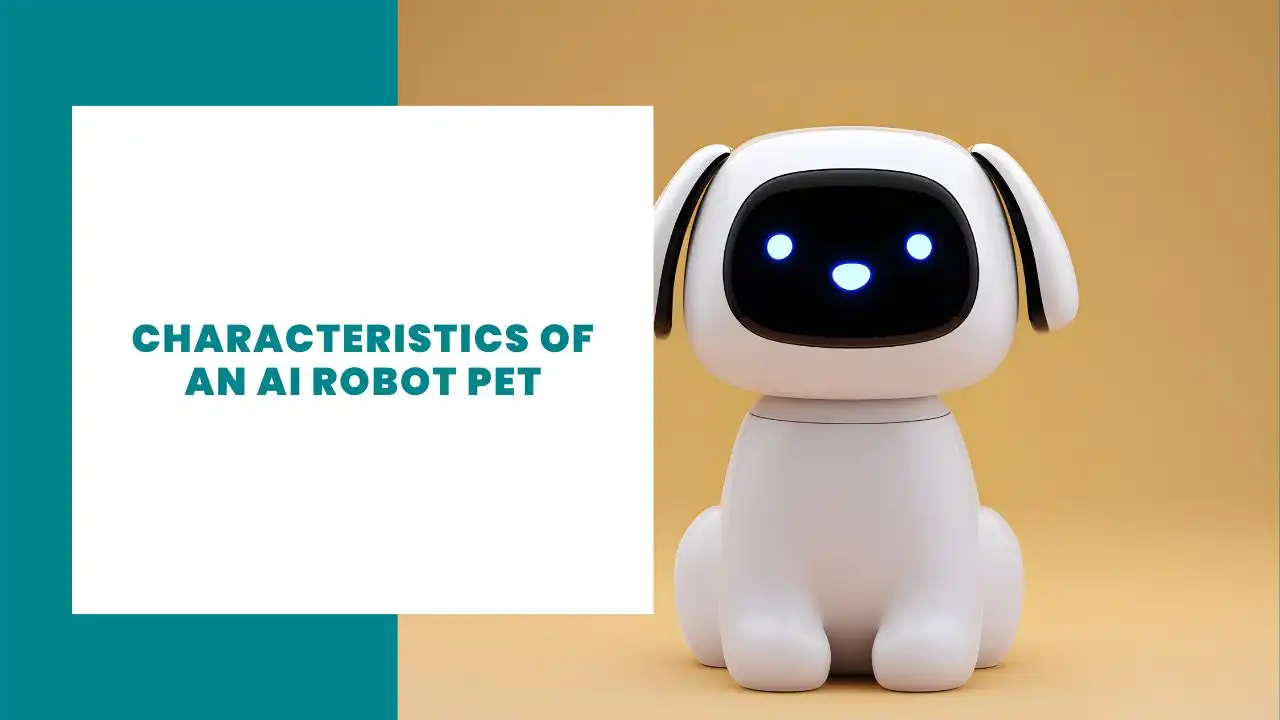
The idea of a pet has evolved far beyond traditional living pets. Advances in artificial intelligence and robotics have introduced a new category of companions designed to offer interaction, emotional support, and companionship without the responsibilities of real pet care. An AI robot pet combines robotics, sensors, and advanced AI technology to simulate lifelike behavior, adapt to its owner, and develop a unique personality over time. As the robot market grows in 2025, AI robot pets are becoming part of the family for people seeking emotional companionship in a modern, technology-driven way.
1. Lifelike Interaction Through Sensors and Input
A defining characteristic of an AI robot pet is its ability to interact in a lifelike manner. Using sensors to detect touch, movement, sound, and environmental changes, a robot pet responds to human input much like a real pet would.
This interaction relies on artificial intelligence processes that analyze interaction data in real time. Gestures like a pat on the head, voice commands, or changes in tone are interpreted to trigger appropriate behaviors. Robotic pets such as a robot dog can simulate behaviors like wagging, turning toward a voice, or responding expressively, making the experience feel natural and engaging.
2. Emotional Expression and Emotional AI
Emotional expression is central to what makes an AI robot pet more than a simple machine. Emotional AI allows the robot to display emotional responses through gestures, sounds, and expressive movements.
Advanced emotional engines simulate feelings such as excitement, calmness, or curiosity. Robots like Aibo and models like Moflin use AI emotion systems to offer emotional support and emotional companionship. This ability to show emotions helps users form an emotional connection, which is often cited as one of the key features that separate AI robot pets from basic robotic toys.
3. Ability to Learn and Adapt Over Time
An AI pet robot is designed to adapt to its owner through continuous learning. Using advanced AI and edge computing, the robot processes data locally to improve responsiveness and behavior without relying solely on cloud systems.
Over time, the robot learns preferences, routines, and interaction patterns. This ability to learn allows the AI robot pet to develop unique personality traits, quirks, and behaviors that reflect the way it is treated. The result is a companion robot that feels increasingly personalized rather than pre-programmed.
4. Unique Personality and Personalization Options
Personalization is another essential characteristic of robotic pets. Through customization settings, users can influence how their AI companion behaves, responds, and expresses emotions.
An AI robot pet can develop a unique personality based on interaction style, frequency, and emotional input. Some models allow direct customization through apps, letting users adjust voice, behavior intensity, or responsiveness. This helps the robot adapt to different lifestyles and preferences, whether it is designed to be playful, calm, or more expressive.
5. Emotional Companionship and Support
AI robot pets are often designed to offer emotional support, especially for individuals who cannot keep pets due to allergies, housing restrictions, or lifestyle limitations. Unlike living pets, robotic pets do not require feeding, walking, or extensive pet care.
Despite this, they can still offer emotional companionship through consistent interaction and emotional responses. Companion robots provide comfort, reduce feelings of loneliness, and simulate the presence of a real pet. For many users, this emotional connection is a major reason to choose an AI-powered robot over traditional pets.
6. Advanced Robotics and AI Technology
Behind every AI robot pet is a combination of advanced robotics and artificial intelligence. These systems use advanced technologies such as emotion engines, AI-powered processors, and robotics hardware designed to mimic natural movement.
Robotic dogs and AI robot dogs use motors and joints to replicate realistic motion. Advanced AI models analyze sensor data and voice commands to create smooth, responsive behavior. This use of advanced AI ensures that the robot pet can process data efficiently, respond quickly, and deliver a high-quality user experience.
7. Designed for the Future of Companionship
AI robot pets represent a growing advancement in the future of companionship. As today’s AI benefits continues to evolve, these robotic companions are becoming more capable, expressive, and emotionally intelligent.
Designed to mimic aspects of real pets while avoiding the challenges of pet ownership, AI robotic pets are well suited for modern lifestyles. With ongoing advancement in AI technology, future models will likely develop even more advanced emotional responses, deeper personalization, and stronger emotional bonds with users.
FAQs About AI Robot Pet
What is an AI robot pet?
An AI robot pet is a robotic companion that uses artificial intelligence, sensors, and robotics to simulate the behavior and emotional responses of a real pet.
Can an AI robot pet replace a real pet?
An AI robot pet cannot fully replace living pets, but it can offer companionship and emotional support without the responsibilities of traditional pet care.
How do AI robot pets show emotions?
They use emotional AI systems, gestures, sounds, and expressive movements to simulate emotional expression and emotional responses.
Are AI robot pets suitable for children or seniors?
Yes, many companion robots are designed to be safe and easy to use, making them suitable for children, seniors, and people seeking emotional companionship.
What are popular examples of AI robot pets?
Popular models include robotic dogs like Aibo, emotional companions like Moflin, and newer robots like Loona, which showcase advanced AI and robotics.
Conclusion of 7 Characteristics of an AI Robot Pet
An AI robot pet combines robotics, artificial intelligence, and emotional design to create a new form of companionship. With lifelike interaction, emotional expression, adaptive learning, and personalization, these robotic pets offer meaningful emotional support and companionship. As advanced technologies continue to shape the robot market in 2025 and beyond, AI robot pets are positioned to become an increasingly important part of the future of companionship for people around the world.