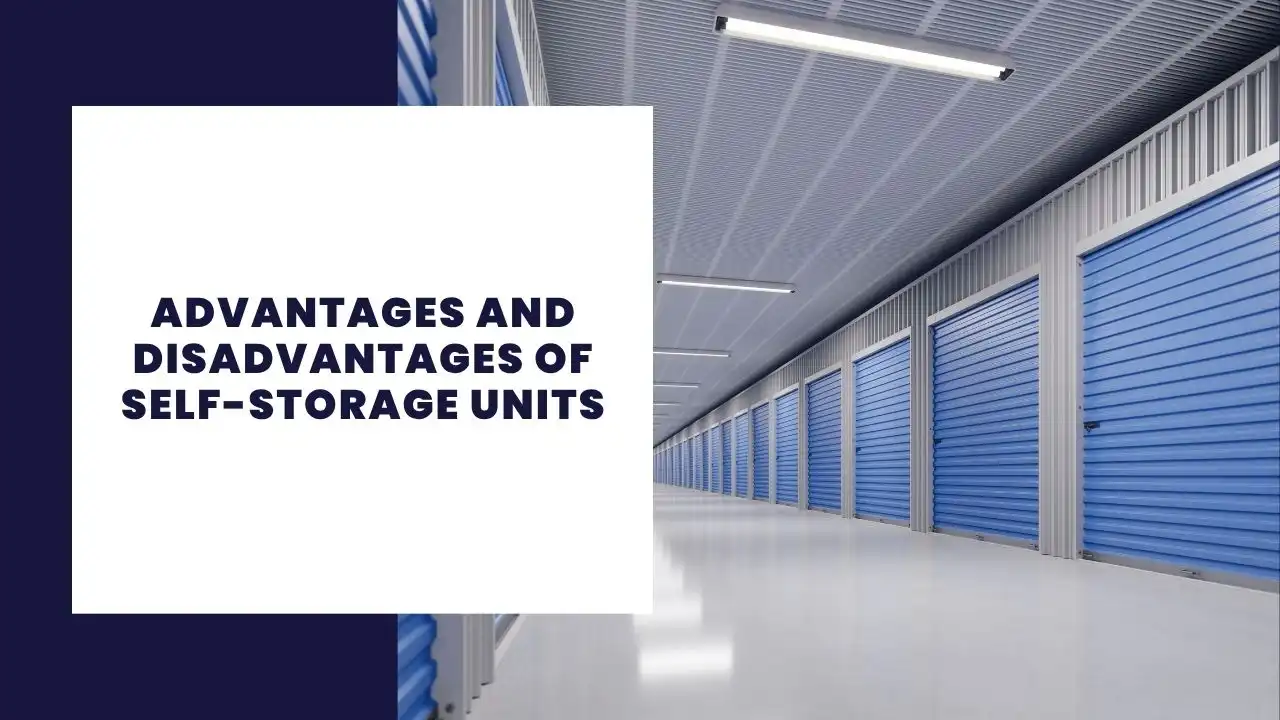
Self-storage units have become increasingly popular as a flexible and convenient solution for individuals and businesses alike. Whether you’re decluttering your home, managing inventory for your business, or in the process of moving, self-storage offers a practical way to store your belongings securely. However, like any service, there are both benefits and drawbacks to consider before renting a unit. Understanding these advantages and disadvantages can help you make an informed decision that best suits your needs.
What is Self-Storage?
Self-storage refers to a service where individuals or companies rent space within a storage facility to keep their belongings safe and accessible. These facilities typically offer a range of unit sizes, from small lockers to large garage-sized spaces, which can be rented on a short-term or long-term basis. Self-storage units are often located conveniently near residential neighborhoods or commercial districts, providing easy access for users. The concept is straightforward: you pack your items, rent a unit, and access your belongings whenever necessary, often with 24/7 availability.
Advantages of Self-Storage
1. Flexibility in Storage Space
One of the primary benefits of self-storage units is the flexibility they offer. Whether you need to store a few boxes during a move or require a large space for business inventory, self-storage facilities provide a variety of unit sizes to match your needs. This flexibility allows you to scale your storage up or down without long-term commitments, making it a cost-effective option for temporary or ongoing storage needs.
2. Cost-Effective Solution
Compared to other storage options like renting a larger home or office space, self-storage units are generally more affordable. You only pay for the space you need, and many facilities offer competitive rates with discounts for longer-term rentals. Additionally, since there are no maintenance costs on your part, such as property upkeep or security, the overall expense remains manageable.
3. Security and Protection
Most self-storage facilities invest heavily in security measures to protect your belongings. Features such as surveillance cameras, gated access, individual locks, and on-site security personnel help deter theft and vandalism. Many units are also climate-controlled, providing protection against extreme weather conditions that could damage sensitive items like electronics or documents.
4. Accessibility and Convenience
Self-storage units are designed for easy access. Many facilities offer 24/7 access, allowing you to retrieve or add items whenever it suits your schedule. This level of convenience is particularly valuable for businesses that need quick access to inventory or individuals who need flexible hours to visit their stored belongings.
5. Decluttering and Organization
Having a dedicated storage space helps in organizing your home or office. By storing infrequently used items in a self-storage unit, you can free up space and reduce clutter. This can lead to a more organized living environment and easier access to everyday essentials.
6. Moving and Transition Support
Self-storage units are incredibly useful during moving processes. They provide a safe place to store belongings temporarily while waiting for your new residence to be ready or while organizing a move. This flexibility can reduce stress and make the transition smoother.
7. Business Storage Solutions
For small businesses, self-storage units are an excellent way to manage inventory, equipment, or documents without the need for expanding office space. This can lead to significant cost savings and improved organization, especially for seasonal businesses or those with fluctuating storage needs.
8. Preservation of Items
Climate-controlled self-storage units help preserve delicate items such as antiques, artwork, or electronics. The controlled environment prevents damage caused by humidity, temperature fluctuations, and pests, ensuring your belongings remain in good condition over time.
9. Privacy and Confidentiality
Using a self-storage unit provides a private space away from your home or office. This is especially beneficial for storing sensitive documents or valuables that you prefer to keep separate from your daily environment, reducing the risk of theft or unauthorized access.
10. Emergency Storage During Disasters
In times of emergencies, such as natural disasters or unforeseen events, self-storage can serve as a safe place to keep essential items temporarily. It provides peace of mind knowing your belongings are protected and accessible when needed most.
11. Environmental Benefits
Many modern self-storage facilities incorporate eco-friendly practices, such as energy-efficient lighting and waste reduction programs. Storing items in a climate-controlled, secure environment can also prolong the lifespan of your belongings, reducing the need for replacement and waste.
12. Assistance with Business Expansion or Downsizing
Self-storage units offer a flexible solution for businesses undergoing expansion or downsizing. They can temporarily store excess inventory during growth phases or help de-clutter when reducing operational space, facilitating smoother transitions.
13. Potential for Additional Services
Some self-storage facilities offer added amenities like packing supplies, moving trucks, and insurance options. These services can streamline the storage process, making it more convenient for users and providing comprehensive solutions in one location.
14. Reduced Need for Large Property Investments
Renting a self-storage unit eliminates the need to purchase or lease large property spaces for storage purposes. This is particularly advantageous for small businesses or individuals with limited budgets, as it minimizes upfront investment and ongoing maintenance costs.
Disadvantages of Self-Storage
1. Cost Over Time
While initially affordable, the cumulative cost of renting a storage unit can add up over months or years. If you’re storing items long-term, the expenses may surpass what you’d pay for alternative solutions, such as expanding your home or office.
2. Limited Access During Business Hours
Some facilities restrict access to certain hours, which can be inconvenient if you need frequent or last-minute access to your belongings. This limitation may disrupt your schedule or workflow, especially if you need urgent access outside of permitted times.
3. Risk of Security Breaches
Despite security measures, no storage facility is entirely immune to theft or vandalism. Unauthorized access, hacking of security systems, or internal staff misconduct can pose risks to your stored possessions.
4. Potential for Damage or Loss
Items stored in self-storage units are vulnerable to damage from environmental factors like humidity, pests, or temperature fluctuations, especially if the unit is not climate-controlled. Additionally, accidents or mishandling during access can result in damage or loss.
5. Additional Costs for Insurance
Many storage facilities require or recommend insurance coverage for stored items, which can increase your overall expenses. Without proper coverage, you risk losing valuable or irreplaceable belongings in case of theft or damage.
6. Limited Space for Large or Bulky Items
While units come in various sizes, extremely large or bulky items may not fit comfortably or may require specialized units. This can limit the types of belongings you can store and may necessitate additional arrangements.
7. Environmental Impact
Despite eco-friendly initiatives, the operation of large storage facilities consumes energy and resources, contributing to environmental concerns. Additionally, if not properly managed, excess packaging and waste can result from storing items.
8. Potential for Over-reliance
Relying heavily on self-storage can lead to clutter in your home or office once items are retrieved or after the storage period ends. It might also result in unnecessary expenses for items that could be downsized or eliminated.
9. No Personal Supervision
Self-storage units are typically unattended, meaning there is no direct supervision of your belongings. This can be a concern if you have valuable or sensitive items that require constant oversight.
10. Moving and Transportation Costs
Transporting items to and from the storage facility can incur additional costs, especially if you need moving trucks or professional movers. These costs can add up and should be factored into your overall budget.
11. Contractual Obligations
Many storage facilities require contractual agreements that specify rental periods, fees, and policies. Breaking a lease prematurely may incur penalties, and understanding all terms is essential to avoid unexpected costs.
12. Limited Personalization
Unlike storing items at home or in a dedicated business space, self-storage units are standardized and lack personalization options. This can make organizing or customizing the space difficult, especially for specific storage needs.
13. Possible Accessibility Issues
If the facility experiences technical problems, power outages, or maintenance issues, access to your belongings could be temporarily restricted. Such disruptions can cause inconvenience, especially if you rely heavily on regular access.
14. Storage Fees for Unused Items
Sometimes, stored items become obsolete or unnecessary over time. Paying ongoing fees for unused belongings can be an inefficient use of resources, highlighting the importance of periodically evaluating your storage needs.
Comparison Table of the Pros and of Self-Storage Units
| Advantages | Disadvantages |
|---|---|
| Flexible storage options | Potential long-term costs |
| Cost-effective compared to property lease | Limited access hours |
| Enhanced security measures | Security breaches possible |
| Convenient and accessible | Environmental impact |
| Helps declutter and organize | Damage or loss risk |
| Supports moving and transitional needs | Additional insurance costs |
| Suitable for business storage | Limited space for large or bulky items |
| Preservation of delicate items | Environmental concerns from energy use |
| Privacy and confidentiality | Over-reliance leading to unnecessary costs |
| Emergency storage during crises | No personal supervision |
| Eco-friendly practices in some facilities | Moving and transportation expenses |
| Facilitates business expansion or downsizing | Contractual obligations |
| Offers additional services (packing, etc.) | Limited personalization |
| Eliminates need for large property investments | Possible accessibility issues |