Video doorbells have become increasingly popular in recent years, transforming the way homeowners monitor and secure their properties. These devices offer a modern twist on traditional doorbells by integrating advanced technology such as video recording, motion detection, and remote access. While they promise enhanced security and convenience, they also come with certain drawbacks. Understanding both the benefits and limitations of video doorbells can help homeowners make informed decisions about whether this technology is right for their homes.
What is a Video Doorbell
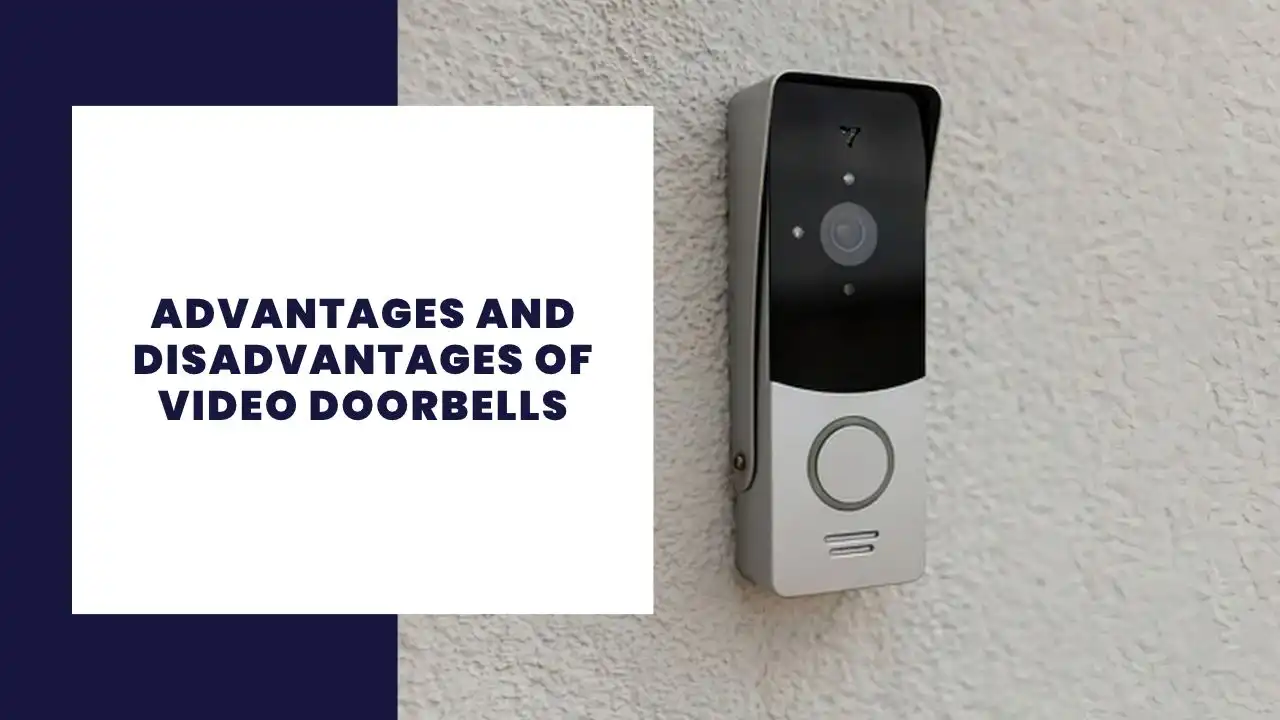
A video doorbell is a smart device installed at the entrance of a property that combines a traditional doorbell with a camera and often a microphone and speaker. When someone approaches or presses the doorbell button, the device activates, capturing live video footage and audio. Users can monitor their door from anywhere via a smartphone app, receive alerts about visitors or movement, and communicate with visitors remotely. These features provide a layer of security and convenience that traditional doorbells cannot offer.
Advantages of Video Doorbells
1. Enhanced Security and Surveillance
One of the primary benefits of video doorbells is the significant boost in home security. They enable homeowners to see who is at their door in real-time, even when they are not at home. Many devices record footage continuously or when motion is detected, creating a record of visitors or potential intruders. This footage can be useful for law enforcement or insurance claims in case of theft or vandalism.
2. Remote Access and Monitoring
With a smartphone or tablet, homeowners can access their video doorbell feed from anywhere in the world. This means you can check who is at your door while at work, on vacation, or running errands. The ability to monitor your property remotely adds peace of mind and helps prevent burglaries or package thefts.
3. Two-Way Audio Communication
Most video doorbells come equipped with microphones and speakers, allowing for two-way communication. This feature enables homeowners to speak with visitors without opening the door, which can be useful for instructing delivery personnel where to leave packages or deter unwanted visitors.
4. Deterrence of Crime
The visible presence of a video doorbell can act as a deterrent to potential burglars or vandals. Knowing that their actions are being recorded and monitored can discourage criminal activity around your property. Some models even emit audible warnings when motion is detected, further discouraging unwanted visitors.
5. Convenience and Integration
Video doorbells can be integrated with other smart home devices, such as security systems, smart locks, and lighting. This integration enhances home automation and allows for seamless control over various security features. Additionally, they simplify daily routines by alerting homeowners to visitors or delivery personnel automatically.
6. Easy Installation
Most video doorbells are designed for straightforward installation. They often come with simple mounting hardware and can be installed without the need for professional help. This makes upgrading your home security more accessible and affordable.
7. Recording and Sharing Footage
Many devices offer cloud storage options or local storage for recorded footage. This feature allows homeowners to review past events or share clips with friends, family, or authorities if needed. The ability to keep a record of activity enhances security and accountability.
8. Integration with Voice Assistants
Popular smart home ecosystems like Amazon Alexa and Google Assistant often support video doorbells. This integration allows users to view live feeds directly on smart displays or control their devices through voice commands, adding convenience to daily routines.
9. Detection of Motion and Visitors
Video doorbells typically come with motion sensors that alert homeowners when movement is detected near the door. This proactive feature ensures you are promptly notified of any activity outside your home, even if no one presses the doorbell button.
10. Increased Property Value
Installing a modern video doorbell can enhance the perceived security and technology profile of a home, potentially increasing its market value. Homebuyers often see smart security devices as desirable features.
11. Customizable Settings
Many video doorbells allow users to customize motion zones, alert sensitivity, and notification preferences. This flexibility helps tailor the device’s operation to specific needs, reducing false alarms and improving overall effectiveness.
12. Record of Visitors
Having a record of visitors, whether expected or unexpected, can be helpful for security, deliveries, or even disputes with neighbors. The recorded footage provides a reliable account of who was at the door and when.
13. Cost Savings on Security
Over time, a video doorbell can reduce the need for additional security measures or frequent in-person monitoring. This can lead to cost savings and more efficient security management.
14. Ease of Use
Modern video doorbells are designed with user-friendly interfaces, making them accessible even for those who are not tech-savvy. Mobile apps are typically intuitive, allowing quick setup and operation.
Disadvantages of Video Doorbells
1. Privacy Concerns
Recording video footage of visitors and passersby can raise privacy issues, especially if the device captures areas beyond your property. There are also concerns about data security, as footage stored in the cloud could be vulnerable to hacking.
2. Dependence on Internet Connectivity
A stable Wi-Fi connection is essential for optimal performance. Poor or unreliable internet can result in lag, missed alerts, or loss of live video feed. This dependence means that in areas with weak connectivity, the device may not function as intended.
3. Battery Life and Power Issues
Wireless video doorbells rely on batteries or solar power, which require regular charging or replacement. If batteries run out or the device experiences power issues, it may stop recording or alerting, compromising security.
4. False Alerts and Detection Errors
Motion sensors can sometimes be overly sensitive, leading to false alerts caused by passing cars, animals, or weather conditions. These false alarms can become annoying and reduce the overall effectiveness of the device.
5. Cost of Purchase and Subscription Services
High-quality video doorbells can be expensive upfront. Additionally, many require ongoing subscription fees for cloud storage and advanced features, adding to the long-term costs.
6. Potential for Hacking and Security Breaches
Cybersecurity risks are inherent in connected devices. Hackers may attempt to access camera feeds or control the device remotely, posing a security threat. Ensuring proper security measures and updates is essential to mitigate these risks.
7. Privacy for Visitors and Neighbors
Continuous video recording can inadvertently capture neighbors or passersby, raising privacy concerns in your community. Some jurisdictions have regulations about recording public spaces or areas outside your property.
8. Limited Effectiveness in Poor Weather
Adverse weather conditions such as heavy rain, snow, or fog can impair camera visibility and audio quality. This limitation can reduce the device’s effectiveness during certain times of the year or in specific climates.
9. Installation Challenges
While many are designed for DIY installation, some homes may pose challenges due to existing wiring, doorbell placement, or structural issues. Professional installation might be necessary, increasing costs.
10. Legal and Regulatory Issues
Different regions have varying laws about video recording and surveillance. Homeowners need to be aware of local regulations to avoid legal complications related to privacy and recording.
11. Maintenance and Updates
Regular maintenance, firmware updates, and security patches are necessary to keep the device functioning properly and securely. Neglecting these can lead to performance issues or security vulnerabilities.
12. Possible Distraction
Constant notifications or alerts can become distracting, especially if the device is overly sensitive. Managing alert settings is crucial to prevent notification fatigue.
13. Limited Field of View
Some models have a restricted viewing angle, which may not cover the entire entrance area. This limitation can create blind spots that intruders might exploit.
14. Environmental Damage
Exposure to harsh weather conditions can damage outdoor components over time. Proper weatherproofing and maintenance are essential to prolong the device’s lifespan.
Comparison Table of the Pros and Cons of Video Doorbells
| Advantages | Disadvantages |
|---|---|
| Enhanced security and surveillance | Privacy concerns and data security risks |
| Remote access and monitoring | Dependence on reliable internet connectivity |
| Two-way audio communication | Battery life and power issues |
| Crime deterrence | False alerts and detection errors |
| Integration with smart home systems | Cost of device and ongoing subscription fees |
| Easy installation | Installation challenges in certain homes |
| Recording and sharing footage | Potential for hacking and security breaches |
| Compatibility with voice assistants | Privacy concerns for visitors and neighbors |
| Motion detection and alerts | Limited effectiveness in poor weather |
| Increased property value | Maintenance and firmware update requirements |
| Customizable settings | Possible distraction from frequent notifications |
| Record of visitors | Limited field of view in some models |
| Cost savings over traditional security measures | Environmental damage risk |
| User-friendly interfaces | Legal and regulatory considerations |
The Future of Video Doorbells
The evolution of video doorbell technology is poised to continue with advancements in artificial intelligence, machine learning, and integration capabilities. Future models are expected to feature more sophisticated motion detection that can differentiate between humans, animals, and objects, reducing false alarms. Enhanced privacy features, such as local storage options and encrypted data transmission, will likely become standard to address security concerns.
Moreover, as smart home ecosystems become more interconnected, video doorbells will seamlessly integrate with other security devices, lighting, and even household appliances. The incorporation of 4K resolution cameras, wider viewing angles, and better low-light performance will improve image quality regardless of weather or lighting conditions. Additionally, advancements in battery technology and solar power may reduce maintenance needs, making these devices more sustainable and reliable.
Legal and ethical considerations will also shape the future landscape, prompting manufacturers to develop more privacy-conscious solutions.