Smart thermostats have revolutionized the way homeowners manage their heating and cooling systems. With the integration of advanced technology, these devices promise increased energy efficiency, convenience, and cost savings. However, like any innovative technology, they come with their own set of challenges and limitations. Understanding the benefits and drawbacks of smart thermostats can help you make an informed decision about whether they are the right fit for your home.
What Is a Smart Thermostat
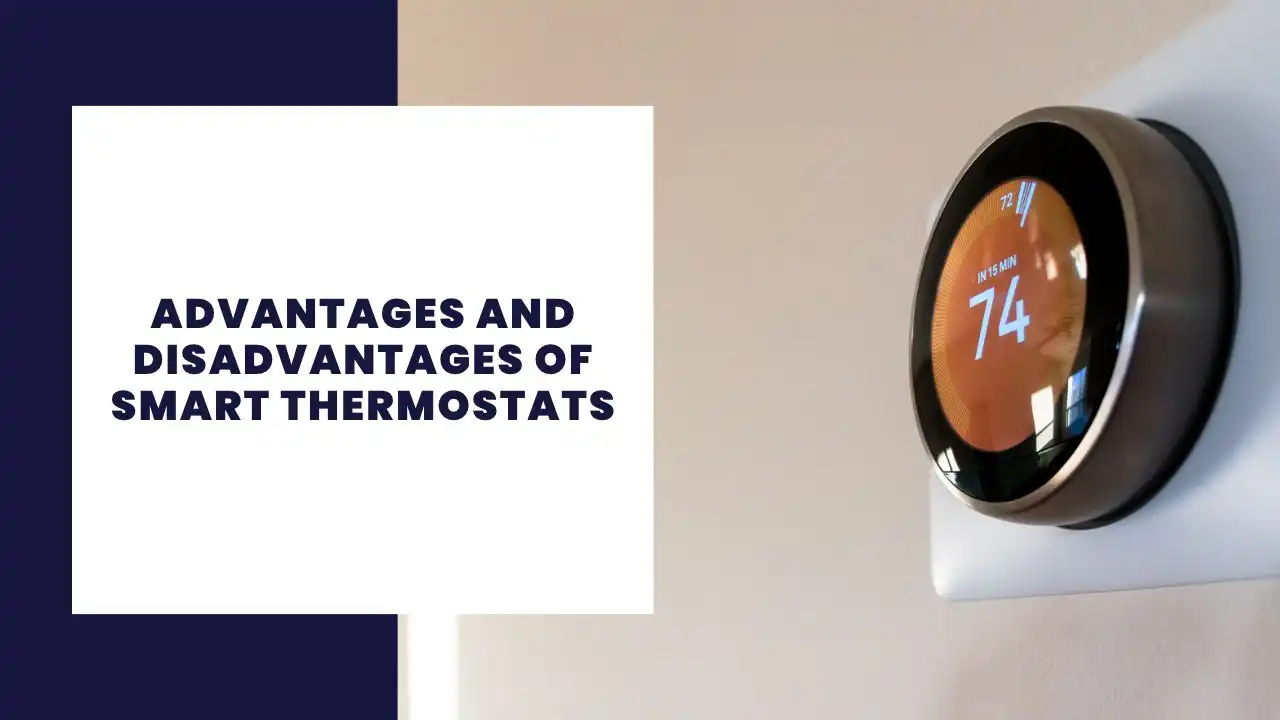
A smart thermostat is a device that allows homeowners to control their heating and cooling systems remotely via a smartphone app or through voice commands. Unlike traditional thermostats, which require manual adjustments, smart thermostats learn your schedule, preferences, and habits over time. They use Wi-Fi connectivity and sensors to optimize temperature settings, leading to potential energy savings and increased comfort.
These devices often come equipped with features such as geofencing, which detects when you’re home or away, and integration with other smart home devices. They can provide detailed energy usage reports and allow you to customize temperature schedules for different times of the day or days of the week. The goal of a smart thermostat is to make home climate control more efficient, intuitive, and adaptable.
Advantages of Smart Thermostats
1. Increased Energy Efficiency
One of the primary benefits of smart thermostats is their ability to significantly reduce energy consumption. By learning your daily routines and adjusting temperatures accordingly, these devices ensure that your heating or cooling system isn’t running unnecessarily. For instance, they can lower the temperature when you’re away or asleep and raise it just before you wake up or return home. This targeted approach helps lower utility bills and reduces your carbon footprint.
2. Remote Control and Convenience
Smart thermostats can be controlled from anywhere using a smartphone app. Whether you’re at work, on vacation, or simply in another room, you can adjust the temperature settings with a few taps. This flexibility ensures that your home environment is always comfortable when you need it to be, without the need to manually adjust a physical thermostat.
3. Learning Capabilities
Many smart thermostats feature learning algorithms that analyze your habits over time. They automatically create optimized schedules based on your preferences, reducing the need for manual adjustments. This intelligent learning process not only enhances comfort but also maximizes energy savings by preventing unnecessary heating or cooling.
4. Integration with Other Smart Devices
Smart thermostats often integrate seamlessly with other smart home devices, such as voice assistants, security systems, and lighting. This interconnectedness allows for a more holistic and automated home environment. For example, you can set your thermostat to adjust when you activate a specific scene or routine, enhancing both convenience and energy management.
5. Cost Savings Over Time
Although the initial investment may be higher than traditional thermostats, the energy savings achieved over time often offset the upfront cost. Reduced utility bills mean you can potentially recover the expense within a few years, making smart thermostats a financially beneficial addition to your home.
6. Enhanced Home Comfort
Smart thermostats provide more precise temperature control, maintaining a consistent and comfortable environment. Features like humidity control and zone heating allow for customization of different areas within your home, ensuring optimal comfort levels throughout.
7. Easy Installation and User Interface
Most smart thermostats are designed for straightforward installation, often compatible with existing wiring. Their user-friendly interfaces make setup and daily operation simple, even for those who are not tech-savvy.
8. Data and Usage Reports
Many models provide detailed reports on energy usage, helping homeowners understand their consumption patterns. This insight can encourage more mindful energy practices and further savings.
9. Environmental Benefits
By optimizing heating and cooling schedules, smart thermostats contribute to reducing greenhouse gas emissions. Their efficiency helps decrease reliance on fossil fuels, supporting environmental sustainability efforts.
10. Customization and Scheduling
Users can create personalized schedules that align with their routines, ensuring the home is always at the desired temperature when needed. This level of customization enhances comfort and energy efficiency simultaneously.
11. Voice Control Capabilities
Integration with voice assistants like Amazon Alexa, Google Assistant, or Apple Siri allows for hands-free control of the thermostat. Simply speaking commands can adjust settings, providing added convenience.
12. Alerts and Maintenance Reminders
Some models offer notifications for filter replacements, system malfunctions, or maintenance needs. Staying on top of these alerts ensures your HVAC system operates efficiently and prolongs its lifespan.
13. Increased Property Value
Having a smart thermostat can be an attractive feature for potential homebuyers, potentially increasing your property’s value and appeal in a competitive real estate market.
14. Compatibility with Solar and Renewable Energy Systems
Certain smart thermostats are compatible with renewable energy setups, helping homeowners optimize energy consumption based on solar production or other green energy sources.
Disadvantages of Smart Thermostats
1. Higher Initial Cost
Smart thermostats generally cost more upfront than traditional models. The price includes the device itself, installation, and potential subscription fees for premium features. This initial investment might be a barrier for some homeowners.
2. Compatibility Issues
Not all HVAC systems are compatible with smart thermostats. Older or specialized systems may require additional wiring or adapters, which can complicate installation or limit options.
3. Privacy and Security Concerns
Since smart thermostats connect to the internet, they are vulnerable to hacking or data breaches. Users must ensure their devices are secure, which may require regular updates and strong passwords.
4. Dependence on Wi-Fi Connectivity
A stable Wi-Fi connection is essential for optimal operation. If your internet goes down, the thermostat might revert to basic functions or become unusable remotely, potentially affecting comfort and energy savings.
5. Learning Curve for Some Users
While many models are user-friendly, some homeowners may find the setup or app interfaces complex initially. This can lead to frustration or underutilization of features.
6. Potential Technical Glitches
Like any electronic device, smart thermostats can experience glitches, software bugs, or connectivity issues. These problems can disrupt their operation and require troubleshooting or customer support.
7. Limited Lifespan and Obsolescence
Technology evolves rapidly, and smart thermostats may become outdated or unsupported over time. This could necessitate replacements or upgrades sooner than traditional thermostats.
8. Energy Savings Not Guaranteed
While designed to save energy, actual savings depend on user behavior, climate, and system compatibility. Poor setup or inconsistent use may diminish potential benefits.
9. Environmental Impact of Manufacturing
The production of smart devices involves resource consumption and electronic waste, which has environmental implications. Some consumers may have concerns about the sustainability of these gadgets.
10. Privacy Concerns Regarding Data Collection
Smart thermostats collect data on your habits and home environment, raising privacy issues. Users should review privacy policies and choose devices with transparent data handling practices.
11. Potential for Over-Reliance on Technology
Relying heavily on automated systems might reduce awareness of manual controls or system issues, leading to neglect of maintenance or troubleshooting when problems arise.
12. Limited Effectiveness in Extreme Climates
In very cold or hot climates, the energy savings from smart thermostats may be less significant, especially if the HVAC system is inefficient or poorly maintained.
13. Possible Disruption During Software Updates
Firmware updates are essential for security and functionality but can sometimes cause temporary disruptions or compatibility issues, requiring user intervention.
14. Additional Subscription Costs
Some advanced features or data services may require ongoing subscriptions, adding to the overall cost and potentially deterring budget-conscious consumers.
Comparison Table of the Pros and of Smart Thermostats
| Advantages | Disadvantages |
|---|---|
| Increased energy efficiency | Higher initial cost |
| Remote control and convenience | Compatibility issues with older HVAC systems |
| Learning capabilities | Privacy and security concerns |
| Integration with other smart devices | Dependence on Wi-Fi connectivity |
| Cost savings over time | Learning curve for some users |
| Enhanced home comfort | Potential technical glitches |
| Easy installation and user-friendly interface | Limited lifespan and possible obsolescence |
| Data and usage reports | Energy savings not guaranteed |
| Environmental benefits | Environmental impact of manufacturing |
| Customization and scheduling | Privacy concerns regarding data collection |
| Voice control capabilities | Over-reliance on technology |
| Alerts and maintenance reminders | Limited effectiveness in extreme climates |
| Increased property value | Disruption during software updates |
| Compatibility with renewable energy systems | Additional subscription costs |
The Future of Smart Thermostats
The evolution of smart thermostats is poised to continue with advancements in artificial intelligence, machine learning, and IoT connectivity. Future models are expected to become even more intuitive, capable of predicting user preferences with greater accuracy and adapting to changing environmental conditions seamlessly. Integration with broader smart home ecosystems will deepen, allowing for more comprehensive automation and energy management.
Emerging technologies may also focus on sustainability, utilizing renewable energy sources more effectively and contributing to smart grid management. Enhanced cybersecurity measures will be crucial to address privacy concerns, ensuring user data remains protected. Moreover, as the market matures, the costs are likely to decrease, making smart thermostats accessible to a broader audience.
The development of more eco-friendly manufacturing processes and recyclable components could reduce the environmental footprint of these devices. Overall, the future of smart thermostats looks promising, with innovations aimed at improving efficiency, comfort, and sustainability.
FAQs About Smart Thermostats
1. Are smart thermostats difficult to install?
Most smart thermostats are designed for easy installation and are compatible with standard wiring. Many homeowners can install them themselves with basic tools, but professional installation is recommended if you have an older or complex HVAC system.