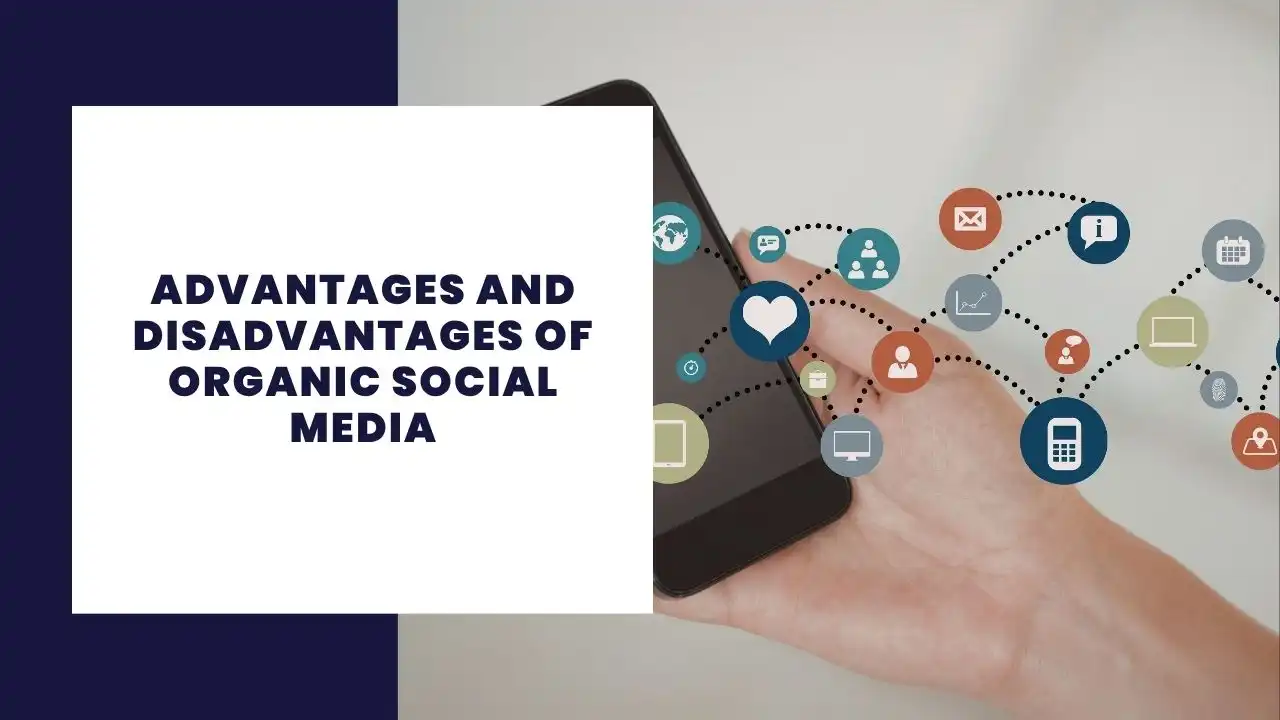
Organic social media has become an essential component of modern marketing strategies. It involves creating and sharing content on social platforms without paid promotion, aiming to engage audiences naturally. While it offers numerous benefits, organic social media also comes with certain limitations that businesses and individuals should understand before investing their time and resources.
What is Organic Social Media?
Organic social media refers to the use of free tools and features provided by social media platforms to build a community, share content, and engage with followers. Unlike paid social media advertising, organic social media relies on authentic interactions, word-of-mouth, and content that resonates with the audience to grow reach and influence.
This approach often includes posting updates, responding to comments, joining conversations, and nurturing relationships without the direct use of advertisements or sponsored posts. Businesses and creators utilize organic social media to establish brand identity, foster loyalty, and communicate directly with their audience.
Advantages of Organic Social Media
1. Cost-Effective Marketing Strategy
One of the most significant advantages of organic social media is that it does not require a financial investment for content distribution. Brands can reach their audience without spending money on ads, making it an ideal option for startups and small businesses with limited budgets.
2. Builds Authentic Relationships
Organic social media encourages genuine engagement between brands and their followers. By responding to comments, sharing user-generated content, and participating in conversations, brands can build trust and foster long-term loyalty.
3. Enhances Brand Awareness
Regular posting and interaction increase visibility on social platforms. Over time, this consistent presence helps improve brand recognition and establishes a recognizable voice and style that audiences can connect with.
4. Encourages Community Building
Organic content often attracts like-minded individuals, helping brands create communities around shared interests or values. These communities can become powerful advocates who promote the brand voluntarily.
5. Provides Valuable Customer Insights
Engaging organically allows brands to gather feedback and monitor customer sentiment directly. This insight can inform product development, marketing strategies, and customer service improvements.
6. Supports Long-Term Growth
While paid campaigns may offer quick results, organic growth tends to be more sustainable. Building a loyal following takes time, but the relationships formed through organic efforts often yield lasting benefits.
7. Improves SEO and Website Traffic
Sharing content organically can drive traffic to websites and improve search engine rankings. Social signals from organic engagement are increasingly considered by search engines in their algorithms.
Disadvantages of Organic Social Media
1. Limited Reach Without Paid Promotion
Organic posts often reach only a small portion of a brand’s followers due to social media algorithms. Without boosting posts, content may not be seen by a broader audience, limiting growth potential.
2. Time-Consuming Effort
Maintaining an active organic social media presence requires consistent effort in content creation, scheduling, monitoring, and engaging. This can be resource-intensive, especially for small teams.
3. Slow Results and Growth
Organic social media strategies typically take longer to show measurable results compared to paid advertising. Building a loyal following and increasing engagement can be a gradual process.
4. Difficulty Measuring ROI
Tracking the return on investment for organic social media can be challenging. Metrics like likes and comments don’t always translate directly to sales or conversions, making it harder to justify the time spent.
5. Algorithm Dependency
Social media platforms frequently update their algorithms, affecting how organic content is prioritized in users’ feeds. This unpredictability can impact the visibility and effectiveness of organic posts.
6. Limited Targeting Capabilities
Organic social media lacks the precise targeting options available in paid campaigns. Brands cannot easily tailor their content to specific demographics or interests beyond their existing followers.
7. Potential for Negative Feedback
Open engagement on social platforms means brands may encounter negative comments or criticism publicly. Handling such feedback requires tact and can sometimes harm reputation if not managed well.
Comparison Table of the Pros and Cons of Organic Social Media
| Advantages | Disadvantages |
|---|---|
| Cost-effective | Limited reach without promotion |
| Builds authentic relationships | Time-consuming |
| Enhances brand awareness | Slow results |
| Encourages community building | Difficult ROI measurement |
| Provides customer insights | Algorithm dependency |
| Supports long-term growth | Limited targeting capability |
| Improves SEO and website traffic | Risk of negative feedback |
The Future of Organic Social Media
Organic social media will continue to be a cornerstone of digital marketing despite the rise of paid advertising. As audiences increasingly seek authenticity and meaningful connections, brands that invest in genuine engagement will thrive. Platforms are also evolving to support creators and businesses with new features that enhance organic reach, such as Stories, Reels, and Live videos.
However, the challenge of algorithm changes and content saturation means that organic social media strategies must become more creative and data-driven. Personalization, storytelling, and community-driven content will likely dominate future organic efforts.
Brands that balance organic social media with strategic paid promotions will be best positioned to maximize reach, engagement, and ROI in the years ahead.
FAQs About Organic Social Media
Q1: Can organic social media replace paid advertising?
Organic social media is valuable for building relationships and brand awareness but often cannot replace paid advertising’s reach and targeting capabilities. A combination of both is usually most effective.
Q2: How often should I post on organic social media?
Consistency is key. Posting frequency varies by platform and audience but generally ranges from daily to several times a week to maintain engagement without overwhelming followers.
Q3: Is organic social media suitable for all types of businesses?
Yes, but its effectiveness depends on the industry, target audience, and resources available. Businesses with strong community appeal or storytelling potential often benefit the most.
Q4: How do I measure success in organic social media?
Metrics such as engagement rates, follower growth, website traffic from social channels, and customer feedback help assess organic social media success.
Q5: What are some best practices for organic social media?
Focus on authentic content, engage actively with your audience, use relevant hashtags, post consistently, and monitor platform trends to stay relevant.
Conclusion of Advantages and Disadvantages of Organic Social Media
Organic social media offers a powerful way to build authentic relationships, enhance brand awareness, and foster community without direct advertising costs. Its advantages make it an attractive option for businesses seeking sustainable growth and meaningful engagement. However, the limitations of reach, time investment, and algorithm dependency mean that organic social media should be approached with realistic expectations.
Balancing organic efforts with strategic paid promotions can help overcome some disadvantages, ensuring a comprehensive social media presence. Ultimately, understanding both the strengths and weaknesses of organic social media enables brands to craft smarter, more effective marketing strategies that resonate with their audiences in the long term.