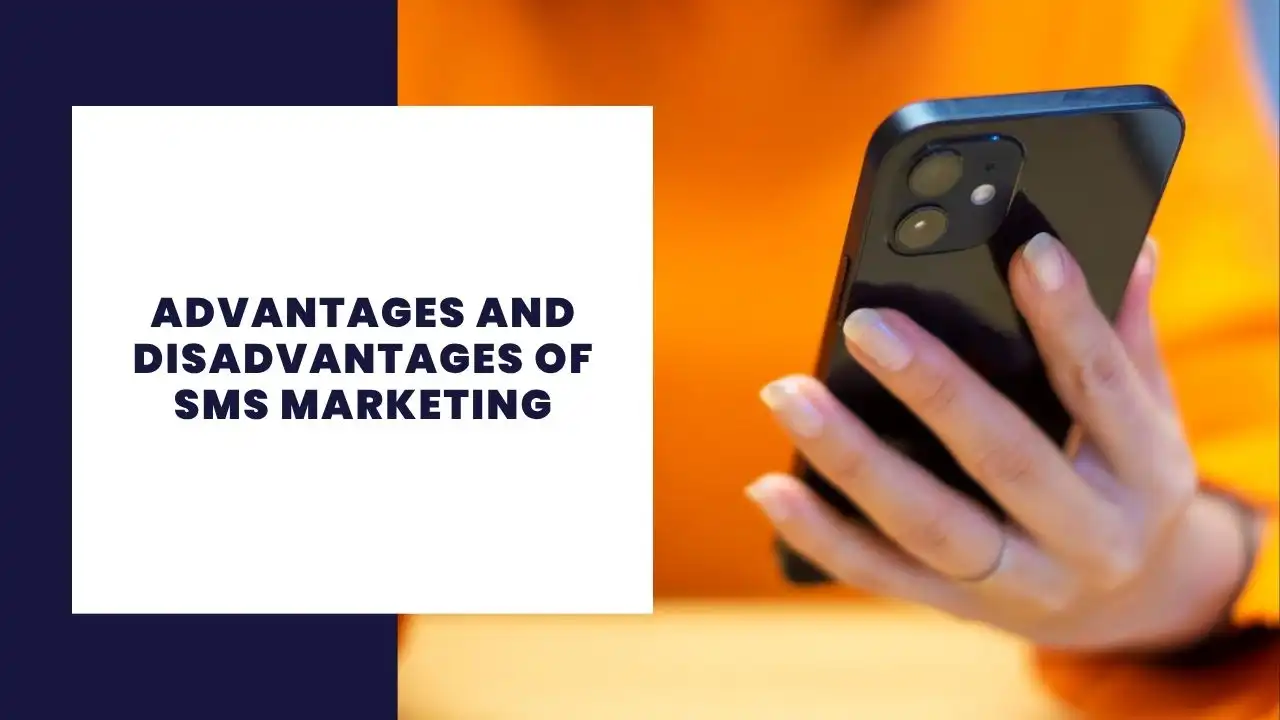
SMS marketing has become an integral tool for businesses looking to connect directly with their audience. Its simplicity, immediacy, and high engagement rates make it an attractive choice for marketers across various industries. However, like any marketing channel, SMS marketing comes with its own set of challenges and limitations. Understanding both the benefits and drawbacks can help businesses craft more effective campaigns and avoid common pitfalls.
What is SMS Marketing
SMS marketing refers to the practice of sending promotional messages or alerts to customers via text messages on their mobile phones. These messages usually contain offers, updates, reminders, or calls to action intended to engage recipients and encourage immediate responses. Unlike email marketing or social media advertising, SMS marketing leverages the ubiquity of mobile phones and the high open rates of text messages, making it a powerful communication channel.
Businesses use SMS marketing to deliver time-sensitive information, personalized offers, appointment reminders, or customer service notifications. The messages are typically concise, limited to 160 characters, which forces marketers to be clear and direct. SMS marketing campaigns can be automated or manually sent, and are often integrated with customer relationship management (CRM) systems to target specific audience segments.
Advantages of SMS Marketing
1. High Open Rates
Text messages boast an open rate of approximately 98%, significantly higher than email marketing. Most recipients read SMS within minutes of receiving them, ensuring that the message reaches the audience quickly and effectively. This immediacy is crucial for time-sensitive promotions or alerts.
2. Direct and Personal Communication
SMS marketing allows brands to communicate directly with customers through their personal devices. This direct channel fosters a sense of intimacy and personalization, which can boost customer engagement and loyalty. Personalized messages based on consumer behavior or preferences increase the likelihood of positive responses.
3. Cost-Effective Marketing Channel
Compared to traditional advertising methods like print or TV ads, SMS marketing is relatively inexpensive. Sending bulk messages incurs minimal costs, making it accessible for businesses of all sizes. Additionally, the return on investment (ROI) from SMS campaigns tends to be high due to its effectiveness.
4. Quick and Easy to Implement
Setting up an SMS marketing campaign is straightforward and fast. Many platforms offer user-friendly interfaces that allow businesses to schedule, automate, and monitor campaigns without needing extensive technical knowledge. This agility enables marketers to respond quickly to market trends or customer needs.
5. High Engagement and Response Rates
Because SMS messages are concise and appear directly on a user’s phone, they tend to receive quicker responses than emails or social media posts. This high engagement makes SMS ideal for promotions, surveys, and customer feedback collection.
6. Wide Reach
With mobile phone penetration rates continuing to rise globally, SMS marketing can potentially reach a vast audience. Unlike internet-dependent channels, SMS only requires a cellular signal, allowing brands to connect with customers even in low-connectivity areas.
7. Enhances Multichannel Marketing Strategies
SMS marketing can complement other channels such as email marketing, social media, and in-app notifications. Integrating SMS into a broader marketing strategy can reinforce messages and improve overall campaign effectiveness.
Disadvantages of SMS Marketing
1. Character Limit Constraints
SMS messages are limited to 160 characters, which restricts the amount of information that can be conveyed in a single message. Marketers must craft concise and compelling messages, sometimes sacrificing detail or clarity.
2. Risk of Being Perceived as Spam
If not managed carefully, SMS marketing can annoy customers, especially if messages are sent too frequently or without proper consent. This can lead to negative brand perceptions or customers opting out of receiving future messages.
3. Limited Multimedia Capability
Standard SMS messages only support text, so marketers cannot include images, videos, or rich media without switching to MMS or other messaging platforms. This limits creative options for campaigns and may reduce their impact.
4. Regulatory Compliance
SMS marketing is subject to strict regulations in many countries, including requirements for obtaining explicit consent and providing easy opt-out options. Failure to comply can result in hefty fines and damage to brand reputation.
5. Potential for High Unsubscribe Rates
Because SMS is a very personal medium, recipients may quickly unsubscribe if they find messages irrelevant or intrusive. Maintaining a targeted and valuable message strategy is essential to minimize churn.
6. No Detailed Analytics Compared to Digital Channels
While some SMS platforms provide basic metrics like delivery and open rates, they often lack the depth of analytics available in digital marketing channels such as web tracking or detailed user behavior analysis.
7. Dependence on Mobile Network Availability
SMS delivery relies on mobile networks, which can sometimes be unreliable due to coverage issues or technical problems. Delays or failures in message delivery can affect the effectiveness of campaigns.
Comparison Table of the Pros and Cons of SMS Marketing
| Advantages | Disadvantages |
|---|---|
| High open and engagement rates | Limited to 160 characters |
| Direct and personal communication | Risk of being perceived as spam |
| Cost-effective and budget-friendly | Limited multimedia capabilities |
| Quick and easy to implement | Regulatory compliance requirements |
| Wide reach including low-connectivity areas | Potential for high unsubscribe rates |
| Enhances multichannel marketing | Less detailed analytics compared to digital channels |
| Immediate delivery and response | Dependent on mobile network availability |
The Future of SMS Marketing
The future of SMS marketing looks promising, especially as mobile device usage continues to grow worldwide. Innovations such as Rich Communication Services (RCS) are poised to enhance SMS by enabling richer media, interactive features, and improved user experiences. Integration with AI and machine learning will allow marketers to deliver hyper-personalized messages based on real-time data, improving targeting and engagement.
Additionally, SMS marketing will likely become more integrated with omnichannel strategies, blending seamlessly with apps, social media, and email to create cohesive customer journeys. Privacy concerns and regulatory frameworks will continue to evolve, prompting marketers to prioritize transparency, consent, and data protection.
Despite the rise of new messaging platforms and social media, SMS remains a reliable and effective channel due to its simplicity and ubiquity. Businesses that adapt to technological advancements and consumer preferences will continue to benefit from SMS marketing’s direct connection with customers.
FAQs About SMS Marketing
1. Is SMS marketing legal?
Yes, SMS marketing is legal but regulated. Marketers must obtain explicit consent from recipients and provide clear opt-out options to comply with laws like the TCPA in the US or GDPR in Europe.
2. How often should businesses send SMS marketing messages?
Frequency depends on the audience and campaign goals. Generally, sending 2-4 messages per month is considered acceptable, but monitoring engagement and feedback is key to avoid overwhelming customers.
3. Can SMS marketing be personalized?
Absolutely. Many SMS platforms allow for personalization based on customer data such as name, purchase history, or location, which can improve engagement rates.
4. What types of businesses benefit most from SMS marketing?
Retail, hospitality, healthcare, and service industries often see strong results from SMS marketing due to its immediacy and directness, but almost any business with a mobile-savvy audience can benefit.
5. How can businesses measure the success of SMS marketing campaigns?
Success can be measured through metrics such as delivery rates, open rates, click-through rates (for messages with links), conversion rates, and opt-out rates.
Conclusion of Advantages and Disadvantages of SMS Marketing
SMS marketing offers a unique blend of immediacy, directness, and cost-effectiveness that few other channels can match. Its high open rates and personal nature make it a powerful tool for engaging customers quickly and efficiently. However, the limitations imposed by character counts, potential spam perceptions, and regulatory challenges require marketers to approach SMS campaigns thoughtfully and strategically.
By balancing these advantages and disadvantages, businesses can harness SMS marketing to enhance their overall marketing efforts, improve customer relationships, and drive meaningful results. As technology evolves, SMS marketing will continue to adapt, offering new opportunities for innovation and connection in the mobile-first world.