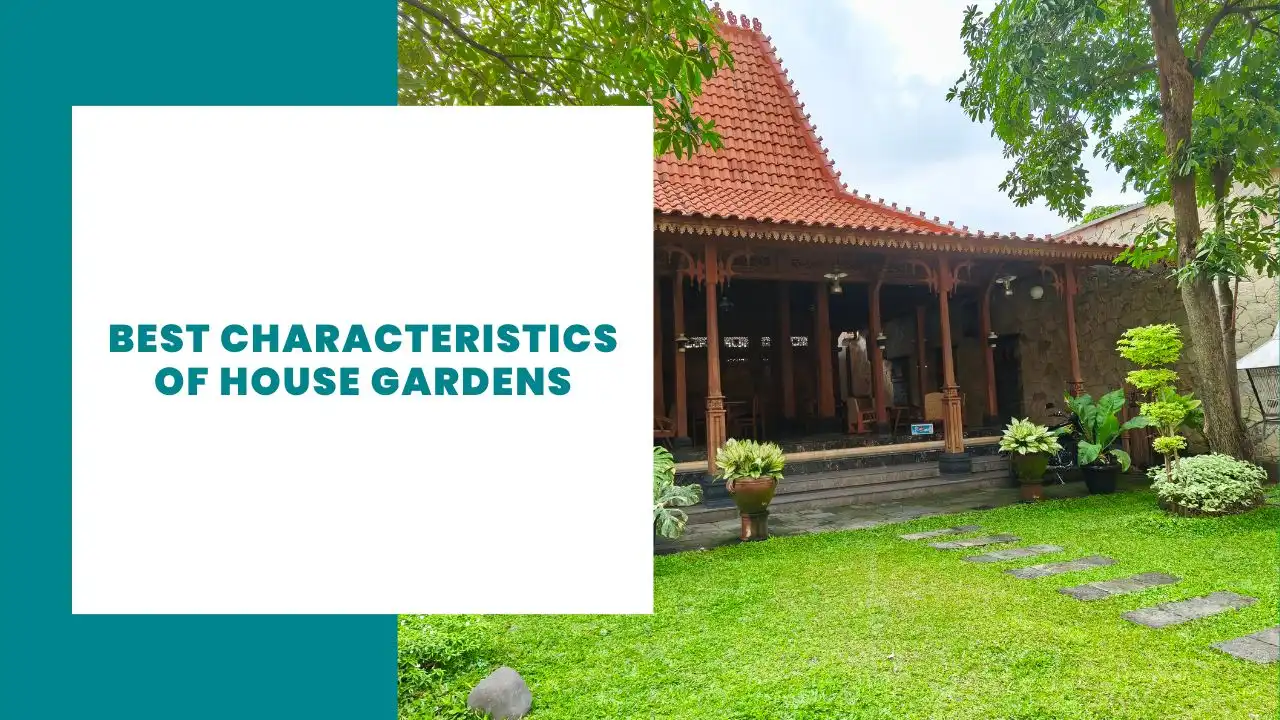
A house garden is more than a collection of plants. It is a designed landscape that reflects a homeowner’s personality, supports relaxation, and adds long-term value to a property. Whether the space is expansive or one of many small spaces, a well-designed garden blends planting, hardscape, and architectural features into a setting that feels intentional and welcoming. The following characteristics define what makes a house garden truly exceptional.
1. Thoughtful Garden Design That Feels Cohesive
Great garden design begins with a clear plan. A cohesive layout brings together landscape design, planting beds, pathways, and focal points so the space feels unified rather than scattered. Whether you prefer symmetrical designs with straight lines or a more organic style with curved lines, the structure should feel deliberate.
A landscape architect often starts by helping homeowners visualize the end result. Design elements such as repetition, similar colors, and consistent materials help the garden feel more cohesive. When lines intersect in a balanced way and different areas connect naturally, the garden creates a sense of order and calm.
This thoughtful approach ensures that every bed, patio, and walkway contributes to a larger vision instead of competing for attention.
2. Balanced Use of Space and Visual Weight
The most inviting gardens use space wisely. In large yards, the challenge is preventing emptiness. In small spaces, the goal is avoiding clutter. Successful designs distribute visual weight by mixing tall plants with ground cover, pairing trees for shade with shrubs, and layering flower beds with perennials and deciduous plants.
A balanced layout also considers scale. Large leaves can dominate a bed, while fine texture and smaller foliage soften the overall effect. When individual plants are arranged to complement one another, the garden feels spacious without being bare and full without feeling crowded.
By carefully placing raised beds, garden beds, and hardscape features, the garden becomes both functional and visually pleasing.
3. Strong Focal Points and Architectural Features
Every memorable garden has a focal point that draws the eye. This could be a fountain, birdbath, arbor, trellis, or a striking shrub with pyramidal form. A well-chosen focal point anchors the design and gives visitors something to orient themselves around.
Architectural elements also add structure. Fences, hedges, and planters create boundaries, while patios, seats, and entryway features turn the garden into a usable outdoor room. When these objects are placed with intention, they make the garden feel purposeful and welcoming rather than decorative alone.
The best designs use focal points to create a sense of movement through the space, guiding visitors along a pathway or toward a hub where different areas meet.
4. Layered Texture and Planting Variety
Texture describes how plants look and feel in relation to one another. A garden rich in texture uses fine texture, large leaves, textured plants, and varied foliage to add depth. Mixing flowers and foliage ensures interest throughout the seasons, even when blooms fade.
Layering is key. Ground cover fills empty soil, shrubs provide mid-level structure, and taller plants or trees add height. Perennials return year after year, while a vegetable garden introduces practical planting into the overall design.
This variety does more than please the eye. It creates a dynamic landscape that evolves, offering something new in each season while maintaining a consistent framework.
5. Harmonious Use of Color
Color is one of the most powerful design tools in any garden. Understanding the color wheel helps homeowners choose between warm color schemes that energize a space and cool color palettes that promote calm. Similar colors create unity, while strategic contrast can highlight a focal point or pathway.
A successful garden uses color to guide emotion and movement. Warm colors near a patio or seat make the area feel inviting, while cool colors in a quiet corner enhance relaxation. Flowers and foliage work together to refine the overall look, ensuring that no single hue overwhelms the landscape.
When color is applied thoughtfully, the garden becomes both expressive and balanced.
6. Functional Layout With Defined Areas
A well-designed garden supports how people actually use the space. Different areas might include a vegetable garden, a flower bed near the entryway, a lawn for open movement, and a shaded corner with trees for shade. Walkways and pathways connect these zones so movement feels natural.
Hardscape elements such as patios, fences, and raised beds define purpose without interrupting flow. A rectangular bed might suit an orderly layout, while curved lines soften transitions between spaces. When design elements work together, the garden feels intuitive rather than forced.
This functional structure allows the garden to serve as a place for gathering, relaxation, and daily enjoyment.
7. Personalization and Long-Term Value
The best house gardens reflect the homeowner. From custom planters and unique garden beds to personalized seating and decorative objects, every choice can make the space feel distinct. This personalization turns a landscape into a living extension of the home.
At the same time, a refined garden adds tangible value. A well-maintained lawn, cohesive planting, and attractive architectural features increase curb appeal and property worth. By selecting must-have elements that balance beauty with practicality, homeowners invest in both daily enjoyment and long-term return.
A garden that feels personal yet professionally designed becomes a lasting asset rather than a temporary project.
FAQs About 7 Best Characteristics of House Gardens
What makes a house garden feel cohesive?
A cohesive garden uses consistent design elements such as repetition, similar colors, and balanced layouts. When beds, pathways, and focal points align with an overall plan, the space feels unified.
How can I improve a garden in small spaces?
Focus on vertical planting, raised beds, and multi-purpose features like planters that double as seating. Layering plants and choosing fine texture foliage can make small spaces feel larger.
Why is texture important in garden design?
Texture adds depth and contrast. Combining large leaves with fine texture plants and varied foliage creates visual interest throughout the year.
How do focal points enhance a garden?
Focal points provide structure and guide the eye. Features like a fountain, arbor, or birdbath create a central element that organizes the surrounding design.
Does a well-designed garden really add value to a home?
Yes. Thoughtful landscape design, healthy planting, and attractive hardscape features improve curb appeal and increase overall property value.
Conclusion of 7 Best Characteristics of House Gardens
The best house gardens combine thoughtful design, balanced use of space, strong focal points, rich texture, harmonious color, functional layout, and personal expression. When these characteristics come together, a garden becomes more than an outdoor area—it becomes a refined, welcoming landscape that supports daily life and long-term value. With careful planning and attention to detail, any homeowner can create a garden that feels cohesive, calming, and uniquely their own.