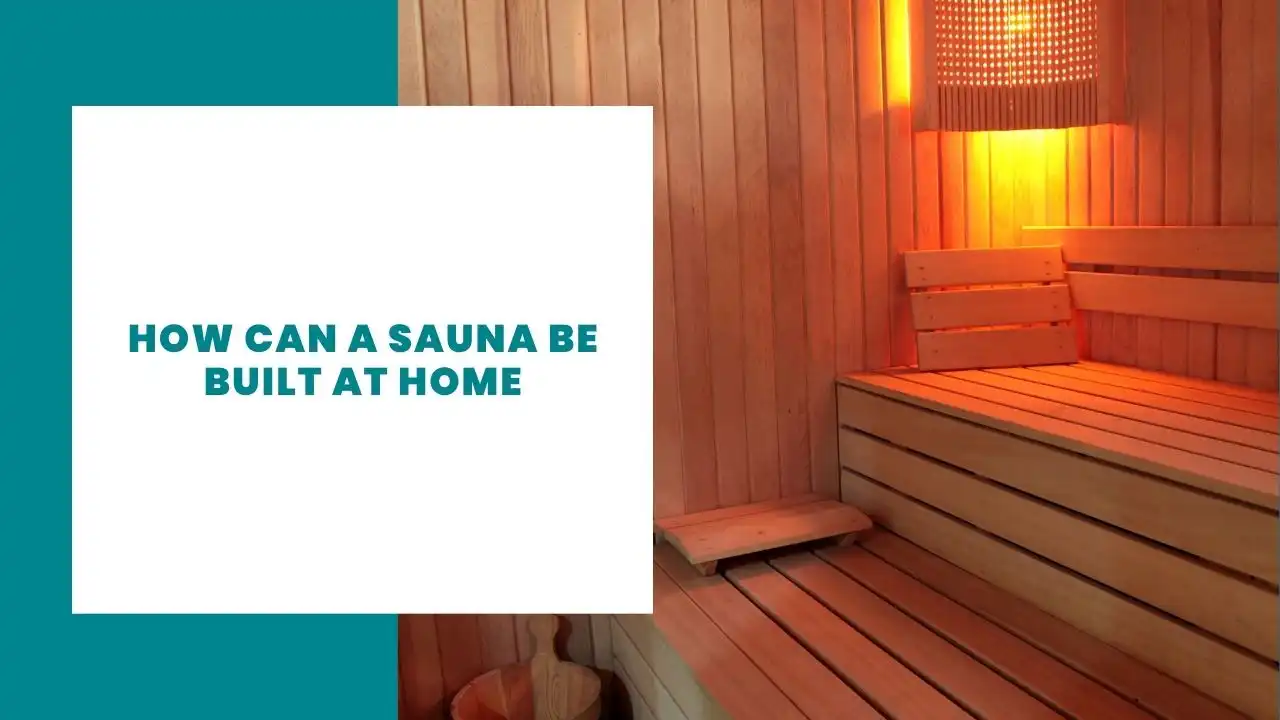
Building a sauna at home is a practical way to bring a traditional wellness ritual into your daily life. A well-planned home sauna offers consistent heat, privacy, and long-term value, whether it is installed indoors or outdoors. From understanding Finnish roots in Finland to choosing the right heater and insulation, a successful sauna build depends on careful design, proper materials, and attention to airflow and heat retention. With the right step-by-step guide, it is possible to build your own sauna that delivers a true traditional sauna experience.
1. Understanding the Different Types of Saunas
Before starting a sauna construction project, it is essential to choose the type of sauna that best fits your space, budget, and lifestyle. Different types of saunas vary in heat source, structure, and installation requirements.
A dry sauna, often associated with the Finnish sauna tradition, uses high heat and low humidity. This type of sauna can be powered by a wood-burning stove or an electric heater. A modern electric sauna offers precise temperature control through a thermostat, making it energy-efficient and easy to use.
Outdoor saunas, including the popular barrel sauna, are installed outside the sauna area of the home and provide flexibility in size and design. Indoor sauna installations are built inside an existing room, such as a basement or bathroom, and require careful insulation and vapor barrier planning.
Choosing the type of sauna early helps define sauna design, ventilation needs, and building regulations for indoors or outdoors.
2. Planning Your Sauna Design and Location
A successful sauna at home starts with thoughtful planning. The location determines whether the sauna build will be indoors or outdoors and influences heat loss, ventilation, and installation complexity.
An indoor sauna must be placed in a dry, well-ventilated area with easy access to electrical connections or chimney routing. Outdoor saunas require a solid foundation and protection from weather, but they offer greater flexibility in size and layout.
Sauna design should consider bench placement, including a lower bench and upper bench, to allow different heat levels inside the sauna. Windows and doors should be well-sealed and designed to be cool to the touch. Easy access and safety are essential, especially near the heater.
3. Choosing the Right Materials for Sauna Construction
The materials used in sauna construction directly affect durability, heat retention, and comfort. Sauna wood is typically softwood that resists heat and moisture.
Cedar is one of the most popular sauna wood choices due to its natural resistance to vapor and its pleasant aroma. Spruce is another traditional option used in Finland for Finnish sauna builds. Tongue and groove boards are commonly used for walls and ceilings to keep the heat inside and reduce heat loss.
A proper sauna floor should handle heat and moisture without becoming slippery. Many sauna floors are tiled or made from sealed concrete with wooden duckboards for comfort.
4. Insulation, Vapor Barrier, and Heat Control
Insulation is one of the most critical elements in a diy sauna build. Proper insulation helps keep the heat inside, improves energy efficiency, and ensures a consistent sauna experience.
Walls and ceilings should be insulated with foil-faced insulation to reflect heat back into the sauna. A vapor barrier prevents vapor from escaping into surrounding walls, reducing moisture damage and heat loss. Uninsulated areas can lead to uneven temperatures and higher energy use.
The goal is to insulate effectively while allowing controlled airflow through ventilation channels.
5. Selecting a Heater: Electric or Wood-Burning
The sauna heater is the heart of any sauna build. Choosing between an electric heater and a wood-burning stove depends on personal preference and location.
An electric sauna heater is common for indoor sauna installations. It provides precise temperature control, requires less maintenance, and is easy to clean. Installation usually involves hiring a certified electrician to ensure safe wiring and proper operation.
A wood-burning stove or wood burning stove delivers a traditional sauna experience with intense high heat and natural ambiance. This option is more common in outdoor saunas and requires proper venting, a chimney, and compliance with building regulations. A wood-burning stove or electric heater both use sauna rocks to distribute heat evenly and create steam when water is added.
6. Ventilation, Airflow, and Safety Considerations
Ventilation is essential to ensure proper sauna use and comfort. A vent near the heater allows fresh air to enter, while an exhaust vent on the opposite wall promotes airflow.
Good ventilation helps regulate heat and moisture, improves air quality, and protects sauna materials. Poor airflow can make a sauna session uncomfortable and reduce the lifespan of the sauna.
Safety considerations include placing the heater at a safe distance from benches, ensuring all surfaces are cool to the touch where possible, and installing proper lighting rated for high heat environments.
7. Step-by-Step Guide to Building a DIY Sauna
A step-by-step sauna build approach helps simplify the process and reduce mistakes.
Start by framing the sauna structure and installing insulation and the vapor barrier. Next, install tongue and groove sauna wood on walls and ceiling. Build the bench structure, including the lower bench and upper seating areas.
Install the sauna heater according to manufacturer instructions, ensuring correct placement near the heater and proper vent connections. Add sauna accessories such as a thermometer, bucket, and ladle. Finish with doors, windows, and final safety checks to ensure proper operation.
This step-by-step guide applies whether you choose a diy home sauna, sauna kits that deliver and assemble, or a fully custom sauna construction.
8. Sauna Accessories and Enhancing the Sauna Experience
Sauna accessories can elevate a simple sauna session into a spa-like ritual. Essential oils such as eucalyptus can be added to water and poured over sauna rocks to enhance vapor and aroma.
Additional accessories include headrests, backrests, and lighting designed for high heat. These small additions improve comfort and contribute to a traditional sauna experience rooted in Finnish culture.
Regular sauna use promotes relaxation and makes a home sauna one of the best sauna investments for wellness.
FAQs About How Can a Sauna Be Built at Home
What is the best type of sauna for a home?
The best sauna depends on space and preferences. A modern electric sauna is ideal for indoor use, while a barrel sauna or wood-burning sauna works well outdoors.
Can I build a sauna without professional help?
A diy sauna project is possible with basic carpentry skills. However, hiring an electrician is recommended for electric heater installation, and professionals may be needed for wood-burning stove venting.
How much heat does a home sauna reach?
Most saunas operate between 150°F and 195°F. High heat levels depend on insulation quality, heater size, and airflow design.
Are sauna kits easier than building from scratch?
Sauna kits are easy to assemble and often include pre-cut materials. They reduce planning time but may offer less flexibility in size and design.
Do I need special permits to build a sauna?
Building regulations vary by location. Outdoor saunas and wood-burning installations often require permits, while small indoor saunas may not.
Conclusion of How Can a Sauna Be Built at Home
Building a sauna at home is a rewarding project that combines traditional Finnish principles with modern design options. By choosing the right type of sauna, selecting quality materials like cedar or spruce, and focusing on insulation, ventilation, and heater selection, it is possible to build a sauna that delivers consistent heat and long-term enjoyment. Whether opting for a diy sauna build, sauna kits, or a custom sauna construction, a well-designed home sauna provides a lasting sauna experience that supports relaxation, wellness, and daily balance.