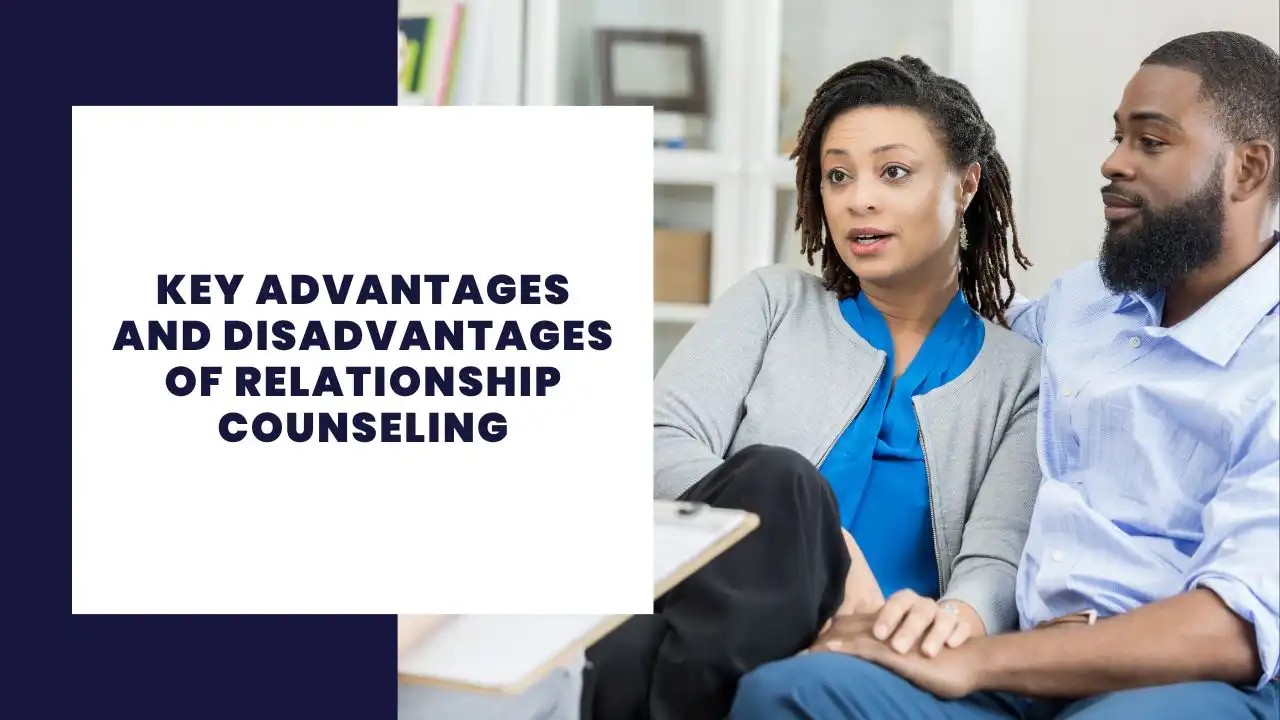
Relationship counseling is often an important step for a couple experiencing conflict, communication problems, emotional distance or a difficult life transition. Couples therapy is designed to support two partners in strengthening trust, improving communication, and resolving issues that may be affecting their couple relationship. While therapy can help many couples, there are also pros and cons that should be considered before committing to counseling sessions.
This article outlines the advantages and disadvantages of relationship counseling, possible challenges, and what couples should reflect on before making the decision.
What is Relationship Counseling
Relationship counseling, sometimes referred to as marriage counseling, couples counseling, or marriage and family therapy, is a type of therapy in which a licensed therapist, marriage counselor, counsellor, or couples therapist helps partners work through conflicts. It is used by couples often dealing with emotional disconnection, infidelity, communication breakdowns, sexual difficulties or long-term relationship patterns.
Relationship counseling sessions can be offered in person or through online counseling and may involve structured exercises, therapeutic techniques, and discussions that encourage openness, self-reflection, and empathy. Because every couple’s needs are different, the therapy process adapts to each partner’s experience, their communication style and the underlying issues that might be causing distress.
Advantages of Relationship Counseling
1. Improved Communication Skills
One of the most common benefits of couples counseling is the development of stronger communication skills. Couples can learn to articulate thoughts and feelings more clearly and listen with empathy and understanding. Improving communication allows partners to avoid unnecessary conflict and gain insight into one another’s emotional world.
2. Support With Conflict Resolution
Therapy sessions help partners resolve conflicts more constructively. Instead of allowing anger or stressors to escalate, counseling provides conflict-resolution strategies that promote healthier dialogue and emotional safety.
3. Greater Emotional Connection
Counseling can help a couple rebuild emotional intimacy or address emotional distance. Working with couples individually and together, a therapist encourages vulnerability, empathy, and deeper connection. This can increase emotional closeness and rebuild trust during a rough patch.
4. Opportunity To Address Underlying Issues
Relationship programs and counselling sessions encourage couples to explore deeper concerns such as unresolved trauma, childhood patterns, or personal insecurities. This allows both partners to uncover underlying issues rather than only focusing on surface-level disagreements.
5. Positive Changes In Relationship Patterns
A counsellor guides the couple toward new patterns that support emotional safety, mutual respect, and healthier interactions. Changing harmful relationship patterns often brings long-term improvements and more positive aspects of daily life.
6. Helps Prevent Separation Or Divorce
Counseling can offer tools that save your marriage, especially when the marriage is in trouble due to serious disagreement, routine fights, or communication breakdowns. Many couples who engage in therapy discover new ways to work together and prevent escalating separation.
7. Better Ability To Manage Stressors
Relationship therapy provides coping strategies that help both partners respond to stressors, including work pressure, parenting responsibilities, or external family issues. Couples often learn to work as a unit and reduce reactive conflict.
Disadvantages of Relationship Counseling
1. Requires A Significant Investment Of Time And Money
Counseling sessions can be expensive and require ongoing attendance. This may become challenging if the couple needs long-term support or if one or both partners feel uncomfortable investing time and finances.
2. One Partner Might Not Fully Participate
Sometimes one partner is less engaged or unwilling to change, which slows down progress. Without mutual effort, counseling almost always becomes more difficult and desired outcomes take longer to reach.
3. Counselors May Be Perceived As Taking Sides
Although a good therapist remains neutral, some partners feel their counsellor or marriage counselors take sides. This perception may create tension instead of helping the couple reach resolution.
4. Emotional Discomfort
Counseling requires vulnerability and the willingness to explore difficult emotions. Facing painful memories, infidelity, sexual dysfunction, or childhood issues can temporarily increase discomfort.
5. Not All Techniques Work For All Couples
There are many therapeutic techniques, and not all will be effective for every couple. Therapy methodology differs, and couples must be open minded while searching for the right choice.
6. Progress May Be Slow
Building new relationship skills takes patience. Couples must engage with the process consistently, which becomes more challenging when they expect immediate change.
7. May Not Save A Relationship
Counseling cannot guarantee that partners stay together. If deeper issues, infidelity or long-term dissatisfaction continue, couples may choose to terminate the relationship.
Comparison Table of the Pros and Cons of Relationship Counseling
| Pros | Cons |
|---|---|
| Better communication | Requires investment of time and money |
| Increased emotional intimacy | Progress may be slow |
| Helps resolve conflicts | Some partners may not participate |
| Prevents separation | Emotional discomfort |
| Encourages personal growth | May not save relationship |
| Encourages empathy | Perception of taking sides |
| Teaches problem-solving | Not all methods fit every couple |
The Future of Relationship Counseling
Relationship counseling continues to evolve through blended therapeutic approaches, greater inclusion, and personalized methods based on individual values. Many couples benefit from online counseling, making sessions more accessible for busy or long-distance relationships.
Future counseling is expected to integrate digital resources, evidence-based programs, and specialized training in trauma, LGBTQ relationships, neurodiversity, and attachment patterns. Research on the effectiveness of couples counseling is also expanding, helping professionals refine therapeutic strategies that help couples adjust to life challenges and unpredictable circumstances.
Relationship counseling may play an even greater role as modern stressors increase and couples seek professional support earlier rather than waiting until marriage is in trouble.
FAQs About Relationship Counseling
1. How does relationship counseling work?
Counseling provides a supportive environment where partners can explore thoughts and feelings with a trained therapist and improve their communication and relationship skills.
2. Can relationship counseling save a marriage?
Therapy can help many couples repair emotional connection and resolve conflicts, but success depends on participation from both partners.
3. What issues can relationship counseling help with?
Relationship counseling can help with communication challenges, infidelity, emotional distance, unresolved conflicts, sexual dysfunction, and stress management.
4. How long do counseling sessions last?
Therapy sessions typically last 45–60 minutes weekly, depending on the therapist’s approach and the couple’s needs.
5. Is online counseling effective?
Online counseling has helped many couples and can be especially helpful when partners live separately, travel, or need flexible scheduling.
Conclusion of Advantages and Disadvantages of Relationship Counseling
Relationship counseling is a powerful tool for improving your relationship when emotional distance, conflict or communication breakdown harm your connection. Couples who engage in counseling can make positive changes, deepen emotional closeness, and develop lifelong communication skills. At the same time, it is important to consider whether therapy is the right choice for your specific issues, the investment of time, and whether both partners are willing to participate.
Like most personal decisions, the pros and cons of couples counseling depend on the couple’s readiness, motivation, and the willingness to explore deeper issues. When thoughtfully approached, counseling can help couples rebuild trust, strengthen connection, and work toward meaningful, positive outcomes.