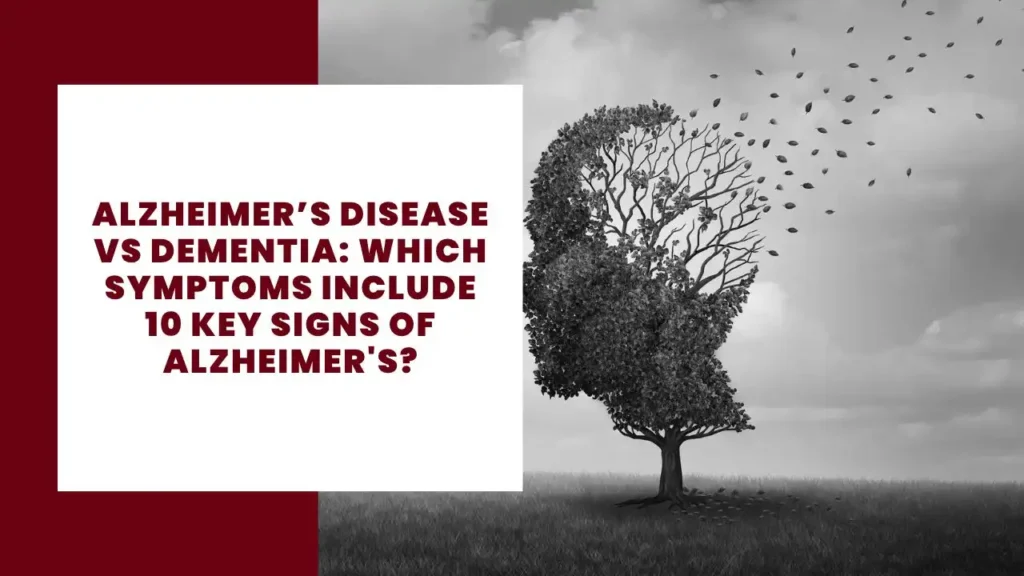
14 Key Advantages and Disadvantages of Age Gap Relationships
Relationships where partners differ significantly in age have always sparked curiosity, debate, and sometimes misunderstanding. While age-gap couples often navigate social judgments, generational differences, and contrasting life experiences, many also find deep emotional fulfillment, shared values, and long-term satisfaction. An age-gap relationship can thrive when both partners understand the dynamics that come with a difference in age, communicate clearly, and maintain mutual respect.
These relationships unfold across different life stages, with each partner bringing unique perspectives shaped by age, experience, and personal growth. Whether the older partner offers stability, or the younger partner brings renewed energy, the quality of the relationship depends on compatibility, shared goals, and the willingness to adapt to changing circumstances. Understanding the pros and cons helps individuals assess how an age difference may impact their romantic relationships.
Written by
- Redaction Team
- Mind, Personal Development
Table of Contents
What is Age Gap Relationships
Age gap relationships refer to romantic relationships where there is a significant age difference between partners. Although there is no official number that defines a “large age gap,” many people consider a five-year age gap or more to be notable. Couples with an age gap may range from partners who are only several years older or younger to those with a substantial age difference of ten, twenty, or even more.
Age-gap relationships often involve partners in different stages of life. One partner may be establishing a career while the other is approaching retirement. The younger partner may be exploring identity or long-term goals, while the older partner may have already developed clear priorities. These generational contrasts influence how couples communicate, manage expectations, and navigate life’s transitions.
Advantages of Age Gap Relationships
1. Enhanced Emotional Maturity
A significant age gap often brings emotional maturity into the relationship. The older partner may have experienced various life challenges and developed patience, resilience, and strong communication habits. This emotional stability can help the younger partner feel grounded and supported, improving relationship satisfaction.
2. Increased Life Experience
The older partner may offer valuable insights due to their broader life experience. Whether it involves career advice, navigating difficult decisions, or managing conflict, the wisdom gained from additional years can help the couple overcome challenges with greater confidence.
3. Complementary Strengths
Age differences in relationships can create complementary strengths. A younger partner may bring creativity, enthusiasm, and openness to new ideas, while the older partner contributes structure and perspective. These qualities often balance each other and create a supportive dynamic.
4. Personal Growth Opportunities
Age-gap relationships often encourage personal growth. A younger partner may become more mature or confident, while the older partner may rediscover interests, hobbies, or passions they had set aside. Both individuals can learn from each other in ways that enrich their life together.
5. Different Life Perspectives
Partners in different life stages often approach problems and ambitions from unique angles. These differences can broaden each partner’s worldview, allowing them to understand challenges and opportunities beyond their own generational lens.
6. Stronger Relationship Intentions
Some age-gap couples enter relationships with a clearer sense of purpose. The older partner may already know what they want in a romantic relationship, helping to reduce uncertainty and create more open communication about long-term goals.
7. Deeper Appreciation for the Relationship
When partners understand the social stigma or challenges associated with a large age gap, they may value the relationship more deeply. Couples often work harder to maintain harmony, ensuring that the partnership stays strong regardless of external pressures.
Disadvantages of Age Gap Relationships
8. Differences in Life Stages
One of the most significant disadvantages of an age-gap relationship is the difference in life stages. While one partner may be eager to start a family, the other might feel ready to slow down. These contrasting priorities can create tension when partners struggle to align their goals.
9. Generational Differences
Age-gap couples often encounter generational differences in communication style, cultural references, and values. Music, social norms, career expectations, and technology habits may vary widely, creating misunderstandings unless both partners remain flexible.
10. Social Stigma and Judgment
Relationships with significant age differences often face public scrutiny. Friends, family, or even strangers may offer unsolicited opinions, which can place emotional strain on the couple. Social stigma stems from assumptions rather than the quality of the relationship itself.
11. Imbalance of Power
A substantial age difference may lead to an unintentional imbalance of power. The older partner might have more financial stability, professional success, or emotional experience, which can influence decision-making. Healthy boundaries and open communication are critical to maintaining mutual respect.
12. Health and Energy Differences
As partners grow older, the gap in health and energy levels may widen. A younger partner may want to travel or pursue active hobbies, while the older partner may prefer a slower pace. These differences require adaptability and empathy from both sides.
13. Conflicting Long-Term Goals
Even when couples share strong emotional bonds, their long-term goals may differ due to age. Plans regarding retirement, career transitions, or caregiving responsibilities can create friction if not openly discussed.
14. Risk of Future Caregiving Responsibilities
If one partner is significantly older, the younger partner may eventually take on a caregiving role. This can affect financial planning, emotional expectations, and long-term commitment. Understanding these responsibilities early on helps couples prepare for the future.
Comparison Table of the Pros and Cons of Age Gap Relationships
| Pros of Age Gap Relationships | Cons of Age Gap Relationships |
|---|---|
| Emotional maturity | Different life stages |
| Greater life experience | Generational differences |
| Complementary strengths | Social stigma |
| Personal growth | Imbalance of power |
| Fresh perspectives | Health and energy differences |
| Clear relationship intentions | Conflicting long-term goals |
| Deep appreciation for relationship | Potential caregiving responsibilities |
The Future of Age Gap Relationships
The future of age-gap relationships is evolving as social norms shift and people become more accepting of nontraditional partnerships. Research suggests that age differences may matter less to younger generations, who prioritize compatibility, emotional maturity, and shared values over strict age expectations. As individuals live longer, healthier lives, large age gaps may become more common, especially among couples who meet through work, shared interests, or online platforms.
Technological advances also reduce the significance of generational divides. Shared digital spaces, communication tools, and global communities make it easier for partners in different age ranges to connect and build meaningful bonds. As long as couples nurture open communication and remain attentive to each other’s needs, relationships with significant age differences can thrive across decades.
FAQs About Age Gap Relationships
A large age gap is not inherently unhealthy. The quality of the relationship depends on emotional maturity, compatibility, and mutual respect, not solely on age.
Many couples with a significant age difference enjoy long-term stability. Longevity depends on shared values, communication, and the ability to navigate life-stage differences.
Common challenges include generational differences, social stigma, health changes, and mismatched long-term goals. Open communication helps reduce these issues.
Age affects life experiences and perspectives, but compatibility also relies on emotional connection, lifestyle choices, and how partners handle conflict.
Maintaining respect, setting clear expectations, discussing long-term goals, and addressing power imbalances openly can strengthen the bond.
Conclusion of Advantages and Disadvantages of Age Gap Relationships
Age-gap relationships can be fulfilling, dynamic, and deeply supportive when both partners understand the complexities that come with a significant age difference. The advantages—such as emotional maturity, life experience, and complementary strengths—offer meaningful opportunities for connection and personal growth. At the same time, the disadvantages highlight important considerations, including life-stage differences, generational gaps, and social pressures.
Ultimately, the success of an age-gap relationship depends on compatibility, shared intentions, and the ability to communicate honestly about future expectations. Couples who approach these challenges with openness and empathy can build strong, loving relationships regardless of age.
More about Mind