
14 Key Advantages and Disadvantages of Being a Fitness Coach
A career as a fitness coach is appealing to many who enjoy living an active lifestyle, working with clients, and helping others achieve their fitness goals. Whether in commercial gyms, private studios, or through online personal training, this profession attracts people who want to combine their passion for fitness with a meaningful career path.
While the fitness industry is growing rapidly and offers many career opportunities, becoming a personal trainer or fitness trainer also comes with challenges. Understanding the pros and cons of this profession is essential for anyone considering whether personal training is the right career choice.
Written by
- Redaction Team
- Professional Career, Professional Development
Table of Contents
What is a Fitness Coach?
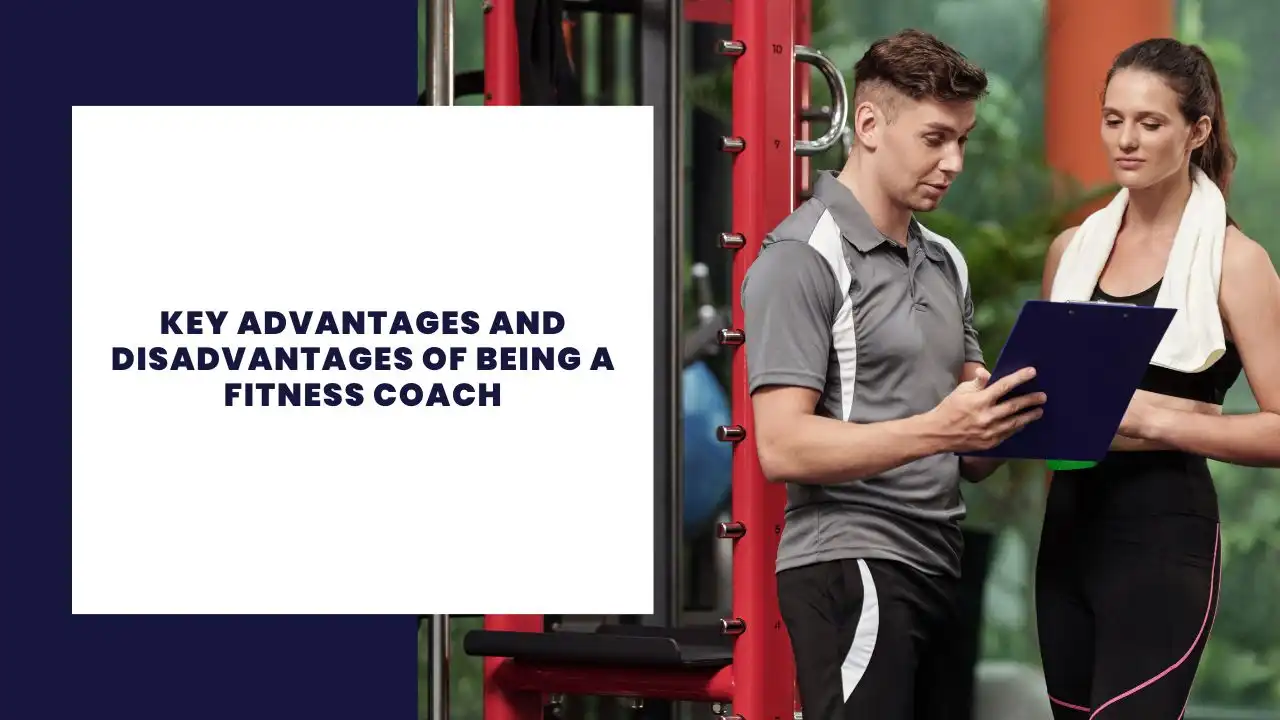
A fitness coach, often called a personal trainer or fitness trainer, is a fitness professional who designs and leads exercise programs tailored to help clients achieve their fitness goals. This may include weight loss, strength and conditioning, athletic training, or improving overall health and wellness.
To become a certified personal trainer, individuals typically need a certification such as NASM CPT, ISSA, NSCA, ACSM, or other accredited programs. These certifications ensure trainers understand kinesiology, exercise science, and aspects of personal training that are essential for safety and effectiveness.
A fitness coach may work in commercial gyms, start a personal training business, or build a client base as a self-employed trainer. Some also specialize in sports medicine, athletic training, or rehabilitation under organizations like NATA. The profession is diverse and can be both rewarding and demanding.
Advantages of Being a Fitness Coach
1. Helping Clients Achieve Their Fitness Goals
One of the most significant advantages of becoming a personal trainer is the satisfaction of helping clients achieve their fitness goals. Watching people transform their fitness level and improve their health creates a rewarding career that goes beyond just exercise programs.
2. Active Lifestyle
A personal trainer enjoys an active lifestyle. Since fitness training involves demonstrating exercises and participating in training sessions, trainers stay fit and maintain a healthy level of physical activity.
3. Flexible Schedule
Fitness trainers often set their own schedules. Unlike many full-time jobs, a self-employed trainer can arrange training sessions based on personal preference and client availability. This flexibility is one of the major pros of the job.
4. Earning Potential
While income can vary, trainers have strong earning potential. Certified personal trainers who build a loyal client base or establish a personal training business can achieve competitive income levels, especially with online personal training options.
5. Wide Career Path Options
The fitness industry offers multiple career paths. Trainers may specialize in strength and conditioning, work as athletic trainers, or even pursue advanced certifications like CSCS or NASM CES to open doors to higher-level opportunities.
6. Job Satisfaction
Many trainers find personal training fulfilling because they make a direct impact on people’s lives. Job satisfaction comes from knowing clients can reach their goals with your support and guidance.
7. Ability to Work in Different Environments
A fitness coach may work in commercial gyms, health clubs, private studios, or online. Trainers also have opportunities to provide fitness training in schools, corporate wellness programs, or through self-employed business ventures.
Disadvantages of Being a Fitness Coach
1. Long and Unpredictable Hours
One major disadvantage of being a personal trainer is managing long and unpredictable schedules. Trainers sometimes face early mornings, late evenings, or weekend training sessions to accommodate client schedules.
2. Income Instability
Earning potential is high, but income can be inconsistent, especially for self-employed trainers. Finding clients and maintaining a steady client base can be challenging at times.
3. Difficult Clients
Working with clients is rewarding, but trainers sometimes face difficult clients who may lack motivation, skip training sessions, or resist following exercise programs. Managing these challenges is part of the job.
4. High Amount of Education and Certification Costs
Getting certified requires both time and financial investment. Programs from organizations like NASM, NSCA, ACSM, or ISSA can be expensive. Continuing education is also necessary to remain competitive in the fitness industry.
5. Physical Demands of the Job
The nature of personal training requires standing for long periods, demonstrating exercises, and maintaining high energy levels. This can be physically demanding, especially during back-to-back training sessions.
6. Limited Benefits for Self-Employed Trainers
While self-employment has significant advantages, self-employed trainers do not receive benefits such as health insurance, retirement plans, or paid time off unless they provide these for themselves.
7. Building and Maintaining a Client Base
A personal training business relies on consistently finding clients. Trainers must market their services, maintain strong relationships, and adapt to the competitive nature of the fitness industry to succeed.
Comparison Table of the Pros and Cons of Being a Fitness Coach
| Advantages of Being a Fitness Coach | Disadvantages of Being a Fitness Coach |
|---|---|
| Helping clients achieve their fitness goals | Long and unpredictable hours |
| Active lifestyle | Income instability |
| Flexible schedule | Difficult clients |
| Earning potential | High education and certification costs |
| Wide career path options | Physically demanding job |
| High job satisfaction | Limited benefits for self-employed trainers |
| Opportunities in different environments | Challenges building a client base |
Career Paths of a Fitness Coach
Personal Trainer
Personal trainers work in commercial gyms or as self-employed trainers, helping clients through one-on-one or group training sessions.
Athletic Trainer
Athletic trainers specialize in sports medicine and athletic training, working with athletes to prevent and recover from injuries. They often collaborate with medical professionals.
Strength and Conditioning Coach
This role focuses on building strength and conditioning programs for athletes or clients who want advanced performance training. Certifications like CSCS are common in this career path.
Online Personal Trainer
With the growth of technology, online personal training is a fast-growing path. Trainers can provide exercise programs virtually, offering flexibility and a larger client reach.
Fitness Instructor or Group Trainer
Some fitness professionals teach group exercise classes such as yoga, HIIT, or spin. This can supplement income and expand career opportunities.
FAQs About Being a Fitness Coach
Popular certifications include NASM CPT, ISSA, NSCA CSCS, and ACSM. Each has its own focus and requirements, but all provide credibility in the fitness industry.
Yes, becoming a personal trainer can be a rewarding career for those who enjoy fitness, helping people, and working with clients. However, it’s important to understand the pros and cons.
Earnings vary depending on experience, location, and client base. Self-employed trainers may earn more but face income instability compared to those in commercial gyms.
Challenges include finding clients, working long and unpredictable hours, managing difficult clients, and handling the physical demands of the job.
While not always required, having a background in kinesiology, athletic training, or sports medicine can enhance credibility and expand career opportunities.
Conclusion of Advantages and Disadvantages of Being a Fitness Coach
The profession of a fitness coach offers both significant advantages and real drawbacks. On the positive side, trainers enjoy flexible schedules, an active lifestyle, and the opportunity to help clients achieve their fitness goals. At the same time, the cons of being a personal trainer include unpredictable hours, the costs of getting certified, and the challenge of maintaining a stable income.
For those passionate about fitness training, becoming a certified personal trainer can lead to a fulfilling and rewarding career. With the right certification, client base, and dedication, this career path offers the chance to build a meaningful role in the fitness industry while inspiring others to reach their goals.
More about Professional Career