
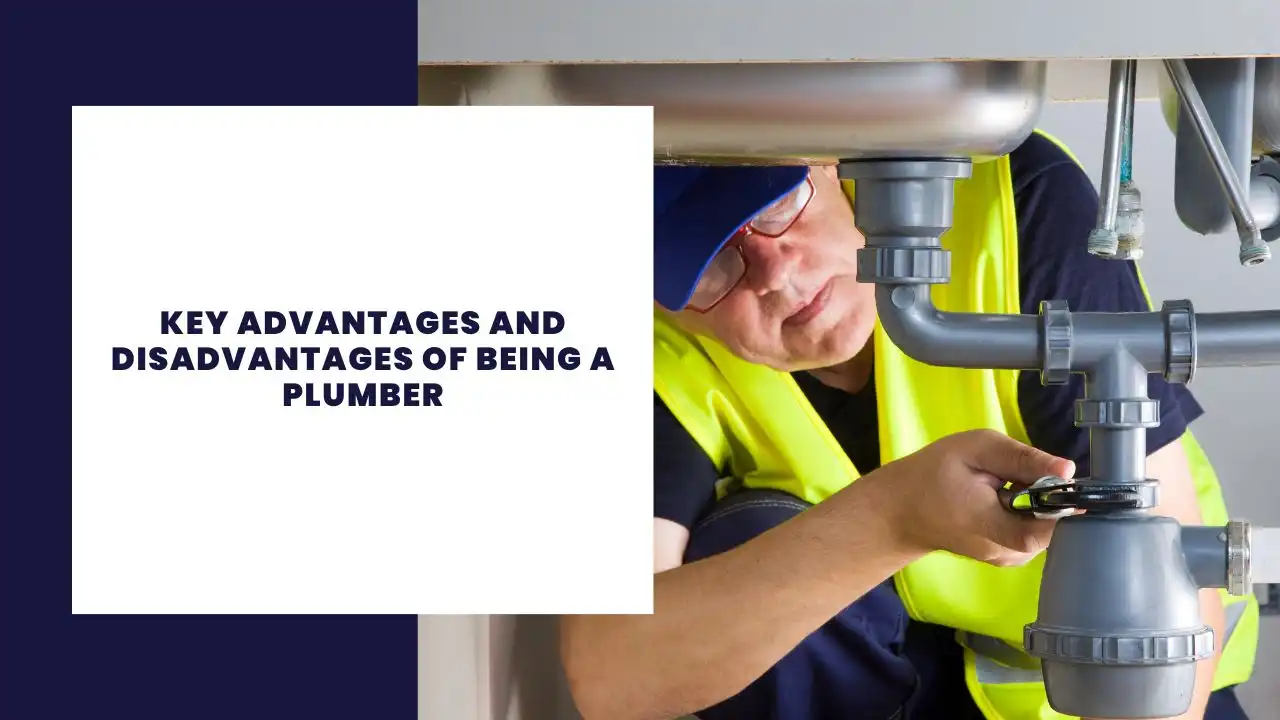
14 Key Advantages and Disadvantages of Being a Plumber
A plumbing career is one of the most respected professions in the skilled trades. Plumbing is an essential service, and plumbers are always in high demand because every home, office, and building depends on functional plumbing systems. For those considering a career in plumbing, it’s important to understand the advantages and disadvantages before committing to this profession. Knowing the pros and cons can help you make an informed decision about whether becoming a plumber is the right path for you.
Written by
- Redaction Team
- Professional Career, Professional Development
Table of Contents
What is Being a Plumber?
A plumber is a skilled tradesperson who installs, maintains, and repairs plumbing systems that carry water, gas, and waste. Working as a plumber requires completing an apprenticeship, gaining hands-on experience, and eventually becoming a licensed plumber.
Plumbers often work on new construction projects, handle plumbing emergencies, and maintain existing plumbing systems. They may be required to lift heavy equipment, work in tight spaces, and sometimes deal with exposure to hazardous materials. The demands of the job make it physically challenging, but at the same time, it offers high earning potential, job security, and opportunities for growth in the plumbing industry.
Advantages of Being a Plumber
1. High Demand and Job Security
One of the biggest pros of being a plumber is the high level of job security. Plumbing is an essential service, and plumbers are always in high demand. No matter the state of the job market, people will need plumbing repairs, new installations, and emergency services. This makes a career as a plumber stable and reliable.
2. Good Income and Earning Potential
The earning potential for plumbers is attractive compared to many other skilled trades. While the median salary may vary depending on location and experience, licensed plumbers can earn a good income. Master plumbers and those starting their own plumbing business can significantly increase their earnings.
3. No College Degree Required
Unlike careers that require a college degree and come with student loan debt, becoming a plumber requires completing an apprenticeship program. Plumber training is a practical way to kickstart your plumbing career without needing to invest in expensive four-year degrees.
4. Opportunities for Advancement
Plumbers can advance their skills and grow in their careers. With experience, plumbers may become a master plumber, work as a supervisor in a plumbing company, or even start their own businesses. The plumbing industry allows ambitious individuals to move up and increase both their income and responsibilities.
5. Variety of Work
Plumbers work on a variety of projects, from new construction to emergency repair jobs. A plumbing career ensures that no two days are exactly the same, which keeps the job interesting and engaging for those who enjoy working with their hands.
6. Independence and Entrepreneurship
One of the significant pros of being a plumber is the ability to start their own businesses. A plumbing business offers freedom, flexibility, and the potential for higher profits. Licensed plumbers who invest in their own plumbing company can enjoy the rewards of being their own boss.
7. Career in the Skilled Trades
For those who enjoy working with their hands and problem-solving, plumbing offers a rewarding career in the skilled trades. Plumbers need to have good communication skills and practical abilities, making the profession suitable for individuals who value hands-on work.
Disadvantages of Being a Plumber
1. Physically Demanding Job
One of the main cons of being a plumber is the physical demands of the job. Plumbing can be physically exhausting, as plumbers often lift heavy objects, work in tight spaces, and handle heavy equipment. Over time, the toll on the body can become significant.
2. Exposure to Hazardous Materials
Plumbers may be exposed to hazardous materials such as sewage, chemicals, and mold. Proper safety practices and protective gear are essential, but the exposure risk remains a concern.
3. Emergency Calls and Unpredictable Hours
Plumbers need to be on call for plumbing emergencies, which means working nights, weekends, and holidays. These unpredictable hours can interfere with personal life and make it difficult to maintain a steady schedule.
4. Investment of Time and Money
Becoming a licensed plumber requires completing an apprenticeship and training, which can take several years. This significant investment of time and money may be discouraging for some individuals considering a career in plumbing.
5. Toll on the Body Over Time
The physical demands of the job, including lifting heavy equipment and working in awkward positions, can take a toll on the body. Back pain, joint issues, and fatigue are common cons of becoming a plumber after years of work.
6. Exposure to Stressful Situations
Plumbing emergencies often require quick decision-making under pressure. Plumbers need to have good problem-solving skills, but the stress of urgent calls and demanding clients can be a challenge.
7. Work Conditions Can Be Unpleasant
Plumbers may be exposed to hazardous environments, such as sewage leaks or broken systems. The unpleasant work conditions are one of the major cons of becoming a plumber that individuals must be prepared for before choosing this career path.
Comparison Table of the Pros and Cons of Being a Plumber
| Pros of Being a Plumber | Cons of Being a Plumber |
|---|---|
| High demand and job security | Physically demanding job |
| Good pay and earning potential | Exposure to hazardous materials |
| No college required, no student loan debt | Emergency calls and irregular hours |
| Opportunities for advancement | Significant investment of time and money |
| Variety of work | Toll on the body over time |
| Ability to start own plumbing business | Stressful situations with clients |
| Career in the skilled trades | Unpleasant work conditions |
Career Paths of a Plumber
Master Plumber
Plumbers can advance their careers by becoming a master plumber, which offers more job opportunities and higher earning potential.
Plumbing Contractor
Starting your own plumbing business is a common path. Licensed plumbers can run their own plumbing company, hire apprentices, and build long-term success.
Specialized Plumbing Roles
Some plumbers may specialize in areas such as new construction, plumbing systems design, or industrial plumbing. Specialization offers unique opportunities within the plumbing industry.
Apprenticeship Trainer
Experienced plumbers can mentor and train apprentices, passing on their knowledge to the next generation of plumbing professionals.
Plumbing Inspector
Plumbers may also pursue a career as a plumbing inspector, ensuring that plumbing systems meet codes and standards.
FAQs About Being a Plumber
Becoming a licensed plumber requires completing an apprenticeship, which typically takes 4 to 5 years, depending on the program and local regulations.
No, plumbers are required to complete training and apprenticeships rather than a college degree, which means they can avoid student loan debt.
The median salary varies by region, but plumbers often earn a good income compared to other skilled trades, with opportunities for higher pay as they advance.
Yes, plumbers are always in high demand due to the essential nature of plumbing systems. Job stability in the plumbing industry is considered strong.
Plumbers need to have good communication, physical strength, problem-solving skills, and the ability to work in tight spaces while handling heavy equipment.
Conclusion of Advantages and Disadvantages of Being a Plumber
Considering a career in plumbing requires a thorough look at both the pros and cons. The pros of being a plumber include job stability, good pay, advancement opportunities, and the chance to work in a respected skilled trade. On the other hand, the cons of becoming a plumber include the physical demands, exposure to hazardous materials, and unpredictable schedules.
For those who enjoy working with their hands, problem-solving, and want a career in the skilled trades that is always in high demand, plumbing offers rewarding job opportunities. Weighing the advantages and disadvantages of being a plumber carefully will help you decide whether this career path is the right fit for your future.
More about Professional Career