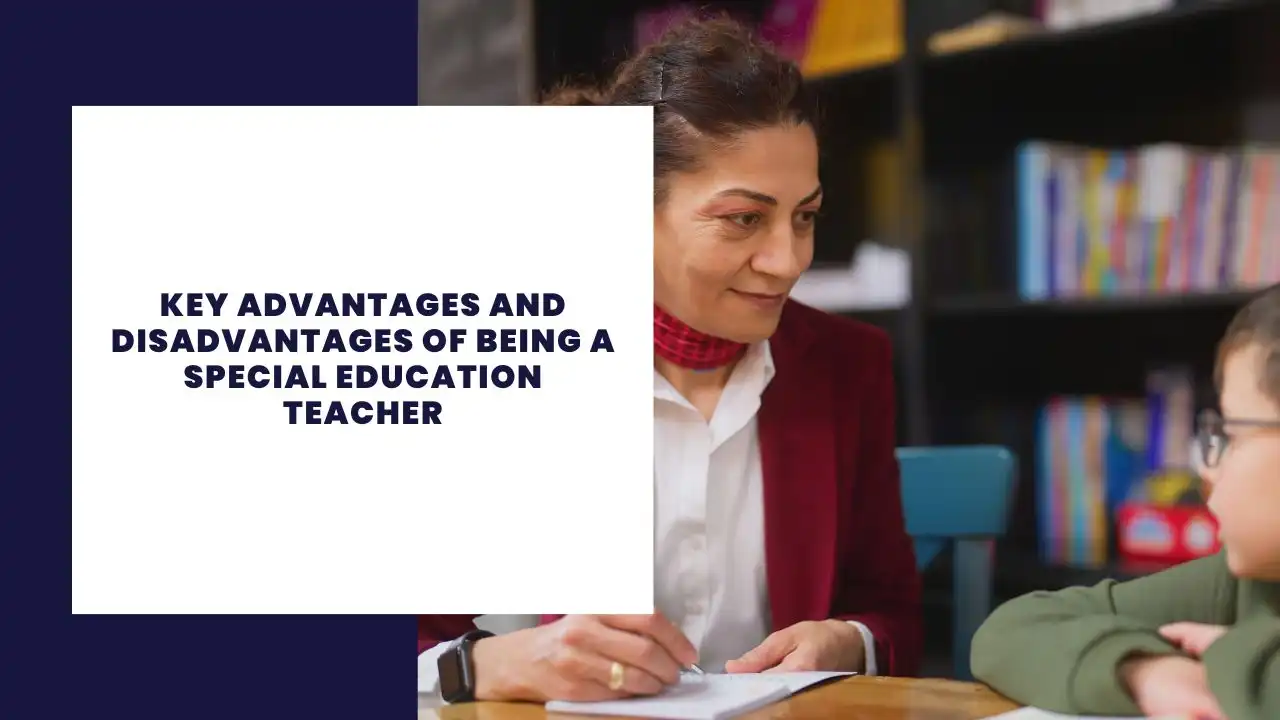
14 Key Advantages and Disadvantages of being a Special Education Teacher
A career in special education is one of the most meaningful paths within the teaching profession. A special education teacher is responsible for supporting students with disabilities and unique learning needs, often through individualized education plans (IEPs) designed to ensure every child has access to a fair and supportive education.
Special education teachers often describe their work as a rewarding career because of the strong impact they have on students’ lives. At the same time, the challenges of being a special education teacher are significant, ranging from administrative demands to high emotional strain. Understanding the pros and cons of this role is important for anyone considering a career in special education.
Written by
- Redaction Team
- Professional Career, Professional Development
Table of Contents
What is a special education teacher?
A special education teacher works with students with special needs in grades K–12. These students may have learning disabilities, emotional disabilities, behavioral disabilities, or severe disabilities that require tailored instruction to meet their unique learning needs.
Special education teachers must develop and implement individualized education plans (IEPs) in collaboration with parents, general education teachers, and other special education staff. They often teach in small groups, within a special education classroom, or alongside classroom teachers in a general education setting.
Many special education teachers also spend time coordinating with professionals such as intervention specialists, school psychologists, and speech therapists to support a child’s development. A special educator must balance lesson planning, assessment, and individualized instruction while helping students succeed academically and socially.
Becoming a special education teacher usually requires a degree in special education, state certification, and sometimes a master’s degree. A student teaching component is often part of an education program to prepare teachers for the challenges of the job.
Advantages of being a special education teacher
1. Making a meaningful difference
A special education teacher means being directly responsible for supporting students with special needs in ways that transform their learning experience. Helping students overcome barriers and celebrate progress makes the job deeply rewarding.
2. Strong job demand
K–12 schools consistently need special education teachers due to the high turnover rate and the growing number of students in special education programs. This demand creates stable job opportunities across different grade levels.
3. Small class sizes
Unlike many general education settings, special education teachers often work with small class sizes or small groups. This allows for more individualized instruction and tailored attention to each child’s needs.
4. Collaborative work environment
Special education teachers work with other professionals, such as general education teachers, intervention specialists, and special education staff. Collaboration provides strong support and helps teachers develop a wide range of skills.
5. Professional growth
Special education teachers learn valuable skills in individualized education, classroom management, and behavioral support. These skills make them effective in many career paths, including intervention, counseling, and educational leadership.
6. Flexible teaching methods
Teaching special education allows teachers to individualize lessons and adapt instruction to meet a range of learning styles. This flexibility makes the classroom dynamic and fosters creativity.
7. A rewarding career
Despite the struggles, many special education teachers describe their work as a fulfilling career. Supporting students’ progress and gaining the trust of parents of special needs children are powerful motivators.
Disadvantages of being a special education teacher
1. High emotional demands
The challenges of being a special education teacher include working with students who have significant struggles, which can be emotionally draining. Teachers must often deal with the struggles of behavioral or emotional disabilities daily.
2. Heavy workload
Special education teachers must manage lesson planning, IEP meetings, parent communications, and progress reports. The amount of paperwork and administrative tasks can make the job overwhelming.
3. High turnover rate
Many special education teachers end their careers earlier than planned due to stress, workload, or burnout. The turnover rate in special education is higher than in many general education roles.
4. Additional educational requirements
To become a special education teacher, individuals often need specialized credentials, a degree in special education, and sometimes master’s degrees. This can make entry into the profession more demanding compared to general teaching roles.
5. Limited resources
Students in special education programs often require tailored instruction and support materials. Many schools, however, lack adequate funding for resources, leaving special educators to find creative ways to meet learning needs.
6. Extra struggles with classroom behavior
Students with disabilities may exhibit behavioral challenges that require patience, adaptability, and strong classroom management skills. Handling these situations is one of the major cons of being a special education teacher.
7. Time management difficulties
Balancing instruction, IEP development, parent meetings, and collaboration with other professionals creates constant time pressures. Many special education teachers don’t have enough hours in a typical day to complete all their duties.
Comparison Table of the Pros and Cons of being a special education teacher
| Advantages | Disadvantages |
|---|---|
| Making a meaningful difference | High emotional demands |
| Strong job demand | Heavy workload |
| Small class sizes | High turnover rate |
| Collaborative work environment | Additional educational requirements |
| Professional growth | Limited resources |
| Flexible teaching methods | Extra struggles with classroom behavior |
| A rewarding career | Time management difficulties |
Career Paths of being a special education teacher
Intervention Specialist
This career path focuses on providing targeted instruction and support for students with specific learning disabilities or behavioral challenges, often outside the general classroom.
Special Education Coordinator
A coordinator oversees special education programs, ensuring compliance with regulations, managing staff, and supporting the implementation of individualized education plans across K–12 schools.
Special Education Teacher (K–12)
Many teachers remain in a classroom setting, working with students in grades K–12. This path allows teachers to focus directly on supporting students’ academic and personal growth.
Higher Education Roles
With experience and advanced degrees, special educators may move into college-level teaching, preparing new teachers through education programs or serving as faculty in graduate degrees related to special education.
Administrative or Leadership Roles
Special educators may pursue leadership positions such as curriculum specialists, principals, or district-level administrators responsible for managing special education staff and programs.
FAQs About being a special education teacher
Most positions require at least a bachelor’s degree in special education and state certification. Some roles, especially at higher grade levels, may require master’s degrees.
The role of a special education teacher includes lesson planning, creating IEPs, teaching in small class settings, supporting students with disabilities, and collaborating with other professionals and parents.
The challenges of being a special education teacher include high emotional demands, administrative paperwork, managing behavioral issues, and limited resources for special education programs.
The Bureau of Labor Statistics reports steady demand for special educators due to rising enrollment in special education programs and a high turnover rate among current teachers.
Yes, special education teachers work with classroom teachers, administrators, and intervention specialists to ensure students with special needs receive comprehensive support.
Conclusion of Advantages and Disadvantages of being a special education teacher
Becoming a special education teacher is both a rewarding career and a demanding one. The advantages include small class sizes, strong demand, collaboration with professionals, and the ability to make a meaningful difference in the lives of children with disabilities.
On the other hand, the cons of being a special education teacher—such as high emotional strain, extra struggles with student behavior, and heavy workloads—are real challenges that must be considered.
For individuals with patience, adaptability, and a passion for supporting students with unique learning needs, the benefits of becoming a special education teacher often outweigh the struggles. It is a career path that requires resilience, but for many, it offers lifelong fulfillment.
More about Professional Career