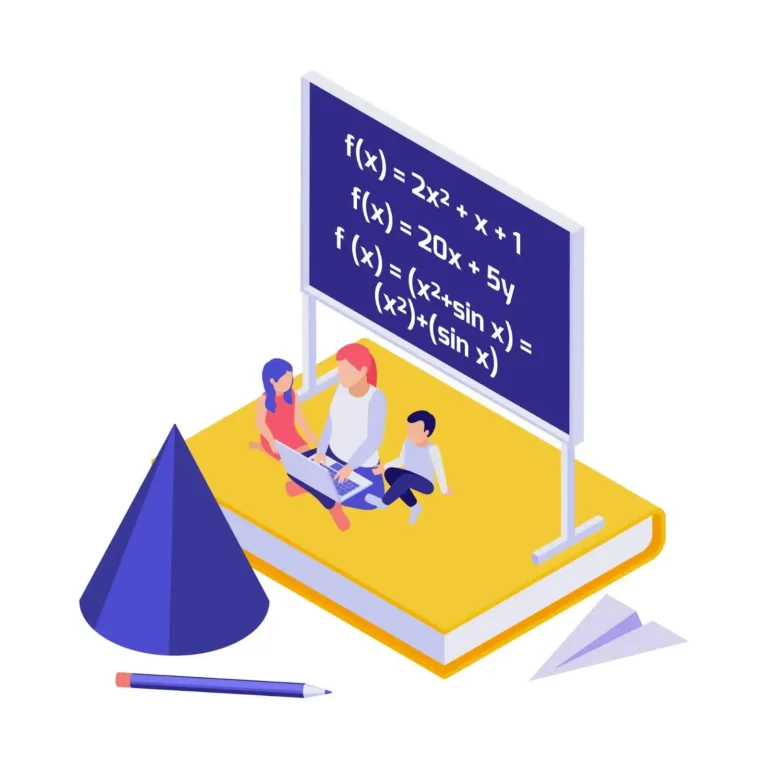
Gone are the days when learning math was confined to textbooks and blackboards. Today, digital tools are reshaping how students engage with mathematical concepts, making learning more accessible, interactive, and practical.
Digital tools in math tutoring bring a unique blend of innovation and convenience, offering personalized learning experiences that were once thought impossible. It opens a world of possibilities for students, who can now access many resources and support beyond the traditional classroom setting.
In this article, we’ll explore how digital tools are changing the face of math tutoring and setting a new standard for educational excellence. This journey through the digital landscape of math education will highlight how technology is a transformative force in teaching and learning math.
The Evolution of Math Tutoring
In the past, math tutoring was often a one-size-fits-all approach, heavily reliant on textbooks and face-to-face sessions. However, technology has revolutionized this model, introducing dynamic and tailored learning experiences.
Today, digital platforms have transformed math tutoring into an interactive and engaging process. These tools offer diverse resources – from online problem-solving sessions to interactive games – making math more relatable and enjoyable for students.
Educators are now equipped with tools that allow them to customize lessons to each student’s pace and style of learning, a stark contrast to the conventional methods.
Innovative Digital Tools and Their Impact on Learning
The landscape of math tutoring has been dramatically enhanced by the introduction of innovative digital tools. These tools are changing how subjects are taught and improving students’ learning experience.
Interactive Software: Programs like dynamic geometry software and algebraic manipulation tools have turned abstract concepts into visual, interactive experiences. This shift from static to emotional learning helps students quickly grasp complex ideas.
Adaptive Learning Platforms: These platforms use algorithms to tailor the learning experience to individual student needs, ensuring each learner receives support and challenges tailored to their level.
Online Resources and Communities: The internet has opened up a world of resources, from instructional videos to online forums where students can receive real-time help. This accessibility has democratized learning, making high-quality math education available to a broader audience.
The impact of these tools is profound. They foster a more engaged and motivated learning environment, where students actively participate in their educational journey.
Challenges and Opportunities in Digital Math Tutoring
Challenges:
Access and Equity: Not all students have equal access to digital devices and high-speed internet, leading to a digital divide in education.
Quality Control: With abundant online resources, ensuring the quality and accuracy of educational content can be challenging.
Adapting to New Technologies: Both educators and students may face a learning curve in effectively utilizing new digital tools.
Opportunities:
Personalized Learning: Digital tools offer unprecedented opportunities for customized education, catering to individual learning styles and paces.
Global Collaboration: Online platforms enable students to connect and collaborate with peers and tutors worldwide, broadening their educational experience.
Data-Driven Insights: Digital tools provide valuable data on student performance, helping educators tailor their teaching methods more effectively.
Case Studies and Real-World Applications
In San Jose, a program called San Jose math help has been making waves. This initiative utilizes digital tools to assist students struggling with math. The program has seen a notable increase in student engagement and understanding by incorporating interactive software and adaptive learning platforms.
Another impactful example is Khan Academy, an online platform offering free math tutoring. It connects students with many resources, including video lessons and practice exercises.
These case studies underscore the potential of digital tools to revolutionize math tutoring. They offer a glimpse into a future where education is more accessible, personalized, and practical, thanks to the innovative use of technology.
The Future of Math Tutoring: Digital Trends and Predictions
As technology evolves, we can expect a greater integration of innovative tools that make math education more effective and engaging.
In this evolving landscape, the role of a web design agency becomes crucial. As digital platforms become prominent, their design and user experience significantly affect their effectiveness. A well-designed educational platform can significantly enhance learning, making it more intuitive and accessible for students of all ages.
One key trend is the increased use of AI and machine learning. These technologies are set to offer even more personalized learning experiences, adapting in real-time to a student’s strengths and weaknesses.
Another exciting development is the enhancement of virtual and augmented reality in education. These technologies can transform abstract math concepts into tangible, interactive experiences, making them easier to comprehend and more engaging.
Looking ahead, as well as being about adopting new technologies, math tutoring is also about creating an integrated, user-friendly educational environment. This environment will likely blend AI-driven personalization, immersive technologies, and expertly designed digital platforms, all working together to make math education more effective and enjoyable.
Conclusion: Integrating Digital Tools for Enhanced Math Education
As we’ve explored, integrating digital tools is a trend but a significant step forward in educational practices. These tools have shown their potential to transform the traditional learning environment into a more dynamic, personalized, and accessible space.
For educators, parents, and students, embracing these digital advancements is critical to unlocking a world of possibilities in math education.
As we progress, the synergy between traditional teaching methods and innovative digital tools will continue evolving, setting new educational excellence standards.
In summary, the future of math education lies in the harmonious blend of human expertise and digital innovation. By embracing this integration, we can ensure that students have the skills and knowledge needed to thrive in an increasingly digital world.
We use cookies on our website to give you the most relevant experience by remembering your preferences and repeat visits. By clicking “Accept”, you consent to the use of ALL the cookies.
This website uses cookies to improve your experience while you navigate through the website. Out of these, the cookies that are categorized as necessary are stored on your browser as they are essential for the working of basic functionalities of the website. We also use third-party cookies that help us analyze and understand how you use this website. These cookies will be stored in your browser only with your consent. You also have the option to opt-out of these cookies. But opting out of some of these cookies may affect your browsing experience.
Necessary cookies are absolutely essential for the website to function properly. This category only includes cookies that ensures basic functionalities and security features of the website. These cookies do not store any personal information.
Any cookies that may not be particularly necessary for the website to function and is used specifically to collect user personal data via analytics, ads, other embedded contents are termed as non-necessary cookies. It is mandatory to procure user consent prior to running these cookies on your website.