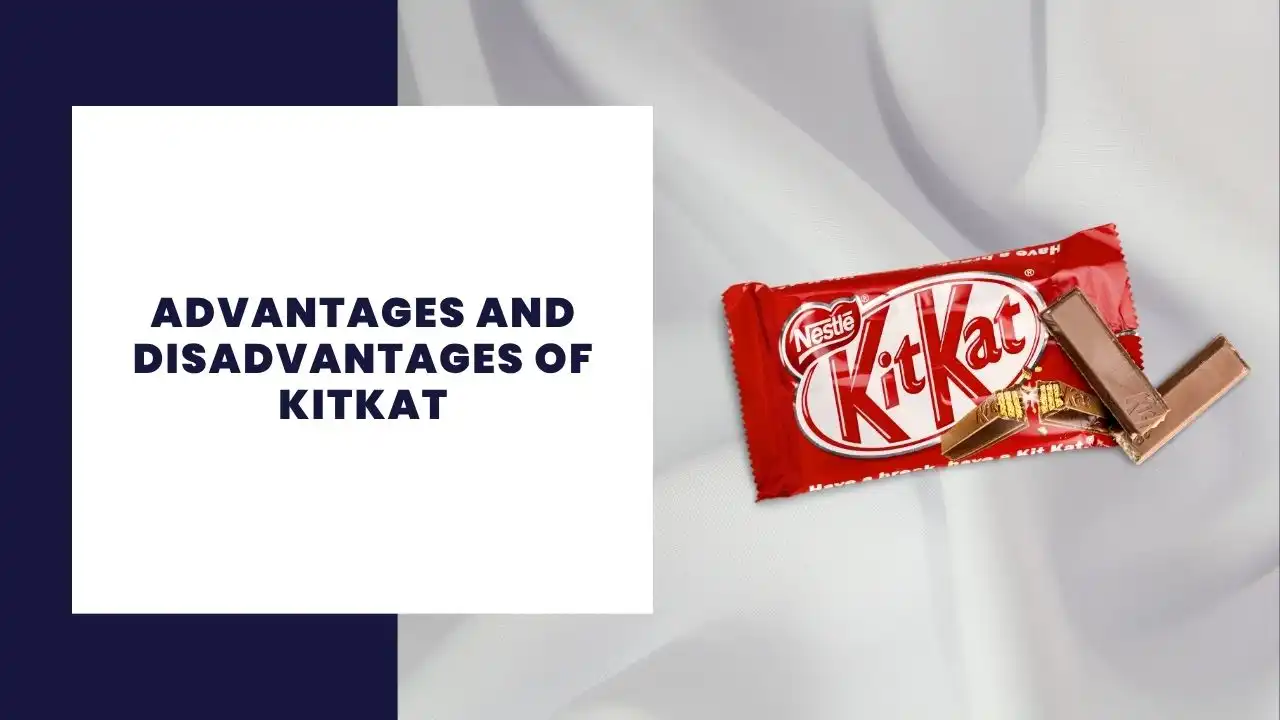
KitKat is one of the most recognizable names in the world of confectionery, enjoyed by millions across the globe. Known for its distinctive wafer layers coated in smooth milk chocolate, KitKat has become a staple snack for many. However, like any popular product, it carries both benefits and drawbacks that may influence consumer choices. Understanding these advantages and disadvantages can help you make more informed decisions about including KitKat in your diet or using it in other contexts.
What Is KitKat?
KitKat is a chocolate-covered wafer bar confection produced by Nestlé, except in the United States where it is made under license by The Hershey Company. First introduced in the 1930s, KitKat has evolved into a global brand, famous for its “breakable” fingers that encourage sharing and portion control. The classic KitKat consists of layers of crispy wafers coated in milk chocolate, though variations exist including white chocolate, dark chocolate, and numerous region-specific flavors.
The product’s marketing often emphasizes its simplicity and the pleasurable experience of “taking a break” with a KitKat. Beyond its taste and texture, KitKat has become embedded in popular culture, recognized for its catchy slogans and distinctive packaging.
Advantages of KitKat
1. Delicious Taste and Texture
One of the primary reasons KitKat enjoys widespread popularity is its unique combination of crisp wafer layers and creamy chocolate coating. This texture contrast creates a satisfying sensory experience that appeals to a broad audience. The sweet but balanced flavor profile makes it a favorite snack for many chocolate lovers.
2. Portion Control with Breakable Fingers
KitKat bars are segmented into individual fingers, allowing consumers to easily break off and eat a small portion at a time. This design helps with portion control and reduces the likelihood of overeating, making it a convenient option for those mindful of their consumption.
3. Wide Availability
KitKat is available in more than 80 countries worldwide, making it accessible to a large consumer base. Its widespread availability means people can enjoy KitKat in various regions, often with local flavor twists that cater to regional tastes.
4. Variety of Flavors and Sizes
Beyond the classic milk chocolate, KitKat offers a wide range of flavors and sizes. From green tea and strawberry to dark chocolate and even limited-edition seasonal varieties, this diversity helps keep the brand fresh and exciting for consumers who seek new taste experiences.
5. Affordable Price Point
KitKat is generally priced as an affordable indulgence, making it accessible to a broad demographic. Its cost-effectiveness allows people to enjoy a treat without significant financial impact, which is important in competitive snack markets.
6. Strong Brand Recognition
As one of the most recognizable chocolate brands globally, KitKat benefits from strong brand loyalty. This recognition also aids in marketing campaigns and product launches, ensuring sustained consumer interest.
7. Convenient Packaging
KitKat’s packaging is designed to be portable and easy to open, making it a convenient snack for on-the-go consumption. This practicality appeals to busy consumers looking for quick energy boosts or a sweet break.
Disadvantages of KitKat
1. High Sugar Content
Despite its delicious taste, KitKat contains a significant amount of sugar, which can be a concern for health-conscious consumers. Excessive sugar intake is linked to various health issues, including obesity, diabetes, and dental problems.
2. Presence of Saturated Fats
KitKat bars contain saturated fats derived from the chocolate coating and other ingredients. High consumption of saturated fats may contribute to cardiovascular diseases, making it less ideal for individuals with dietary restrictions.
3. Limited Nutritional Value
While KitKat offers a quick energy boost, it lacks essential nutrients such as vitamins, minerals, and fiber. It is essentially a treat rather than a source of balanced nutrition, which limits its role in a healthy diet.
4. Allergens and Dietary Restrictions
KitKat contains common allergens like milk, wheat (gluten), and soy. This restricts its consumption among people with allergies or those following vegan or gluten-free diets. Although some variations exist, the classic bars are not suitable for all dietary needs.
5. Environmental Concerns
The production of KitKat, like many confectionery products, involves sourcing cocoa—a crop often linked to deforestation and unethical labor practices. While Nestlé has made commitments toward sustainable sourcing, challenges in the supply chain remain.
6. Potential for Overconsumption
The enjoyable taste and convenient packaging can encourage overconsumption, leading to excessive calorie intake. For individuals trying to manage weight or reduce sugar consumption, KitKat may pose a temptation that is hard to resist.
7. Not Suitable for Diabetics
Due to its high sugar content and rapid digestibility, KitKat is generally unsuitable for people with diabetes or those trying to control blood glucose levels. Consuming such sweets can cause spikes in blood sugar, leading to health complications.
Comparison Table of the Pros and Cons of KitKat
| Advantages | Disadvantages |
|---|---|
| Delicious taste and texture | High sugar content |
| Portion control with fingers | Contains saturated fats |
| Widely available globally | Limited nutritional value |
| Variety of flavors and sizes | Contains common allergens |
| Affordable price point | Environmental concerns in sourcing |
| Strong brand recognition | Potential for overconsumption |
| Convenient packaging | Not suitable for diabetics |
The Future of KitKat
The future of KitKat is likely to be shaped by evolving consumer preferences and increasing awareness about health and sustainability. Nestlé and other producers are expected to continue innovating with new flavors, healthier formulations, and more sustainable packaging. Efforts to source cocoa responsibly and reduce the environmental footprint will be critical to maintaining consumer trust.
Additionally, as plant-based diets grow in popularity, there may be an expansion in vegan-friendly KitKat options. Digital marketing and interactive campaigns will also play a significant role in engaging younger audiences, ensuring KitKat remains a relevant and beloved brand for years to come.
FAQs About KitKat
1. Is KitKat gluten-free?
No, classic KitKat bars contain wheat and are not gluten-free. However, some variants or limited editions may be gluten-free, so it’s important to check the packaging.
2. Can KitKat be considered a healthy snack?
KitKat is primarily a treat and lacks significant nutritional benefits. It is best consumed in moderation as part of a balanced diet.
3. Does KitKat contain any allergens?
Yes, KitKat contains milk, soy, and wheat, which are common allergens. People with allergies should read the ingredient list carefully.
4. Are there vegan KitKat options available?
Traditional KitKat bars contain milk and are not vegan. However, some regions have introduced vegan versions made with plant-based ingredients.
5. What is Nestlé doing to make KitKat more sustainable?
Nestlé has committed to sourcing 100% of its cocoa responsibly through programs like the Nestlé Cocoa Plan, which aims to improve farmer livelihoods and reduce environmental impact.
Conclusion of Advantages and Disadvantages of KitKat
KitKat stands out as a beloved chocolate wafer bar with numerous advantages, including its delicious taste, convenient packaging, and global availability. Its segmented fingers provide portion control, while the variety of flavors caters to diverse preferences. However, it also carries notable disadvantages such as high sugar and saturated fat content, limited nutritional value, and allergen concerns. Environmental and ethical considerations further complicate its profile.
For consumers, KitKat represents a tasty indulgence best enjoyed in moderation. Awareness of its pros and cons can help individuals make choices aligned with their health goals and ethical values. As the brand evolves, balancing enjoyment with responsibility will be key to KitKat’s continued success in the competitive confectionery market.