
Why Is AI Always Female?
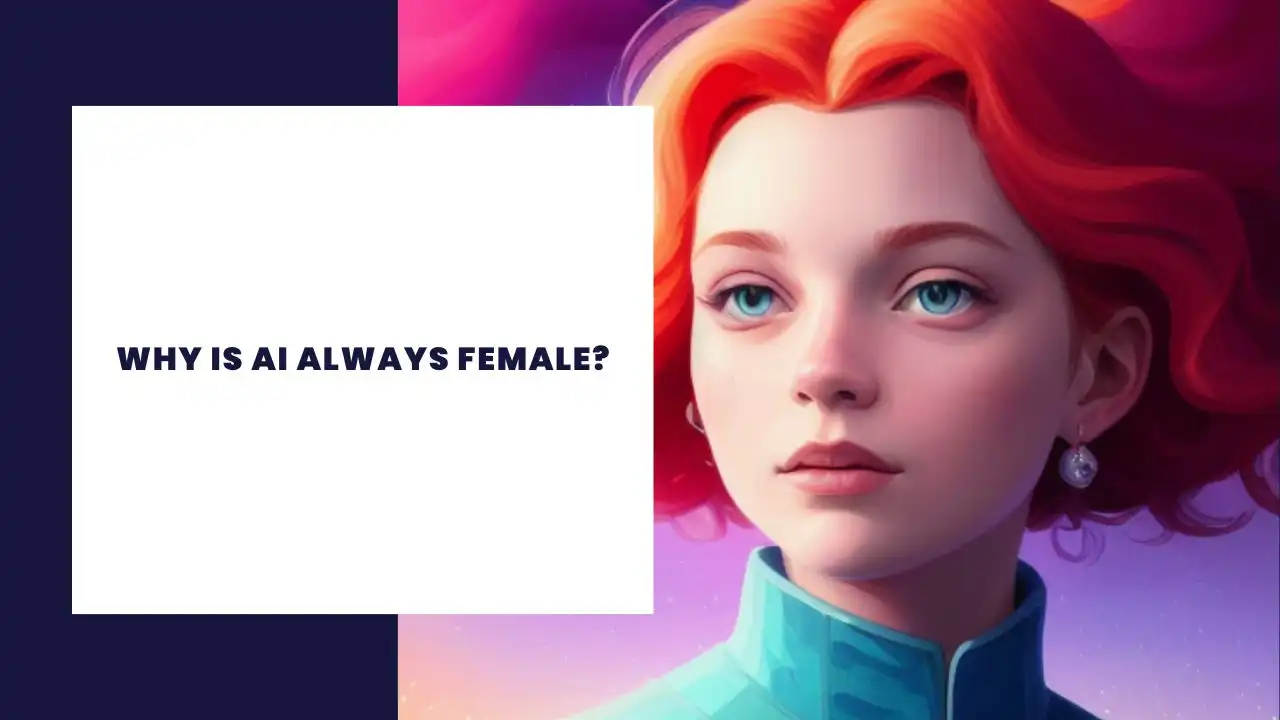
From the moment you ask your smartphone a question or summon a virtual assistant to set a reminder, chances are high that the voice you hear is female. Whether it’s Alexa, Siri, or Cortana, AI assistants across platforms tend to speak in women’s voices and adopt traditionally feminine characteristics. This trend isn’t accidental—it’s rooted in complex social dynamics, historical roles, and deep-seated cultural biases. As AI becomes more ingrained in everyday life, the persistent choice to make digital assistants female raises important questions about gender, bias, and the future of technology.
Written by
- Redaction Team
- Business Technology, Entrepreneurship
Table of Contents
1. The Rise of the Female Voice in AI
One of the most notable patterns in modern AI assistants is their tendency to default to a female voice. Assistants like Siri, Alexa, Cortana, and Google Assistant are all examples of how voice assistants are overwhelmingly presented as female. This isn’t just a design quirk—it’s a conscious choice based on user feedback, psychological studies, and marketing research.
According to some studies, users find female voices more pleasant, more trustworthy, and easier to understand. Women tend to articulate vowel sounds more clearly, making their speech easier to comprehend in noisy environments or through low-quality speakers. These feminine traits are often considered beneficial in a digital assistant, which needs to be intelligible and user-friendly.
2. The Historical Legacy of Subservient Roles
To understand the dominance of female AI voices, it’s important to consider the historical context. Switchboard operators, secretaries, and personal assistants have traditionally been women. These roles were associated with helpfulness, politeness, and subservient behavior—traits that have now been carried over into the digital world.
By designing AI bots to mirror these roles, tech companies may unintentionally be reinforcing the idea that assistants should be female, polite, and non-confrontational. This alignment with historical gender roles reveals how social norms and cultural biases continue to shape the design of emerging technologies.
3. The Bias Behind the Code
Bias exists not only in the voice output but also in the underlying programming decisions. The teams that develop AI technology are still overwhelmingly male, and this homogeneity can influence design choices—consciously or not.
Programmers make decisions about how their AI assistants sound and behave. If the team assumes that users prefer female voices or are more comfortable receiving commands from a woman’s voice, the result may be a perpetuation of gender bias in technology. Even gender-neutral designs are rare, and when they do exist, they often feel like exceptions rather than the rule.
The famous UNESCO report “I’d Blush If I Could” called attention to this issue by highlighting how voice assistants were reinforcing harmful gender stereotypes by defaulting to female personas that never challenge user behavior—even in the face of inappropriate comments.
4. Marketing Strategy and Feminine Branding
Another possible reason behind the female AI default is marketing. Many companies treat their virtual assistants as products with personalities. A female name, female voice, and feminine characteristics often make the assistant seem more approachable, helpful, and trustworthy.
From Cortana to Alexa, branding a digital assistant as female becomes part of a marketing strategy. A woman’s voice is used to create a sense of friendliness and warmth, which companies hope will increase user engagement and loyalty.
However, this decision also exposes how companies are leveraging gendered expectations to drive product adoption—without necessarily questioning the implications for gender equality in tech.
5. User Preferences and Cultural Norms
Many users find female voices easier to interact with. Surveys indicate that both male and female users often prefer female voices for AI assistants. This may be due to long-standing cultural norms that associate women’s voices with helpfulness and men’s voices with authority.
Interestingly, tech companies have also been quick to add male-sounding voices or new voice options following backlash or shifting public sentiment. For instance, Google now allows you to choose between multiple voices, including gender-neutral options, for its Google Assistant. Similarly, Apple added a male voice to Siri after years of criticism.
The growing demand for voice assistants that don’t reinforce traditional roles is pushing the industry to rethink its defaults. However, the change is slow and often reactive.
6. Automation, Gender, and the AI Future
As AI becomes more embedded in daily routines—from smart speakers in homes to chatbots in customer service—the gender of AI assistants is more than just a voice choice. It reflects how automation can subtly perpetuate outdated roles.
People interact with AI in ways that mirror human relationships. Giving AI assistants a female voice and expecting them to be polite, helpful, and even flirtatious under certain circumstances exposes a troubling undercurrent. It raises concerns about how society perceives gender roles and how these perceptions are being codified into machines.
AI and gender are becoming hot topics in academic, tech, and ethical discussions. With more attention on voice technology, there’s a push toward offering gender-neutral, customizable, or even genderless options in the future. Some experimental bots already aim to sound more androgynous, breaking the binary of male or female.
7. The Role of Programmers and Tech Companies
Ultimately, programmers make the final call on how their AI assistants behave. Whether influenced by user preferences, marketing strategy, or internal assumptions, the decision to default to a female voice is not neutral.
Tech companies like Samsung, Microsoft, Apple, and Google wield immense power in shaping how people interact with virtual assistants. Their choices influence not just usability but social expectations.
The debate isn’t just about whether AI should sound female—it’s about how to avoid replicating gender bias in technology and how to build systems that reflect modern values around gender equality and inclusion.
Conclusion
The tendency for AI to be female is rooted in history, cultural bias, user psychology, and business logic. From Siri to Alexa, the majority of AI assistants use a female voice, reflecting society’s comfort with assigning women to helpful and subservient roles—even in the digital realm.
But as AI continues to evolve, so too should our expectations. The future of voice assistants and AI bots lies in greater diversity, inclusivity, and personalization. Moving beyond default gender roles will not only improve the AI user experience but also help challenge the societal norms embedded in our everyday technologies. The conversation around AI and gender is far from over—but it’s one that is crucial for the future of artificial intelligence and ethical tech design.
More about Business Technology