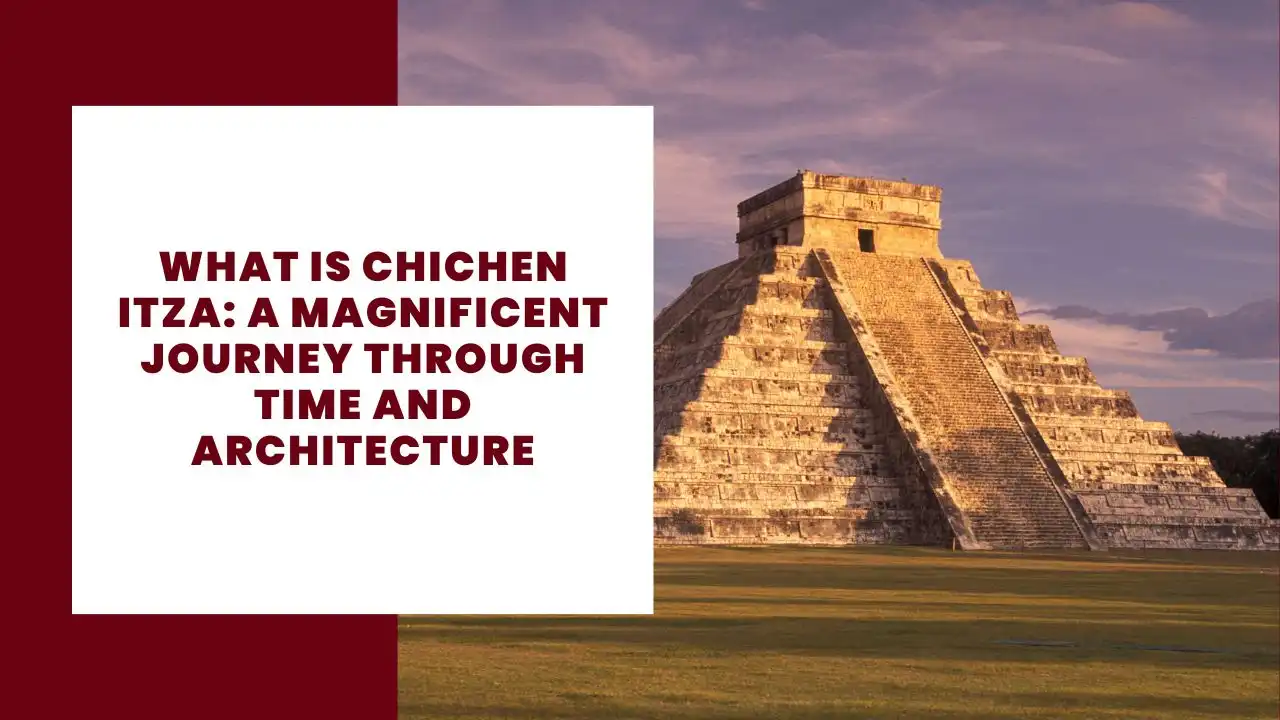
Nestled in the heart of Mexico’s Yucatan Peninsula, Chichen Itza stands as a testament to the incredible architectural and cultural achievements of the ancient Mayan civilization. Recognized as one of the New Seven Wonders of the World and a UNESCO World Heritage Site, this archaeological marvel continues to captivate visitors from around the globe with its stunning structures and rich historical significance.
The Historical Significance of Chichen Itza
Chichen Itza, which translates to “at the mouth of the well of the Itza,” was one of the largest and most important cities of the ancient Maya world. The site represents a fascinating blend of Maya and Toltec architectural styles, showcasing the complex cultural interactions that shaped this remarkable civilization. Founded around 600 AD and flourishing between the 7th and 10th centuries, the city was a center of political, economic, and cultural power in the region.
Architectural Marvels of the Ancient City
El Castillo: The Temple of Kukulkan
The most iconic structure at Chichen Itza is undoubtedly El Castillo, also known as the Temple of Kukulkan. This magnificent step pyramid stands as a breathtaking example of Mayan architectural genius. Standing 30 meters (98 feet) tall, the pyramid is a marvel of astronomical and mathematical precision. During the spring and autumn equinoxes, a truly magical phenomenon occurs – the play of sunlight creates a serpent-like shadow descending the northern staircase, representing the feathered serpent god Kukulkan.
The Great Ball Court: A Sporting and Spiritual Center
Another remarkable feature of Chichen Itza is the Great Ball Court, the largest of its kind in the Americas. Measuring 168 by 70 meters, this impressive structure was more than just a sporting venue. The ball game, known as Pok-ta-Pok, held deep religious and cultural significance for the Mayan people, often involving complex ritual and symbolic meanings.
Astronomical and Cultural Significance
El Caracol: The Mayan Observatory
The circular building known as El Caracol provides compelling evidence of the Maya’s advanced astronomical knowledge. This observatory demonstrates the sophisticated understanding of celestial movements that the Mayan civilization possessed. Its windows are strategically aligned to track the movements of Venus and other celestial bodies, highlighting the scientific prowess of these ancient people.
The Sacred Cenote
One of the most intriguing features of Chichen Itza is the Sacred Cenote, a natural limestone sinkhole that played a crucial role in Mayan religious practices. Archaeological evidence suggests that the cenote was used for both water supply and religious ceremonies, including ritual sacrifices.
Exploring the Archaeological Site
A Blend of Architectural Styles
Chichen Itza showcases a unique blend of architectural styles, incorporating influences from central Mexico and the Puuc region. The Temple of the Warriors, with its thousand columns, and the Temple of the Bearded Man are prime examples of the diverse architectural techniques employed by the Maya and Toltec peoples.
Visiting Chichen Itza Today
A Journey Through Time
Today, Chichen Itza attracts hundreds of thousands of visitors annually. Located approximately 120 miles from Cancun, the site offers a profound glimpse into the sophisticated Mayan civilization. Visitors can explore the various structures, including the main pyramid, the ball court, and numerous temples that dot the archaeological site.
Practical Visitor Information
For those planning to visit, it’s recommended to:
Book a guided tour to gain deeper insights into the historical and cultural significance
Visit early in the day to avoid crowds and heat
Bring water, sunscreen, and comfortable walking shoes
Respect the site and its historical importance
The Legacy of Chichen Itza
Chichen Itza remains one of the most significant archaeological sites in Mexico and the world. Its recognition as one of the New Seven Wonders of the World in 2007 underscores its global importance. The site continues to provide invaluable insights into the remarkable Mayan civilization, their advanced understanding of astronomy, architecture, and cultural practices.
Preserving History
The Instituto Nacional de Antropología e Historia (INAH) continues to work diligently to preserve and study this incredible site, ensuring that future generations can continue to learn from and marvel at the achievements of the ancient Maya.
Chichen Itza is more than just an archaeological site – it’s a living testament to human ingenuity, cultural complexity, and the enduring legacy of one of the most fascinating civilizations in human history.
We use cookies on our website to give you the most relevant experience by remembering your preferences and repeat visits. By clicking “Accept”, you consent to the use of ALL the cookies.
This website uses cookies to improve your experience while you navigate through the website. Out of these, the cookies that are categorized as necessary are stored on your browser as they are essential for the working of basic functionalities of the website. We also use third-party cookies that help us analyze and understand how you use this website. These cookies will be stored in your browser only with your consent. You also have the option to opt-out of these cookies. But opting out of some of these cookies may affect your browsing experience.
Necessary cookies are absolutely essential for the website to function properly. This category only includes cookies that ensures basic functionalities and security features of the website. These cookies do not store any personal information.
Any cookies that may not be particularly necessary for the website to function and is used specifically to collect user personal data via analytics, ads, other embedded contents are termed as non-necessary cookies. It is mandatory to procure user consent prior to running these cookies on your website.