The world of supply chain planning has gone through tremendous changes over the years, and technology has been at the forefront of this evolution.
Today, businesses across industries are leveraging the latest technological advancements to streamline their operations and stay ahead of the competition.
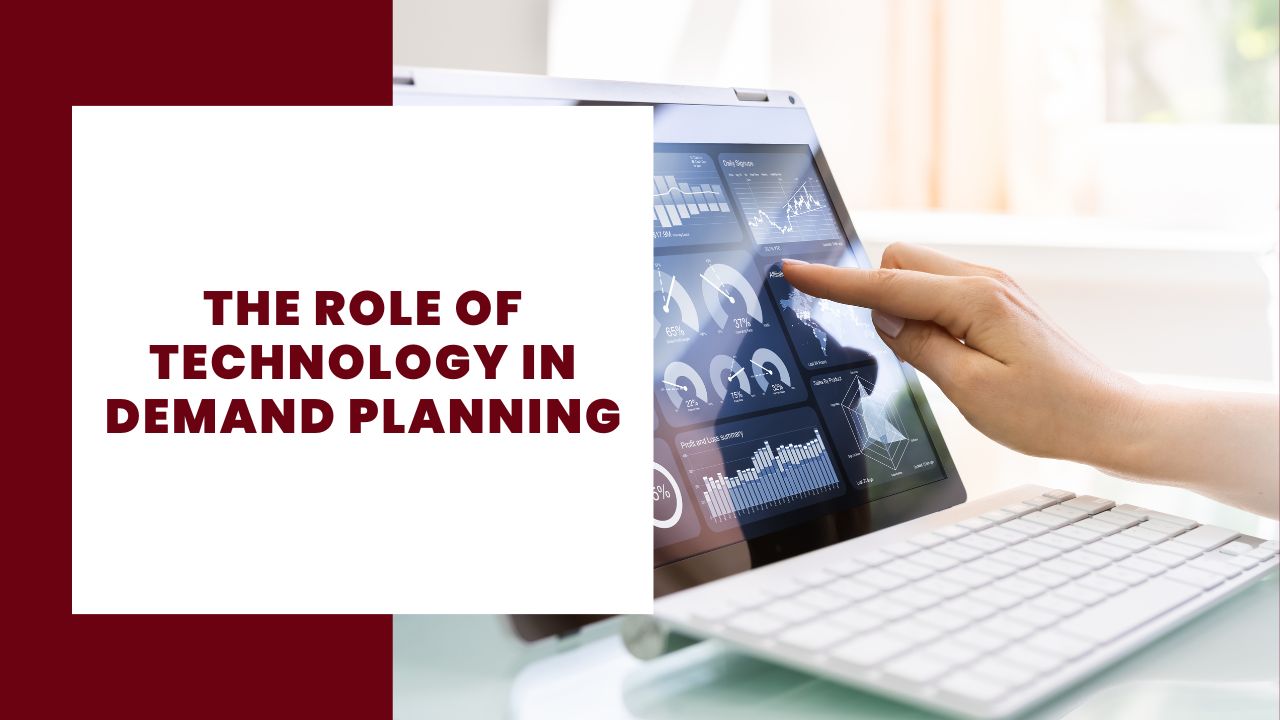
In this blog, we will delve into the role of technology in demand planning, exploring how it has revolutionized the way companies approach this critical aspect of their supply chain operations.
It involves forecasting the demand for a product or service and determining the necessary production or procurement quantities to meet that demand.
This is a complex task that requires accurate data and sophisticated algorithms to generate reliable predictions.
The Impact of Technology on Demand Planning
In recent years, technology has had a profound impact on demand planning, offering businesses the tools they need to optimize their operations and improve their bottom line. Here are just a few of the ways technology is revolutionizing demand planning:
1. Improved Data Collection and Analysis:
With the growth of the Internet of Things (IoT) and other data-gathering technologies, businesses now have access to vast amounts of real-time data on customer behavior and market trends. This data is used to make more accurate demand predictions, allowing companies to respond quickly to changes in the market.
2. Advanced Algorithms:
Machine learning and artificial intelligence algorithms are being used to analyze large amounts of data and generate more accurate demand forecasts. These algorithms can take into account multiple variables, such as seasonality, promotions, and economic indicators, to provide a more comprehensive picture of demand trends.
3. Automation:
Automated demand planning tools are being used to streamline the forecasting process, freeing up valuable time and resources that can be better spent on other critical tasks. These tools can also help reduce human error and improve the accuracy of demand forecasts.
The Benefits of Technology in Demand Planning
By leveraging technology in their demand planning process, companies can achieve numerous benefits, including:
(i). Improved Accuracy:
With advanced algorithms and more robust data collection methods, companies can generate more accurate demand forecasts, reducing the risk of stockouts and overstocking.
(ii). Increased Efficiency:
Automated demand planning tools can help companies streamline their operations, freeing up valuable time and resources that can be better spent on other critical tasks.
(iii). Better Decision-Making:
With access to real-time data and sophisticated algorithms, companies can make more informed decisions about their supply chain operations, helping them stay ahead of the competition.
The Future of Technology in Demand Planning
Looking ahead, it’s clear that technology will continue to play a critical role in demand planning, as businesses seek out new and innovative ways to optimize their operations and stay ahead of the competition.
As technology continues to evolve, we can expect to see even more sophisticated tools and algorithms, along with a greater emphasis on real-time data analysis and automation.
In conclusion, the role of technology in demand planning cannot be overstated. From improved accuracy and efficiency to better decision-making, technology is revolutionizing the way companies approach this critical aspect of their supply chain operations.
By leveraging the latest technological advancements, businesses can stay ahead of the curve, optimizing their operations and improving their bottom line.
We use cookies on our website to give you the most relevant experience by remembering your preferences and repeat visits. By clicking “Accept”, you consent to the use of ALL the cookies.
This website uses cookies to improve your experience while you navigate through the website. Out of these, the cookies that are categorized as necessary are stored on your browser as they are essential for the working of basic functionalities of the website. We also use third-party cookies that help us analyze and understand how you use this website. These cookies will be stored in your browser only with your consent. You also have the option to opt-out of these cookies. But opting out of some of these cookies may affect your browsing experience.
Necessary cookies are absolutely essential for the website to function properly. This category only includes cookies that ensures basic functionalities and security features of the website. These cookies do not store any personal information.
Any cookies that may not be particularly necessary for the website to function and is used specifically to collect user personal data via analytics, ads, other embedded contents are termed as non-necessary cookies. It is mandatory to procure user consent prior to running these cookies on your website.