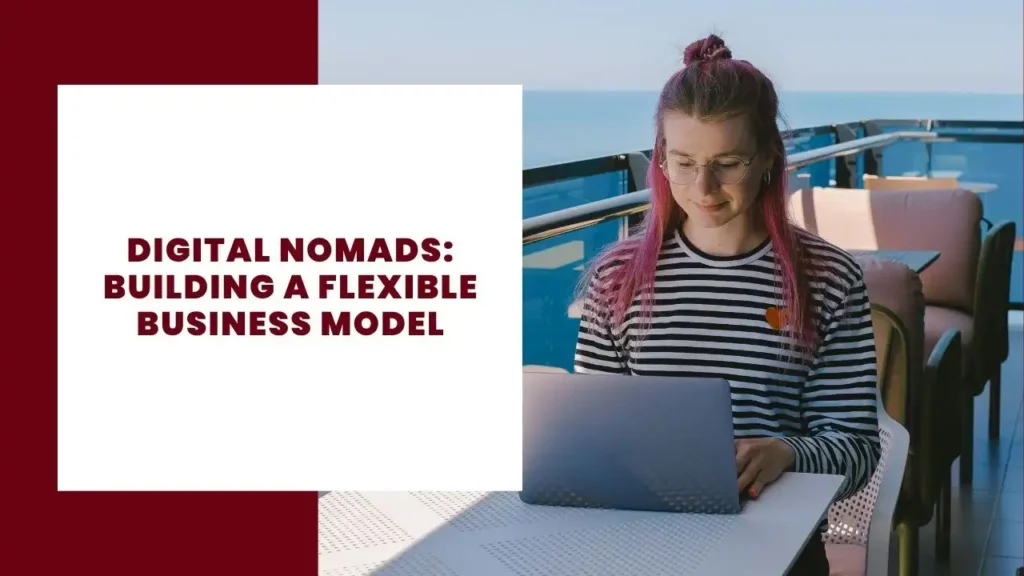
The new digital nomad visa to work remotely from Spain
Written by
- Redaction Team
- Entrepreneurship, Remote Work
Spain has recently introduced new legislation that allows workers to telecommute from home or other locations, with the aim of promoting a more flexible and modern work culture.
This new law is particularly attractive for digital marketing specialists and other professionals who can work remotely and enjoy the benefits of living and working in Spain.
Furthermore, Spain has also introduced a digital nomad visa, which allows foreign workers to live and work in the country for up to a year.
Keep reading this article to learn more, as well you can find out more on this new visa here.

What is the new digital nomad visa to work remotely from Spain?
The new digital nomad visa is a special visa that allows foreign workers to live and work remotely in Spain for up to a year.
It was introduced in response to the increasing trend of remote work and aims to attract talented professionals who can work from anywhere in the world.
In this focus of countries to attract talented workers and entrepreneurs, the digital nomad visa from Spain is a step forward to fulfill the new trend of people who are deciding to work wherever they want.
Certainly, the new digital nomad visa that the Spanish country has developed, sets them in the forefront of generating legal certainty to this type of work.
Spain, and overall European countries, are a very attractive place for worldwide digital nomads to be working due to the proximity to other countries.
People are clearly not fully satisfied with 9-5 fixed desk work, and they are looking for jobs or developing businesses that let them have this flexibility of deciding where and how to work.
For sure, the digital nomad visa from Spain is a good step forward to assess this demand.
What are the requirements for such a visa?

To apply for the digital nomad visa in Spain, applicants must meet certain requirements, including:
- Prove their remote work status: Applicants must demonstrate that they are able to work remotely for a foreign employer or as a freelancer. This can be done by providing a work contract, proof of self-employment, or a letter from their employer.
- Have a bank statement: Applicants must have a possession at least €25,000.
- Purchase private health insurance: Applicants must obtain private health insurance that covers them for the duration of their stay in Spain.
- Obtain a certificate of no criminal record: Applicants must obtain a certificate of no criminal record from their home country.
- Meet other general visa requirements: Applicants must also meet other general visa requirements, such as having a valid passport, not being on the list of persons prohibited from entry into Spain, and not having previously overstayed a visa or been deported from Spain.
It is important to note that the requirements for the digital nomad visa may vary depending on the applicant’s country of origin and individual circumstances.
It is recommended to consult with the Spanish embassy or consulate in the applicant’s home country for specific information and guidance on the application process.
Why choose Spain as a destination for Digital Nomads?
Spain is a popular destination for digital nomads due to its high quality of life, vibrant culture, and beautiful landscapes. Digital marketing specialists and other professionals who work remotely can benefit from the country’s many advantages, such as the following:
Spain’s climate is one of the main attractions for digital nomads. The country has over 300 days of sunshine a year, with mild winters and hot summers, making it an ideal destination for those who want to escape colder climates. This sunny weather also allows for outdoor activities, such as hiking, cycling, and beach sports, which are popular among digital nomads seeking a healthy work-life balance.
As well, the country has a rich and diverse culture that is celebrated throughout the country. From the colorful fiestas and flamenco dancing in the south to the avant-garde architecture and art in the north, there is something for everyone. The country is also renowned for its gastronomy, with a variety of regional cuisines and world-renowned chefs that attract foodies from all over the world.
Spain offers affordable living costs compared to other European countries. Digital nomads can find reasonably priced accommodation in both urban and rural areas, with many options for short-term rentals. Food, transportation, and entertainment are also relatively inexpensive, allowing for a comfortable lifestyle while staying within a budget.
It is home to several vibrant cities that offer a diverse range of experiences for digital nomads. Cities like Barcelona, Madrid, and Valencia have a thriving startup scene, with coworking spaces, networking events, and entrepreneurial communities. These cities also offer a rich cultural scene with museums, art galleries, and theaters, as well as nightlife, shopping, and dining options.
Lastly, Spain has a well-developed transportation system that makes it easy to travel around the country and explore its diverse regions. From high-speed trains and buses to low-cost airlines, digital nomads can easily move around the country and discover its many hidden gems.
Conclusion
In conclusion, Spain is an attractive destination for digital nomads due to its sunny weather, diverse culture, affordable living costs, vibrant cities, and efficient transportation system. The digital nomad visa allows workers to experience all of these benefits while also promoting Spain’s digital economy and attracting top talent to its workforce.
It’s possible that other countries will develop a digital nomad visa program similar to Spain’s, especially as remote work continues to grow in popularity. In fact, several countries have already launched digital nomad visa programs or are in the process of doing so. Some countries that have developed similar programs are Estonia, Georgia, Croatia and Barbados.
Countries like Spain, know that the war of talent is not only at an organizational level, but also by attracting high talent income generating profiles. Freelancers, remote workers and e-business owners will also generate local economic growth for cities. Digital nomads, besides their tax payments, have to pay for accommodation, groceries and traveling, which certainly have an impact on local communities.
More about Remote Work