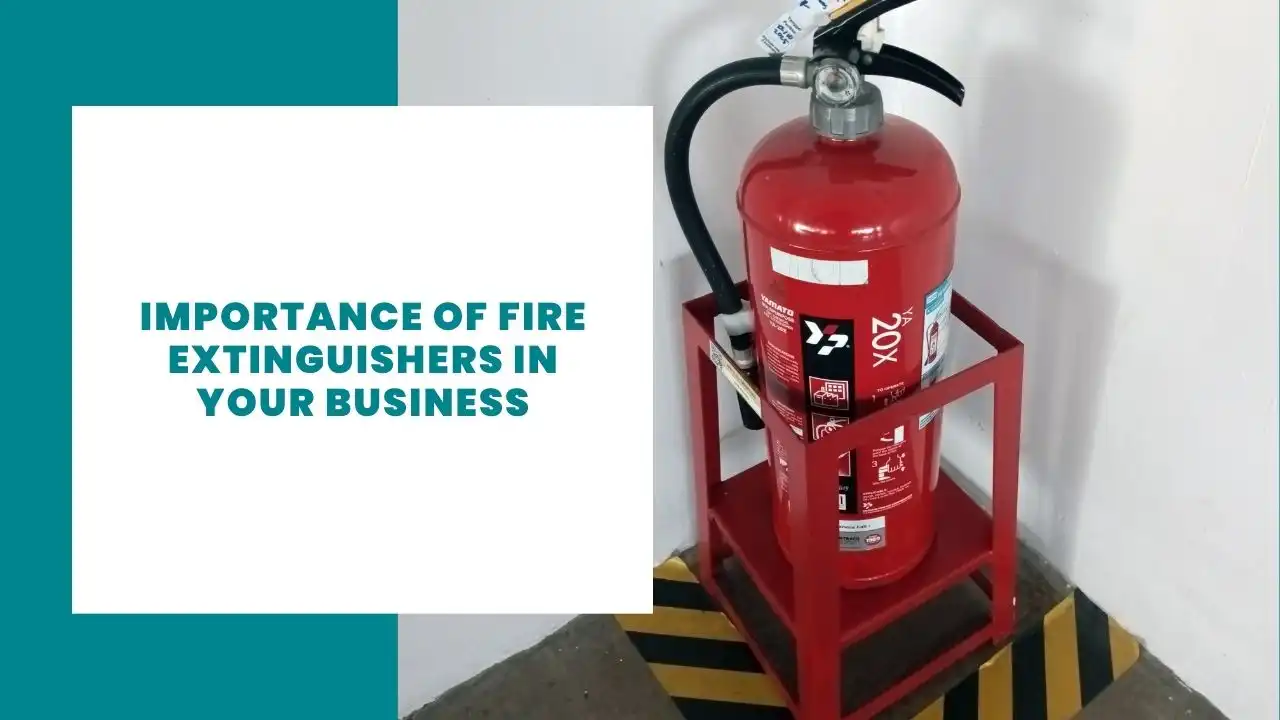
The importance of fire extinguishers in your business goes far beyond meeting basic fire codes. Fire extinguishers are a critical part of fire safety, fire protection, and business continuity. When a fire emergency occurs, having the right fire extinguisher in the right place can mean the difference between containing a small fire and facing severe property damage, injuries, or even loss of life.
Many businesses work with flammable materials, electrical equipment, or flammable liquids, all of which increase fire risks. Portable fire extinguishers act as the first line of defense, giving employees the ability to respond quickly before the fire department arrives. Understanding their role, proper use, and ongoing maintenance is essential for protecting lives and property.
1. Fire Extinguishers as the First Line of Defense
Fire extinguishers are designed to control or extinguish a small fire in its early stages. In the event of a fire, immediate action can contain the fire before it spreads and becomes uncontrollable.
When employees have quick access to fire extinguishers, they can respond to fire hazards caused by flammable materials, faulty equipment, or human error. This rapid response helps minimize the risk of injuries, extensive property damage, and business interruption.
Fire extinguishers must be easily accessible, typically mounted no more than 5 feet above the floor, and located within 75 feet of travel distance. Accessibility ensures that extinguishers are ready when seconds matter.
2. Understanding Fire Classes and the Right Extinguishers
Different types of fire require different extinguishing agents. Understanding fire classes is a key part of proper fire safety planning.
Class A fire hazards involve ordinary combustibles such as paper, wood, and textiles. Class B fires involve flammable liquids like gasoline, oils, and solvents. Some businesses face Class B fire risks due to storage or use of flammable liquids. Using the wrong type of fire extinguisher on a specific type of fire can make the situation worse.
Selecting the right extinguishers based on identified hazards is essential. A comprehensive fire protection plan should identify potential fire hazards and match them with appropriate extinguishing agents.
3. Importance of Fire Extinguisher Training for Employees
Fire extinguisher training ensures employees know when and how to use a fire extinguisher safely. Proper use of fire extinguishers includes knowing how to identify the fire class, operate the extinguisher, and recognize when to evacuate instead of attempting to extinguish the fire.
Fire safety training also emphasizes life safety. Employees should never attempt to fight a fire that is spreading rapidly or producing heavy smoke. In those situations, evacuation and contacting the fire department is the correct action.
Training and education create confidence, reduce panic during a fire emergency, and support a safer work environment.
4. Importance of Fire Extinguisher Maintenance and Inspection
The importance of fire extinguisher maintenance cannot be overstated. Fire extinguishers must work properly when needed, and regular maintenance ensures they are ready for use.
Regular fire extinguisher inspection helps identify signs of damage such as corrosion, leaks, low pressure, or missing components. Annual maintenance, hydrostatic testing, and professional service are required to comply with national fire codes and OSHA guidelines.
Maintenance of fire extinguishers is not only a safety issue but also a legal requirement. Failure to maintain fire safety equipment can lead to fines, legal liabilities, and increased risk during an event of a fire.
5. Compliance With NFPA and OSHA Guidelines
Fire extinguisher use and maintenance are regulated by standards from the National Fire Protection Association and the Occupational Safety and Health Administration. NFPA and OSHA guidelines outline requirements for inspection, placement, maintenance, and employee training.
Fire extinguishers must be inspected regularly, maintained annually, and tested according to fire codes. OSHA guidelines require that businesses provide proper training and ensure extinguishers are accessible and functional.
Compliance with national fire and local fire regulations demonstrates a commitment to employee safety and helps protect your business from regulatory penalties.
6. Fire Extinguishers and Business Continuity
Fire prevention and preparedness are essential components of a strong safety strategy. Fire extinguishers help protect your business by reducing downtime and minimizing property damage.
Even a small fire can disrupt operations, damage equipment, and lead to costly repairs. Fire extinguishers allow businesses to respond quickly, contain the fire, and reduce long-term impact.
By minimizing the risk of severe fire damage, businesses support continuity, protect investments, and maintain customer trust.
7. Integrating Fire Extinguishers Into a Complete Fire Safety Plan
Fire extinguishers should be part of a comprehensive fire safety plan that includes evacuation plans, fire safety training, and regular maintenance and inspection. Employees should know evacuation routes, assembly points, and how to report a fire emergency.
A complete plan also includes identifying potential fire hazards, ensuring proper extinguisher placement, and coordinating with local fire authorities. Fire extinguishers alone are not enough, but they play a vital role in protecting lives and property.
When fire safety equipment is properly maintained and employees are trained, businesses gain peace of mind knowing they are prepared for emergencies.
FAQs About Importance of Fire Extinguishers in Your Business
Why are fire extinguishers important for businesses?
Fire extinguishers allow employees to respond quickly to a small fire, helping contain the fire, protect lives, and minimize property damage.
How often should fire extinguishers be inspected?
Fire extinguishers should be visually inspected regularly and receive annual maintenance by a professional service, with additional testing as required.
What happens if a business does not maintain fire extinguishers?
Lack of proper maintenance can lead to malfunction during a fire emergency, legal liabilities, fines, and increased risk to employees and property.
Do employees need fire extinguisher training?
Yes, fire extinguisher training ensures employees know proper usage, understand fire classes, and know when evacuation is the safer option.
How do I choose the right fire extinguisher for my business?
Choosing the right extinguisher depends on identified fire hazards, such as Class A or Class B fire risks, and should follow NFPA and OSHA guidelines.
Conclusion of Importance of Fire Extinguishers in Your Business
The importance of fire extinguishers in your business lies in their ability to protect lives, reduce property damage, and support business continuity. As a first line of defense, fire extinguishers play a crucial role in fire safety and fire prevention.
By investing in proper training, regular maintenance, and compliance with fire codes, businesses create a safer work environment and minimize the risk associated with fire emergencies. Fire extinguishers provide more than compliance; they deliver protection, preparedness, and peace of mind for businesses of all sizes.