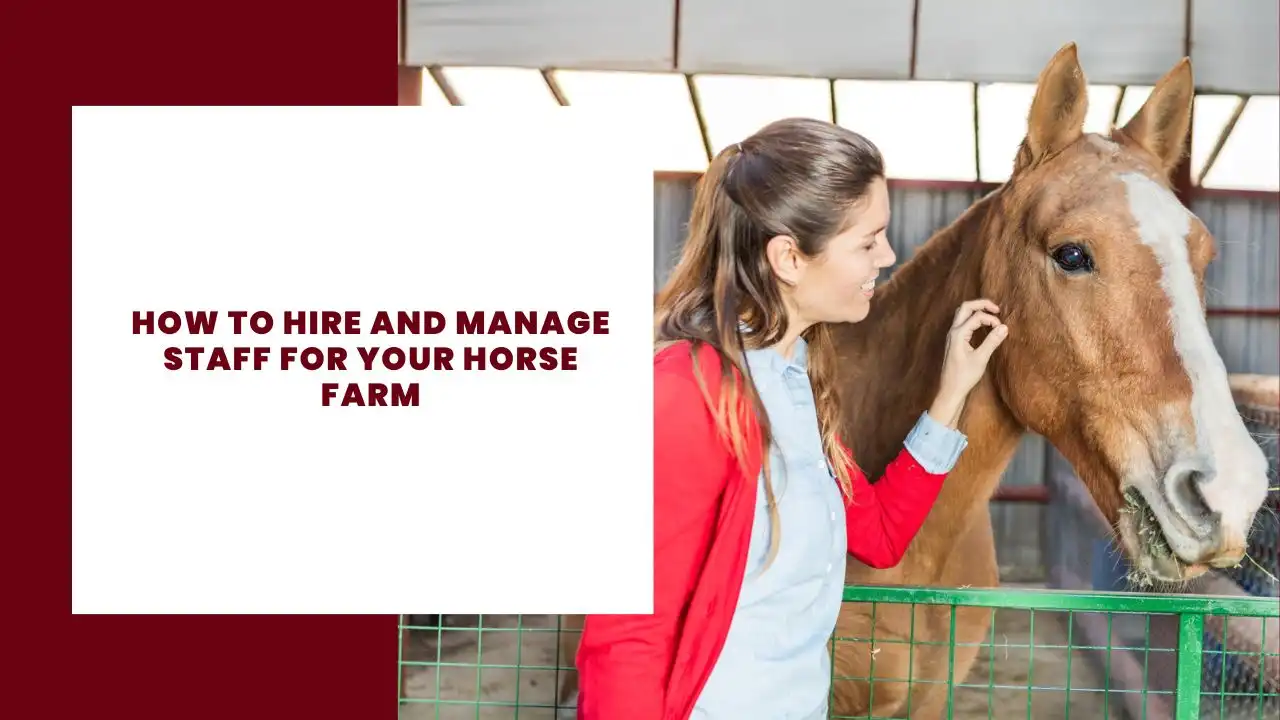
Hiring and managing staff effectively is crucial to running a successful horse farm. The equine industry plays a pivotal role in Florida, where the population exceeds 21 million. The state is home to numerous equestrian properties, attracting horse enthusiasts from around the globe.
When exploring horse properties for sale in Florida, it’s essential to consider how to build and manage a skilled team that can handle your farm’s daily operations. This guide provides valuable insights into hiring the right staff and managing them efficiently to ensure your horse farm runs smoothly and successfully.
Job Listings: Summarize the roles and responsibilities for each position on your farm. Typically, a farm will require workers for management, horse grooming, horse training, and farm maintenance. Detailed job descriptions help attract qualified candidates and ensure everyone understands their duties.
Recruitment Channels: Utilize various recruitment channels to find potential employees. Advertise on equestrian job boards, social media, and local community boards. Networking within the equine community can also be an effective way to find experienced candidates.
Interview Process: Conduct thorough interviews to assess candidates’ skills, experience, and compatibility with your farm’s culture. Include practical tests to evaluate their competence, such as handling horses or performing specific tasks. The Bureau of Labor Statistics verifies that the average turnover rate in the agricultural sector is around 10%, highlighting the importance of careful selection.
Background Checks and References: Perform background checks and contact references to verify candidates’ work history and reliability. This step helps ensure you hire trustworthy and competent staff, reducing the risk of future issues.
Training and Development
Orientation Programs: Implement comprehensive orientation programs for new hires. Introduce them to the farm’s operations, safety protocols, and expectations. A well-structured orientation helps new employees integrate quickly and effectively.
Ongoing training: Invest in ongoing training to improve the staff’s knowledge and skills. Offer workshops, certifications, and access to industry resources. Continuous training ensures your team stays updated on the best practices and advances in equine care.
Performance reviews: Carry out regular performance reviews to provide feedback and set work goals. Reviews help ascertain areas for improvement and recognize achievements, enabling a motivated and engaged workforce. Statistics show that regular feedback can improve employee performance by up to 39%.
Managing Staff Effectively
Clear communication: Retain open and transparent communication with your team. Hold regular meetings to discuss schedules, tasks, and any issues that arise with work. Effective communication fosters a collaborative and supportive work environment.
Fair Compensation and Benefits: Offer competitive salaries and benefits to attract and retain quality staff. In Florida, the average wage for agricultural workers is around $25,000 to $40,000 per year. Health insurance, paid time off, and other benefits can improve job satisfaction and loyalty.
Creating a Positive Work Environment: Cultivate a positive work environment by promoting respect, teamwork, and recognition. A supportive atmosphere boosts morale and reduces employee turnover. Happy employees are more likely to be productive and committed to their work.
Conflict Resolution: Address conflicts promptly and fairly. Implement clear policies for handling disputes and ensure all employees are aware of them. Effective conflict resolution leads to a harmonious workplace and prevents issues from escalating.
Legal and Safety Considerations
Labor Law Compliance: Ensure compliance with federal and state labor laws. This includes adhering to minimum wage regulations, providing overtime pay, and providing safe working conditions. Familiarize yourself with Florida’s labor laws to avoid legal complications.
Safety Protocols: Implement and enforce safety protocols to protect your staff. Provide proper training on equipment use, horse handling, and emergency procedures. Information from the Occupational Safety and Health Administration (OSHA) indicates that farms with effective safety programs can reduce injury rates by up to 25%.
Record Keeping: Ensure accurate records of employee information, payroll, and performance reviews are maintained. Proper documentation helps manage your team effectively and ensures compliance with legal requirements.
Effective hiring and staff management are essential for your horse farm’s success. Strategic recruitment, continuous training, clear communication, and adherence to legal standards create a productive and positive work environment.
We use cookies on our website to give you the most relevant experience by remembering your preferences and repeat visits. By clicking “Accept”, you consent to the use of ALL the cookies.
This website uses cookies to improve your experience while you navigate through the website. Out of these, the cookies that are categorized as necessary are stored on your browser as they are essential for the working of basic functionalities of the website. We also use third-party cookies that help us analyze and understand how you use this website. These cookies will be stored in your browser only with your consent. You also have the option to opt-out of these cookies. But opting out of some of these cookies may affect your browsing experience.
Necessary cookies are absolutely essential for the website to function properly. This category only includes cookies that ensures basic functionalities and security features of the website. These cookies do not store any personal information.
Any cookies that may not be particularly necessary for the website to function and is used specifically to collect user personal data via analytics, ads, other embedded contents are termed as non-necessary cookies. It is mandatory to procure user consent prior to running these cookies on your website.