Growing a business often begins with intuition. Founders and managers rely on instinct to navigate daily challenges, spot opportunities, and make quick decisions. While intuition drives early momentum, relying solely on gut feeling eventually creates bottlenecks. Scaling operations requires shifting from subjective guesswork to objective data, clear processes, and continuous improvement.
Many expanding organizations benefit from structured methodologies to bridge this gap. Professionals seeking to master these analytical frameworks often enroll in a lean practitioner course to gain hands-on skills in waste reduction and process optimization. These educational programs teach teams how to identify inefficiencies, standardize workflows, and establish reliable metrics that guide daily operational choices.
Identifying waste in daily operations
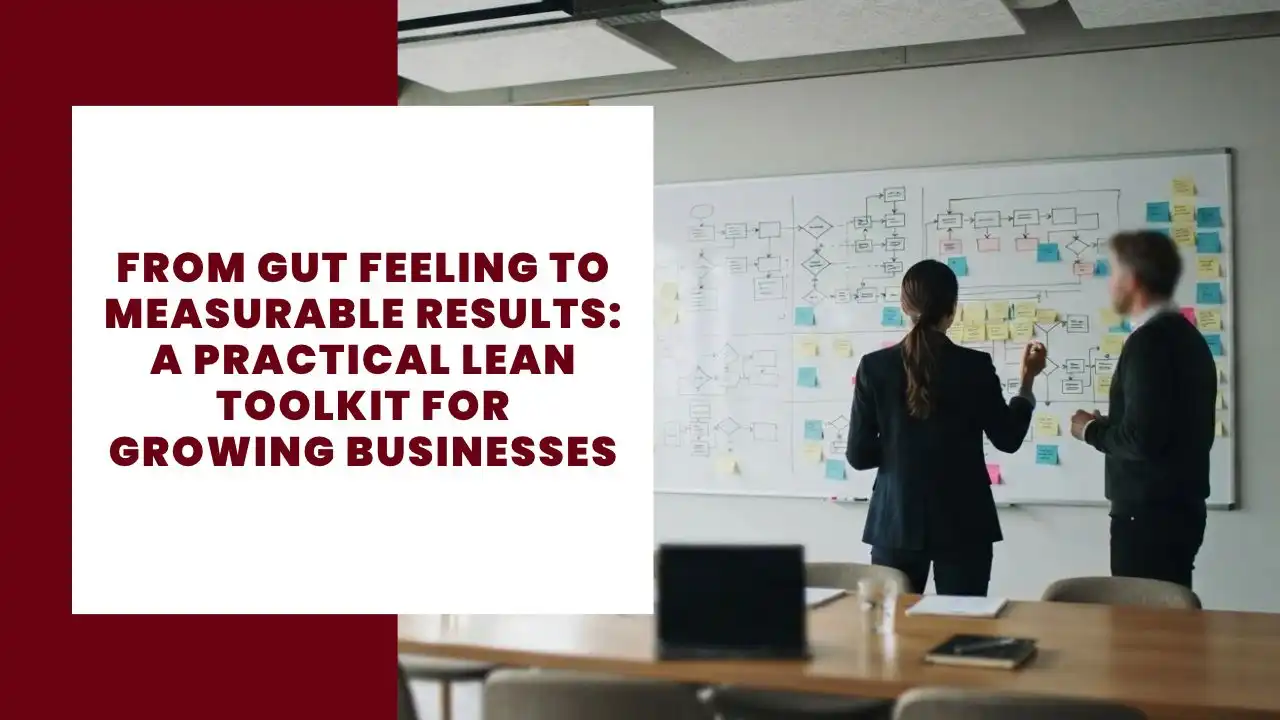
Waste takes many forms in a growing company. It is rarely just about discarded materials; more frequently, it manifests as wasted time, unnecessary movement, redundant approvals, and excess inventory. Pinpointing these hidden losses requires mapping current workflows step by step, involving the employees who perform the tasks every day. Once teams visualize their processes, bottlenecks become obvious, paving the way for targeted improvements.
Standardizing procedures is a crucial next step. When everyone follows the same optimized steps, quality stabilizes and training new hires becomes significantly faster. Leaders looking to build this operational discipline across their management teams often utilize comprehensive lean management training to align departments around common efficiency goals and shared accountability metrics.
Implementing the 5S framework for organization
A tidy physical and digital workspace directly impacts productivity. The 5S methodology, rooted in sorting, setting in order, shining, standardizing, and sustaining, provides a straightforward structure to eliminate clutter and disorganization. Implementing this framework involves:
- Sorting through tools, documents, and materials to remove unnecessary items.
- Setting remaining items in logical, ergonomic locations for quick access.
- Shining workspaces through regular cleaning and equipment maintenance.
- Standardizing best practices with clear visual cues and checklists.
- Sustaining habits through routine audits and team accountability.
Measuring progress and sustaining momentum
Transitioning from intuition to data-driven management requires tracking the right key performance indicators. Rather than measuring vanity metrics, focus on cycle time, defect rates, and throughput. When employees see objective data reflecting their improvements, engagement naturally increases.
Organizations aiming for deep cultural transformation sometimes partner with external providers such as The Lean Six Sigma Company to certify personnel and implement robust quality management systems. Ultimately, building a sustainable business relies on creating a culture where every team member feels empowered to question inefficiencies, test new ideas, and rely on evidence rather than assumptions.