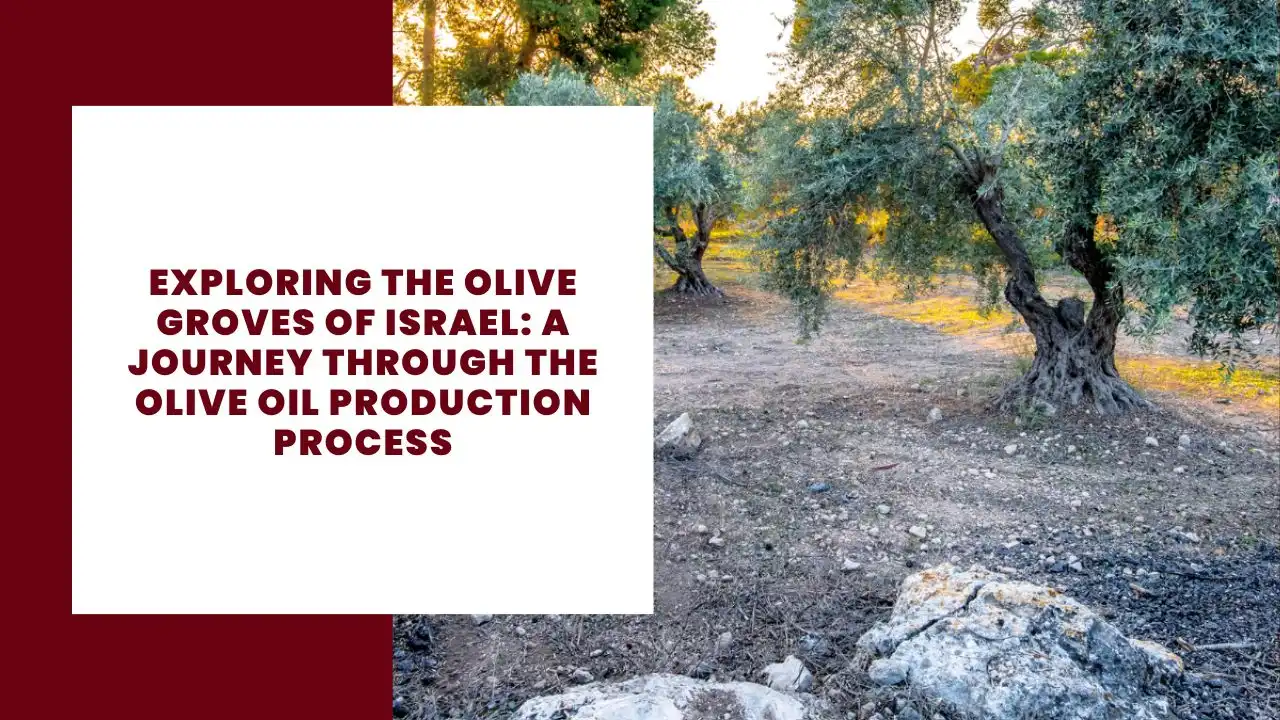
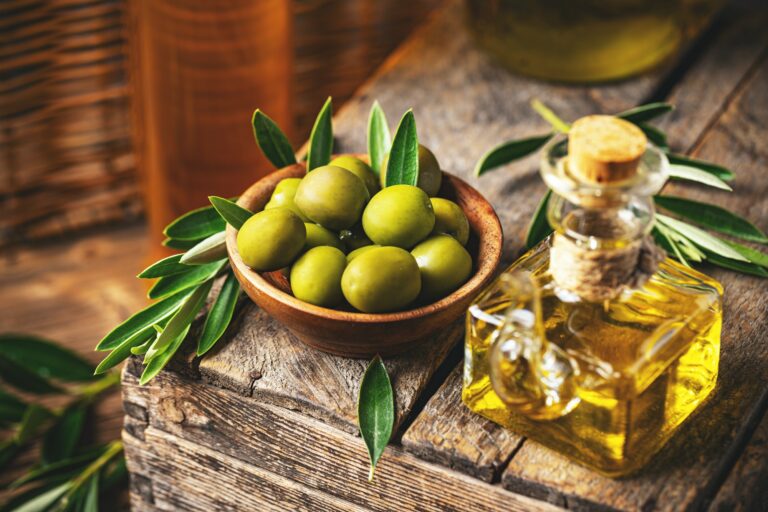
Nestled among the scenic landscapes of Israel, lush olive groves stretch across the country, bearing witness to a long-standing tradition of olive oil production. Israel’s ideal climate and fertile soil have made it a hub for high-quality olive oil, with a production process that dates back centuries.
In this blog post, we will embark on a journey through the olive groves of Israel, exploring the fascinating process of olive oil production, and discovering why olive oil from Israel has gained international acclaim.
1. The Olive Tree: Symbol of Life and Abundance
Olive trees have deep roots in the culture and history of Israel. These majestic trees symbolize life, peace, and abundance, with some trees believed to be centuries old. Olive trees thrive in the Mediterranean climate, and their hardy nature allows them to endure harsh conditions. The olive tree’s importance in the region is evident in its presence in biblical texts and its role in various traditions and rituals.
2. Cultivation and Harvesting
The process of olive oil production begins with the cultivation of olive trees. Israeli farmers carefully tend to their groves, ensuring optimal growth and health. Olive trees are pruned, and the soil is enriched to provide essential nutrients. The harvest typically takes place from late September to December when the olives are at their peak ripeness. Skilled workers meticulously handpick the olives, ensuring only the finest fruits are selected for oil production.
3. Pressing: The Art of Extraction
Once harvested, the olives are swiftly transported to local olive presses. Traditional and modern methods coexist in Israel’s olive oil production process. Traditional stone mills and hydraulic presses are used to crush the olives and extract the precious oil. The resulting paste is then gently pressed to separate the oil from the solid components. Modern centrifuges aid in further refining the oil, ensuring its purity and quality.
4. Quality and Varieties
Israeli olive oil is renowned for its exceptional quality and diverse varieties. The region’s varying landscapes and climates contribute to the unique flavors and characteristics of olive oil. From the robust and peppery flavors of the “Coratina” variety to the fruity and delicate notes of the “Barnea” variety, Israeli olive oil offers a wide range of flavors to suit different tastes and culinary applications.
Conclusion
Embarking on a journey through the olive groves of Israel reveals the remarkable process behind olive oil production. From the cultivation and harvesting of olives to the art of extraction and the diverse range of flavors, olive oil from Israel stands as a testament to the country’s rich agricultural heritage. By embracing olive oil from Israel and supporting Israeli products, we not only experience the exquisite flavors and health benefits of this golden elixir but also contribute to the sustainability and growth of the Israeli agricultural industry.
So, explore the olive groves of Israel, savor the flavors of Israeli olive oil, and elevate your culinary experiences. By choosing Israeli products, including olive oil, we celebrate the dedication of Israeli farmers and their commitment to producing exceptional, high-quality goods.
We use cookies on our website to give you the most relevant experience by remembering your preferences and repeat visits. By clicking “Accept”, you consent to the use of ALL the cookies.
This website uses cookies to improve your experience while you navigate through the website. Out of these, the cookies that are categorized as necessary are stored on your browser as they are essential for the working of basic functionalities of the website. We also use third-party cookies that help us analyze and understand how you use this website. These cookies will be stored in your browser only with your consent. You also have the option to opt-out of these cookies. But opting out of some of these cookies may affect your browsing experience.
Necessary cookies are absolutely essential for the website to function properly. This category only includes cookies that ensures basic functionalities and security features of the website. These cookies do not store any personal information.
Any cookies that may not be particularly necessary for the website to function and is used specifically to collect user personal data via analytics, ads, other embedded contents are termed as non-necessary cookies. It is mandatory to procure user consent prior to running these cookies on your website.