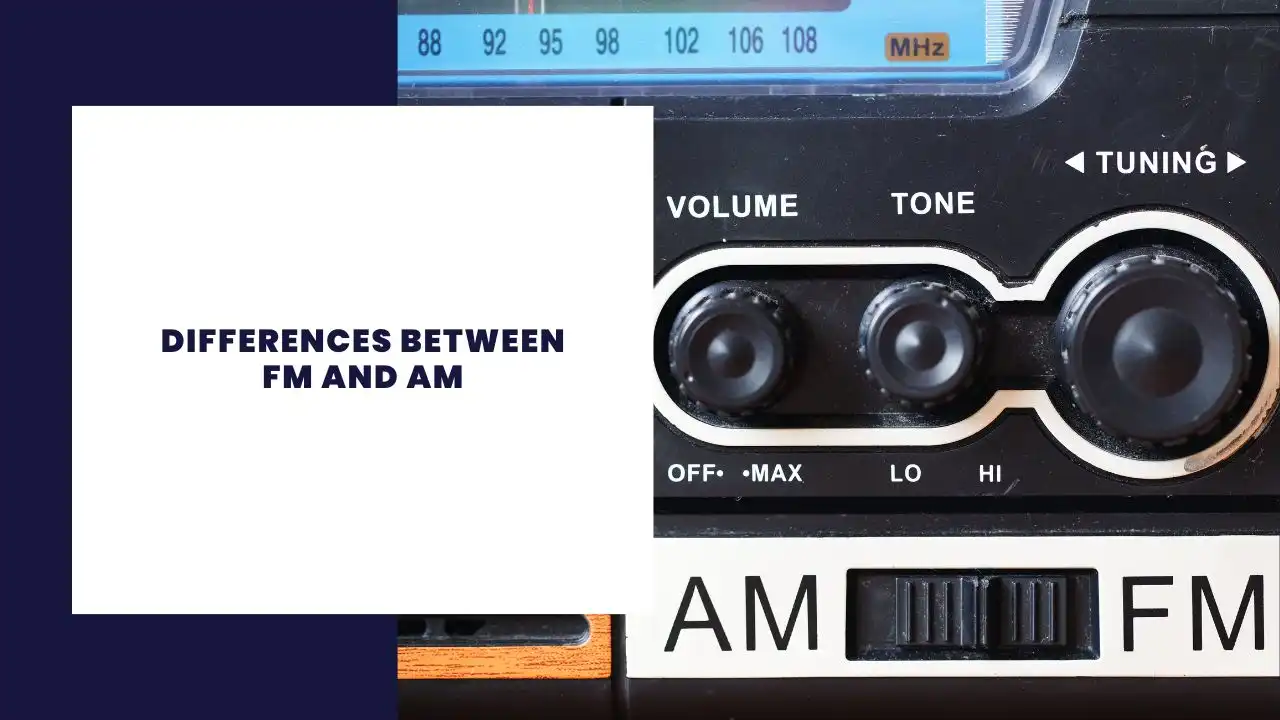
The fundamental difference between AM (Amplitude Modulation) and FM (Frequency Modulation) lies in how they encode information into a carrier wave. AM radio modulates the amplitude of the carrier signal while keeping the frequency constant. In contrast, FM radio modifies the frequency of the carrier wave while maintaining a consistent amplitude. This distinction directly affects the quality and reliability of the transmission.
Sound Quality
FM radio is known for superior sound quality compared to AM radio. Since FM transmission varies the frequency rather than the amplitude, it is less susceptible to static and interference. This results in clearer and more consistent audio, making FM ideal for music broadcasts. AM radio, on the other hand, often experiences signal degradation due to interference from electrical devices and atmospheric conditions, leading to lower sound quality.
Frequency Range and Bandwidth
AM radio operates within the 530 kHz to 1700 kHz range, whereas FM radio is transmitted within the 88 MHz to 108 MHz band. The bandwidth used by AM signals is typically 5 kHz, which is much narrower compared to FM’s 15 kHz bandwidth. The broader bandwidth of FM allows for higher-fidelity sound and stereo broadcasting, whereas AM is more limited in audio fidelity.
Resistance to Interference
FM signals are less prone to interference than AM signals. AM radio waves are affected by electrical noise from sources such as lightning, power lines, and electronic devices. This interference distorts the amplitude of the signal, leading to poor reception. FM signals, however, are largely unaffected by these disruptions because the frequency changes rather than the amplitude. This makes FM a preferred choice for high-quality audio transmissions.
Transmission Distance
AM radio waves have a longer transmission range than FM waves. AM signals can travel long distances, especially at night, due to their ability to bounce off the ionosphere. This makes AM radio ideal for covering large geographic areas, such as rural regions. FM signals, in contrast, travel in a straight line and are more limited in range. They require more powerful transmitters and additional relay stations to maintain coverage over long distances.
Use Cases and Applications
AM radio is widely used for talk radio, news, and sports broadcasts due to its ability to cover large areas with a single transmitter. Many national radio services and emergency broadcasts rely on AM signals. FM radio, on the other hand, is favored for music broadcasting and entertainment because of its better sound quality and stereo capabilities. Additionally, FM transmission is used in applications like two-way radio communication, aviation, and marine navigation.
Adoption and Technology Advancements
FM technology was invented later than AM and has largely replaced AM for music and entertainment broadcasts. The introduction of digital radio, satellite radio, and HD radio has further improved audio quality and reliability. While AM radio continues to serve essential communication functions, FM remains dominant for high-fidelity audio broadcasts. Additionally, modern car radios, home entertainment systems, and mobile devices are equipped with FM tuners to support this format.
Conclusion
The choice between AM and FM radio depends on the intended use. AM radio excels in long-distance communication and talk-based programming, while FM offers better sound quality and is ideal for music and entertainment. Understanding the differences between AM and FM helps broadcasters and listeners make informed decisions about radio consumption and transmission technology. With advancements in digital radio and satellite broadcasting, both AM and FM continue to play significant roles in global communication.
We use cookies on our website to give you the most relevant experience by remembering your preferences and repeat visits. By clicking “Accept”, you consent to the use of ALL the cookies.
This website uses cookies to improve your experience while you navigate through the website. Out of these, the cookies that are categorized as necessary are stored on your browser as they are essential for the working of basic functionalities of the website. We also use third-party cookies that help us analyze and understand how you use this website. These cookies will be stored in your browser only with your consent. You also have the option to opt-out of these cookies. But opting out of some of these cookies may affect your browsing experience.
Necessary cookies are absolutely essential for the website to function properly. This category only includes cookies that ensures basic functionalities and security features of the website. These cookies do not store any personal information.
Any cookies that may not be particularly necessary for the website to function and is used specifically to collect user personal data via analytics, ads, other embedded contents are termed as non-necessary cookies. It is mandatory to procure user consent prior to running these cookies on your website.