Dia de los Muertos, also known as Day of the Dead celebration, is a vibrant and colorful celebration that honors deceased loved ones.
This Mexican holiday is celebrated on November 1st and 2nd, coinciding with the Catholic feasts of All Saints’ Day and All Souls’ Day.
The traditions and customs of Dia de los Muertos have deep indigenous roots and have been influenced by Aztec beliefs and Catholicism.
Let’s explore the history and significance of this unique celebration.
What is Day of the Dead?
Origins of Dia de los Muertos
The origins of Día de los Muertos can be traced back to pre-Hispanic times when indigenous civilizations in Mexico honored their deceased loved ones. In Aztec culture, death was viewed as a natural part of life and the afterlife was seen as another stage of existence. The Aztecs believed that during Dia de los Muertos, the souls of the dead would return to the land of the living to visit their families.
Significance of Day of the Dead
Day of the Dead holds great cultural and spiritual significance for Mexicans. It is a time to honor and remember their ancestors, celebrating their lives and the memories they left behind. Rather than mourning their loss, Dia de los Muertos is a joyful and festive occasion that celebrates the cycle of life and death.
How is Day of the Dead Celebrated?
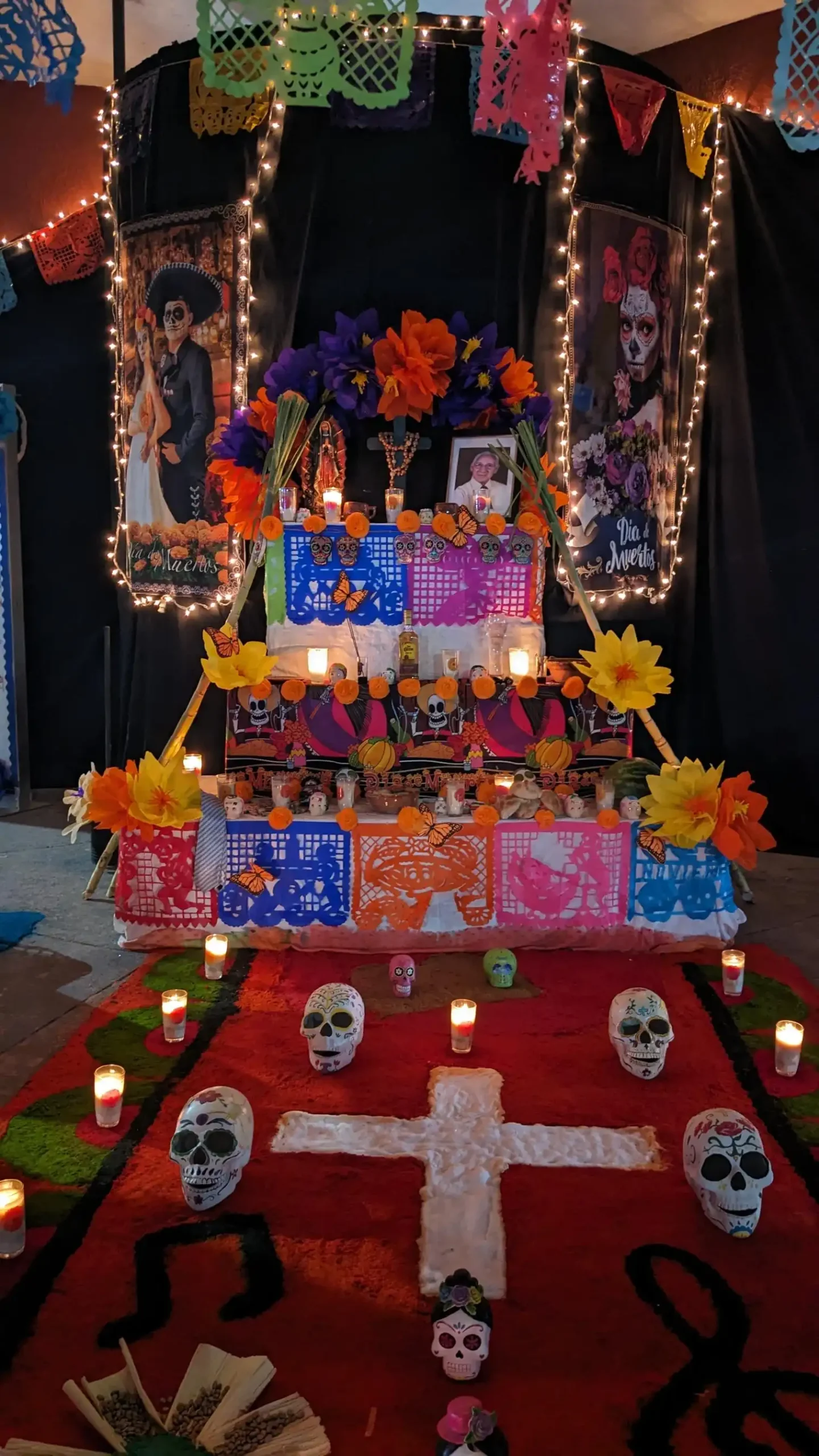
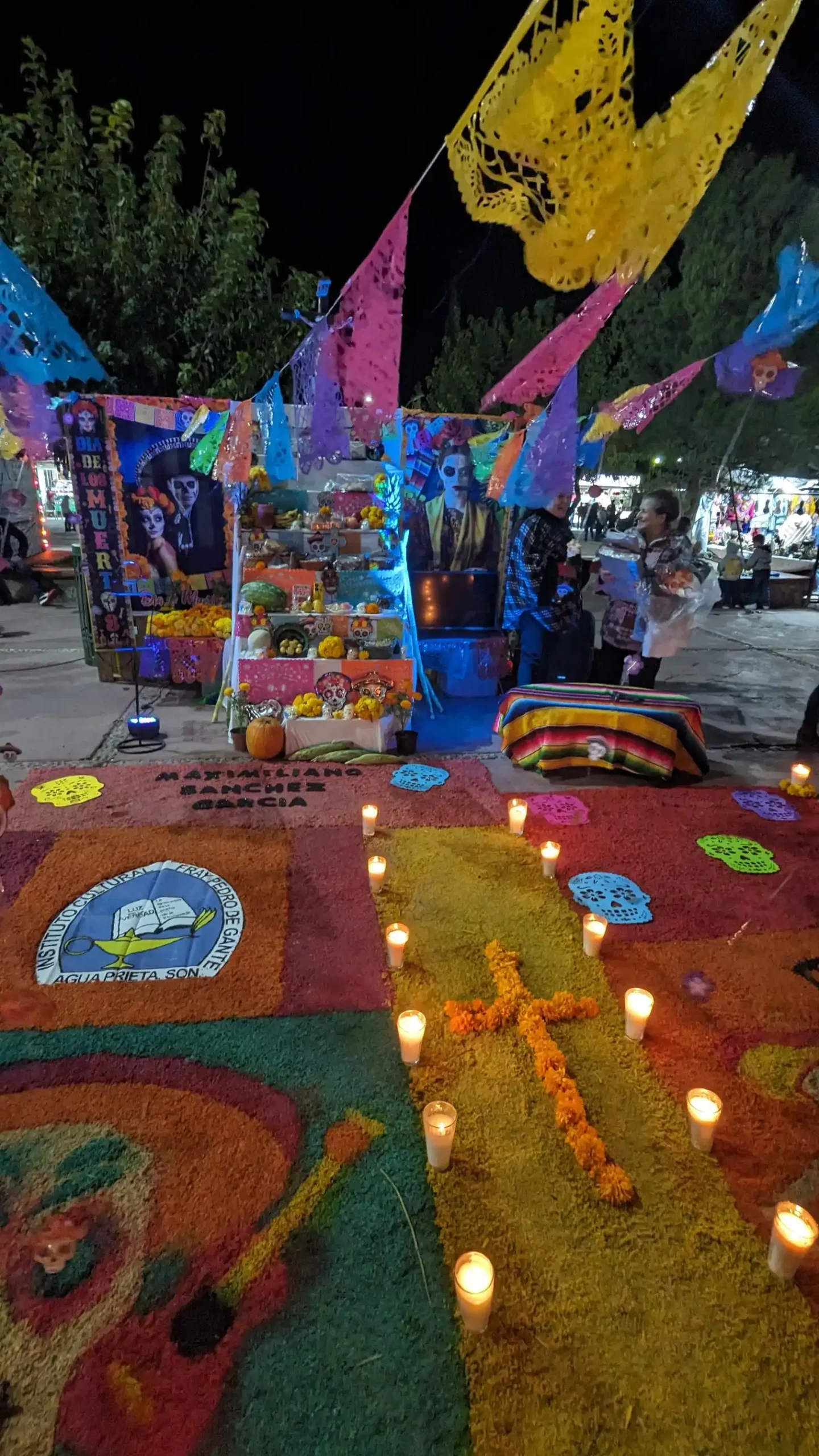
Day of the Dead is celebrated with various rituals and traditions. One of the most important aspects of the celebration is the creation of an altar, known as an ofrenda, to honor the deceased. These altars are adorned with photographs, candles, marigolds, and the favorite foods and drinks of the departed. Families gather at cemeteries to clean and decorate the gravesites, creating a festive atmosphere with music, dancing, and storytelling.
Altar de muertos colegio Anais Agua Prieta Sonora
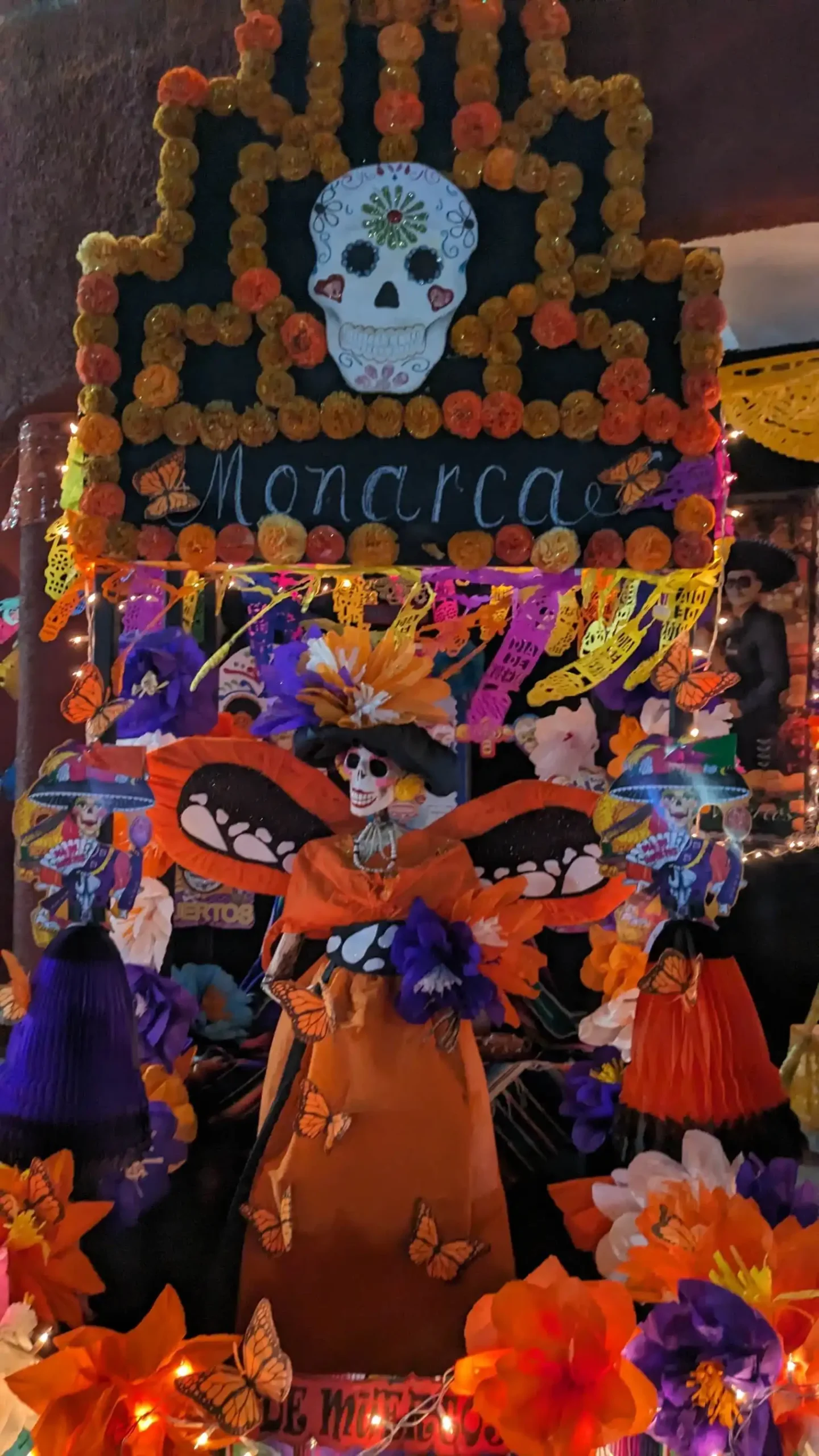
Altar de muertos colegio Anais Agua Prieta Sonora 2
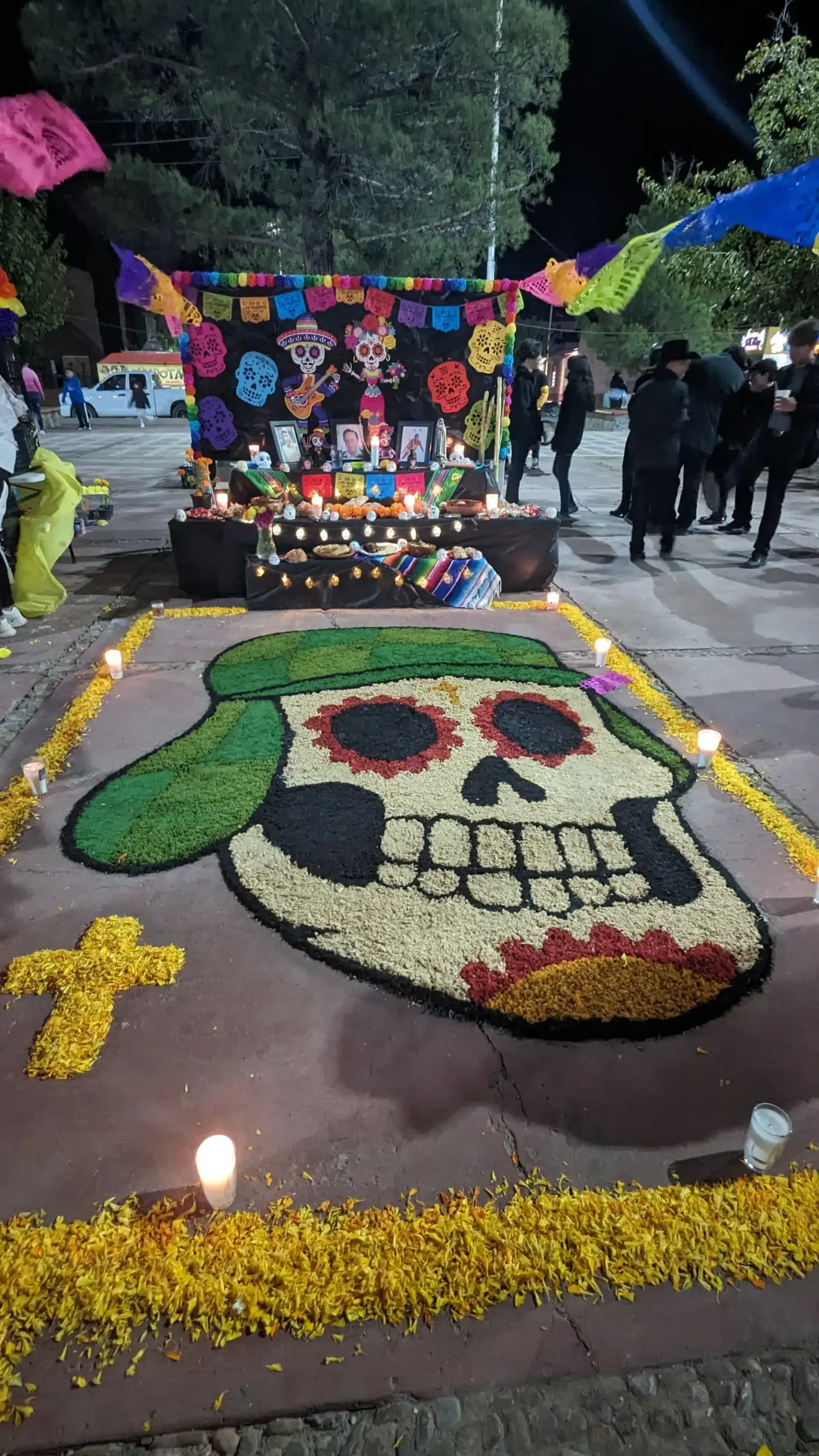
Altar de muertos colegio Benemerito Agua Prieta Sonora
Altar de muertos colegio Benemerito Fray Pedro Agua Prieta Sonora
What are the Traditions of Dia de los Muertos?
Creating an Altar for the Deceased
One of the central traditions of Day of the Dead is the creation of altars dedicated to the deceased. These altars are filled with items and mementos that were significant to the departed, such as photographs, personal belongings, and their favorite foods and drinks. The altars are beautifully decorated with marigolds, candles, and papel picado (elaborate paper cutouts).
The Symbolism of Skulls and Skeletons
Skulls and skeletons are prominent symbols of Dia de los Muertos. They represent the cycle of life and death and serve as a reminder of the impermanence of life. Vibrantly decorated sugar skulls, or calaveras, are used as decorations and offerings on altars. Skeleton figurines, known as calacas, are also popular during the festivities.
Pan de Muerto, the Bread of the Dead
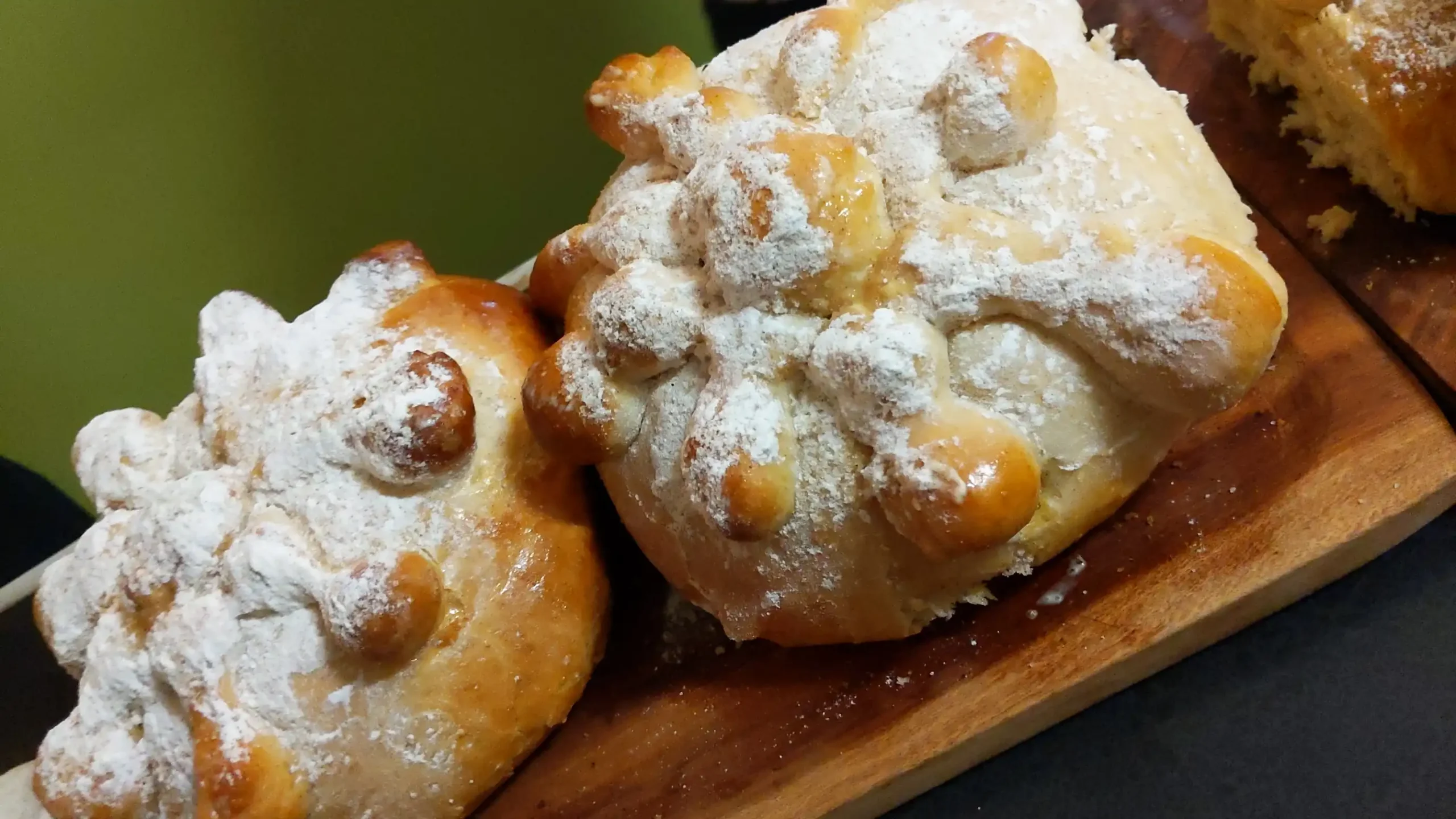
Pan de Muerto, or Bread of the Dead, is a traditional sweet bread that is baked and enjoyed during Dia de los Muertos. The bread is often shaped like a skull or a person and is adorned with sugar. It is believed that by consuming the bread, the living can symbolically share a meal with their departed loved ones.
Pan de muerto Agua Prieta
How is Day of the Dead Celebrated Outside of Mexico?
Day of the Dead in Different Countries
While Dia de los Muertos originated in Mexico, it has also spread to other countries with Mexican communities. In places like the United States, Guatemala, Brazil, and Spain, Mexicans and people of Mexican descent continue to celebrate this vibrant tradition. The customs may vary slightly, but the essence remains the same – honoring and remembering the departed.
Day of the Dead Festivities in the United States
In the United States, especially in cities with large Mexican populations, Day of the Dead festivities have become increasingly popular. In cities like Los Angeles, San Francisco, and Chicago, colorful parades, art exhibitions, and community events are organized to celebrate the holiday. These celebrations often incorporate elements of Mexican culture, such as traditional music, dance, and food.
Incorporating Day of the Dead Traditions in Other Cultures
As Dia de los Muertos gains recognition worldwide, people from different cultures have started to incorporate some of its traditions into their own celebrations of life and death. The idea of honoring and remembering loved ones, creating altars, and engaging in meaningful rituals resonates with people across cultures.
What are the Prominent Symbols of Day of the Dead?
The Role of Marigolds in Day of the Dead
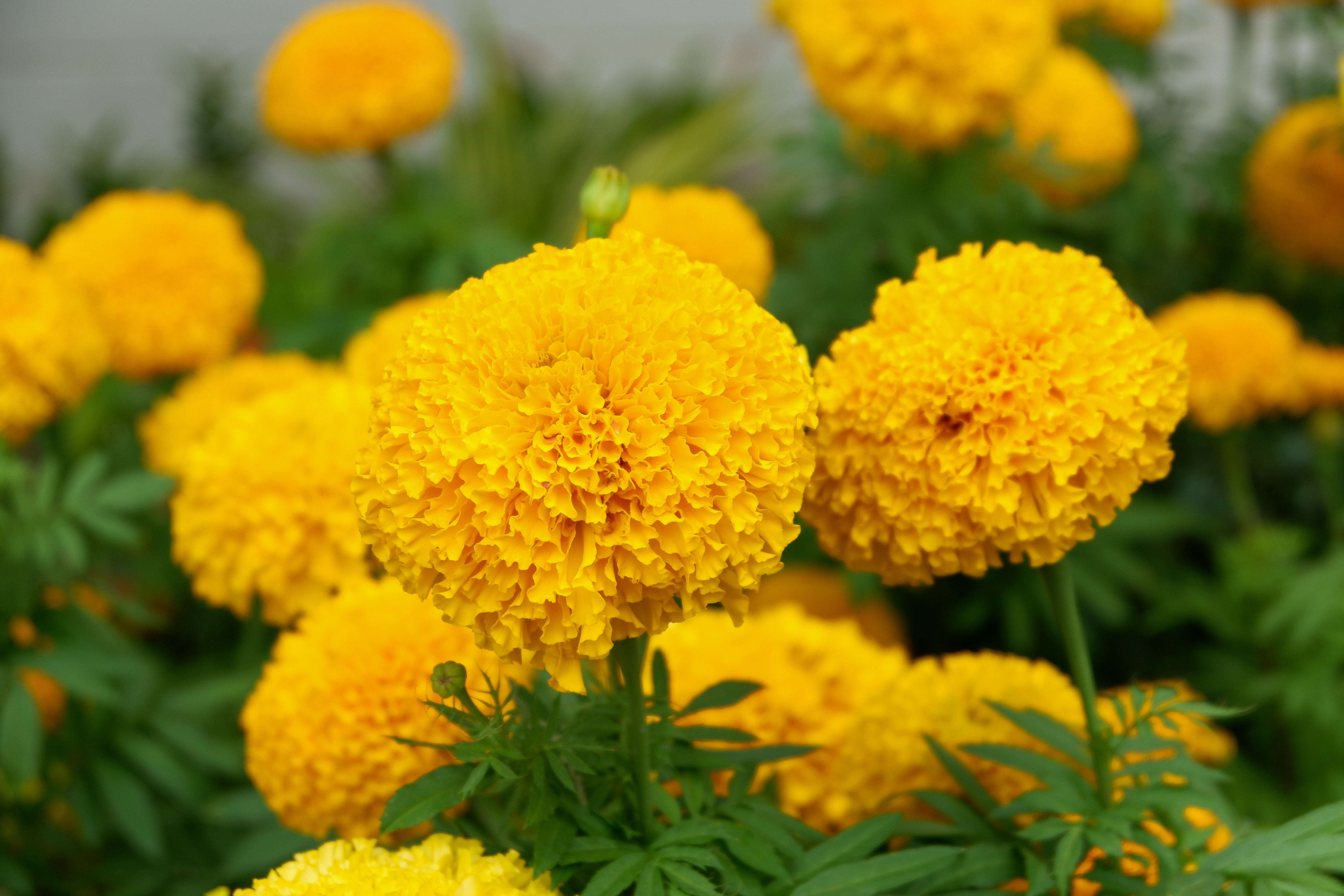
Close up Marigold flowers in the garden
Marigolds, or cempasúchil in Spanish, hold great significance in Dia de los Muertos. These vibrant orange flowers are believed to guide the spirits of the dead back to their loved ones. They are used to decorate altars, gravesites, and public spaces during the celebrations, creating a visually stunning display.
Sugar Skulls and Their Meaning
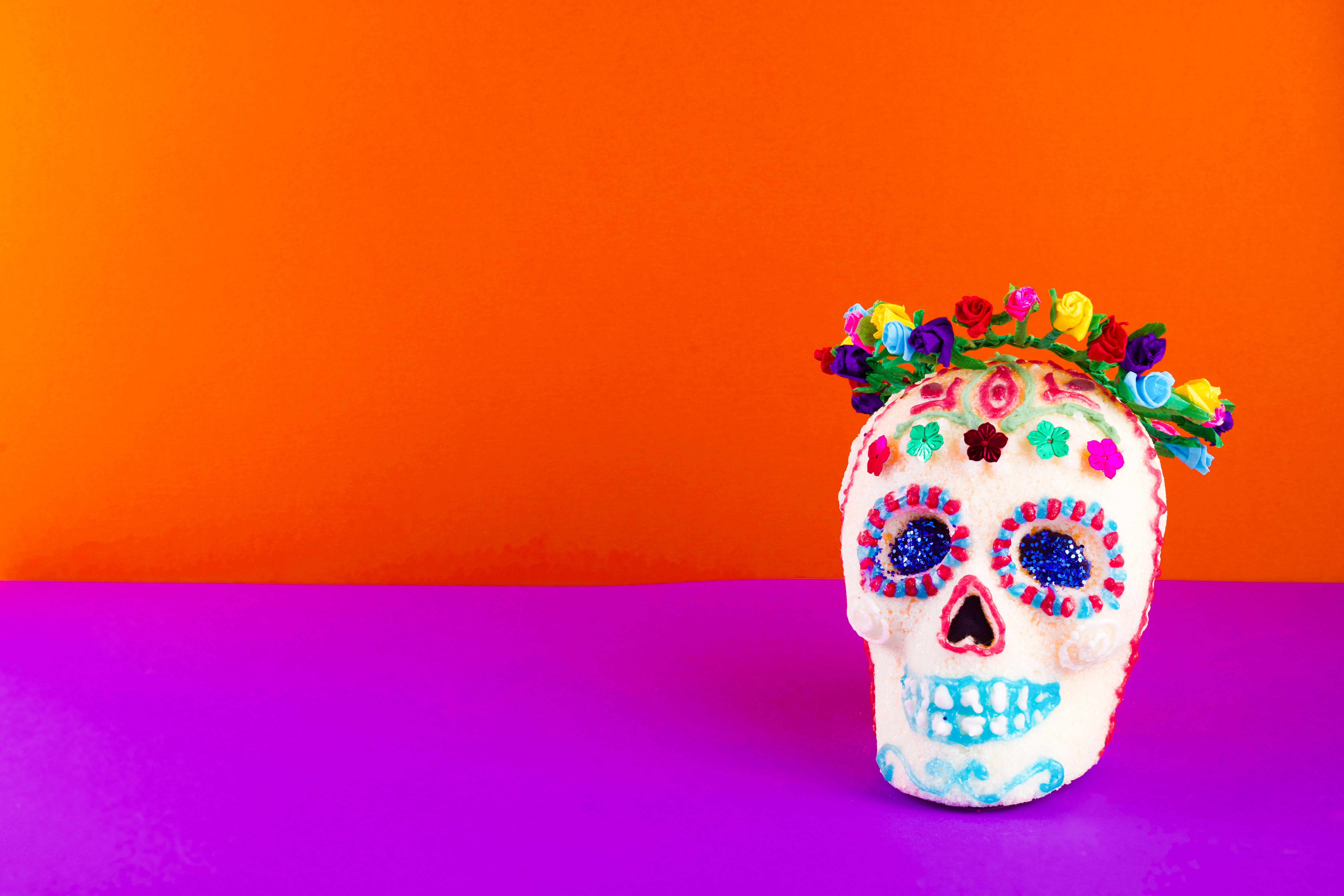
Mexican sugar skull for dia de los Muertos, Day of the Dead.
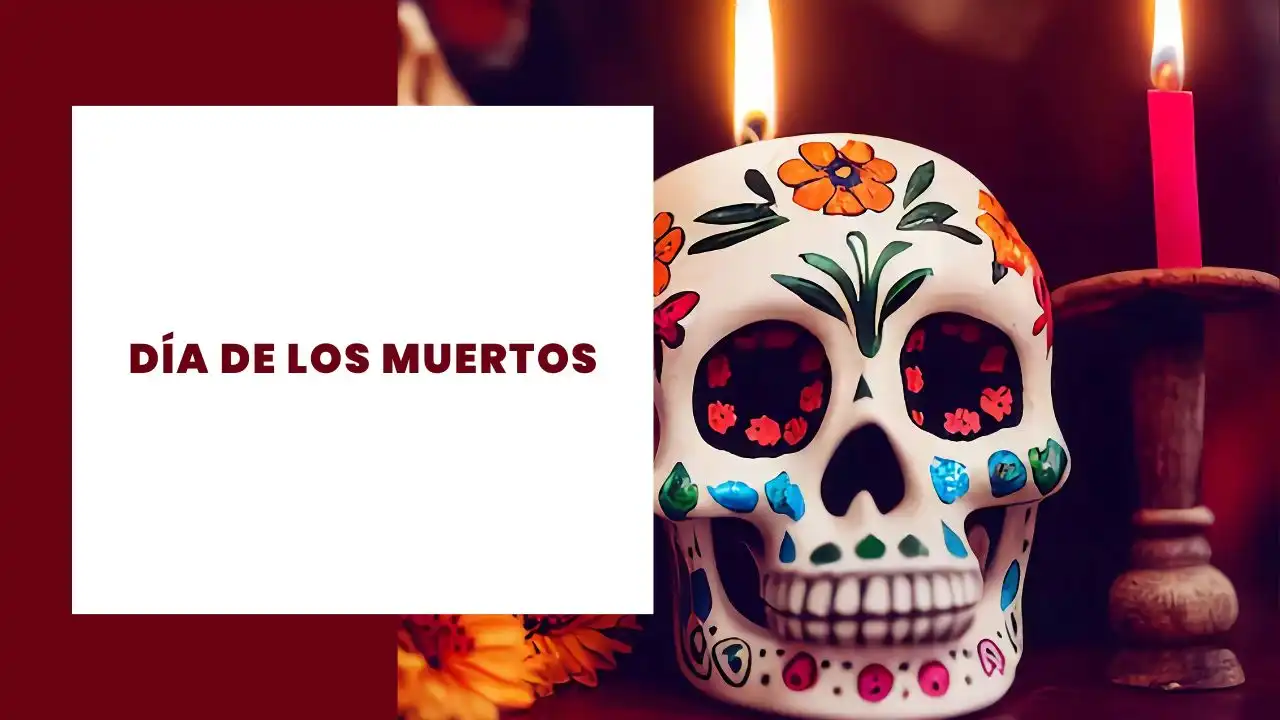
Sugar skulls, or calaveras de azúcar, are one of the most recognizable symbols of Day of the Dead. These intricately decorated skulls made from sugar are used as offerings and decorations. They are often personalized with the names of the departed and serve as a joyful reminder of their lives. Sugar skulls are also popular as decorative items and are widely used in art and crafts.
Catrinas: Elegant Skeleton Figures
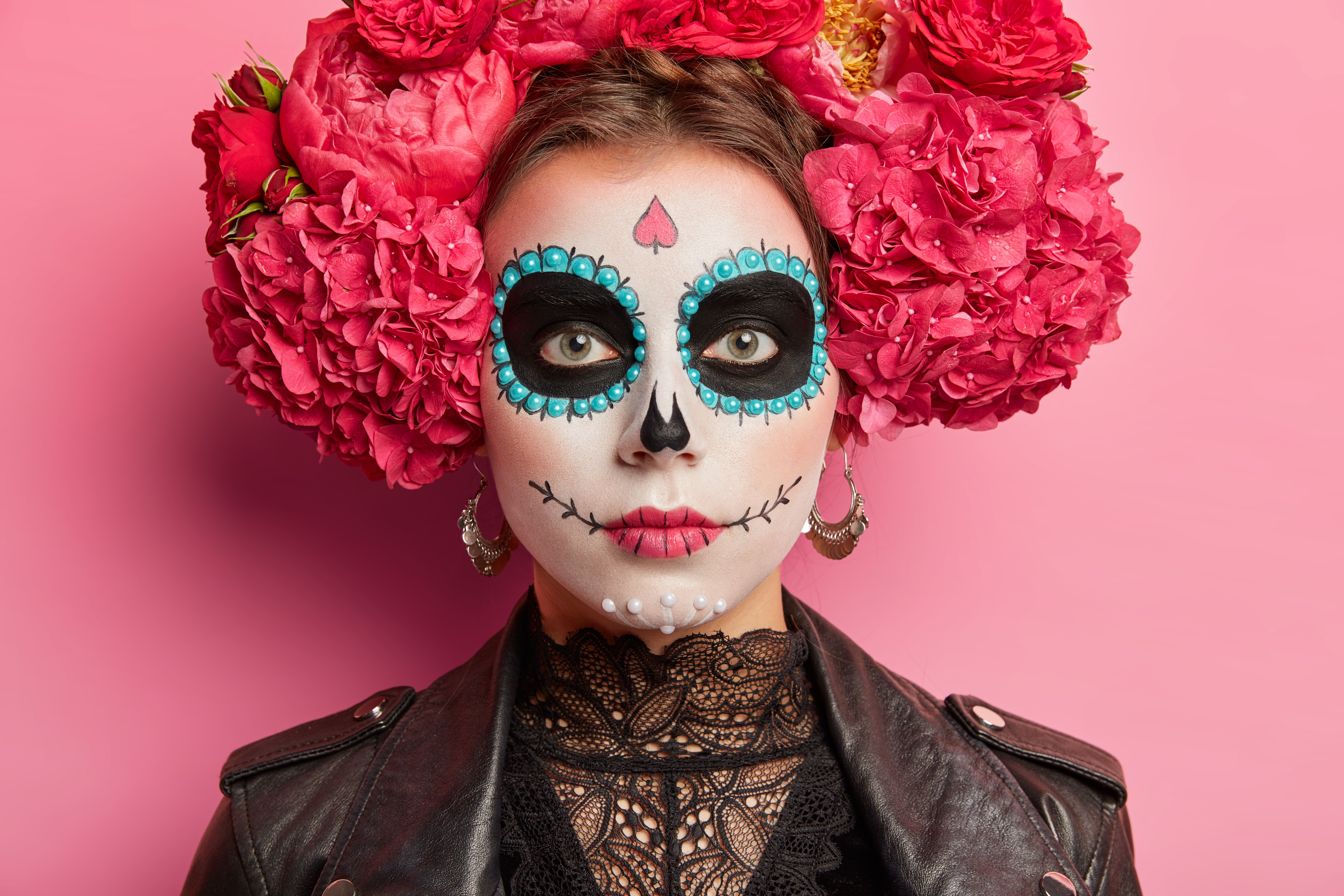
Close up shot of serious woman catrina celebrates halloween or day of death wears peonies wreath and
Another iconic symbol of Dia de los Muertos is La Catrina. This elegant skeleton figure, typically depicted as a well-dressed woman wearing a fancy hat, is a satirical portrayal of death. La Catrina was created by Mexican artist José Guadalupe Posada and has since become a cultural icon associated with Day of the Dead.
The History and Origins of Dia de los Muertos
Pre-Hispanic Roots of Day of the Dead
Before the arrival of the Spanish conquistadors, indigenous civilizations in Mexico had rich traditions surrounding death and the afterlife. The Aztecs, in particular, had elaborate rituals and ceremonies to honor the deceased. Dia de los Muertos can be seen as a continuation of these pre-Hispanic practices, fused with Catholic religious beliefs brought by the Spaniards.
Influence of Aztec Beliefs on Dia de los Muertos
The Aztec civilization greatly influenced the development of Dia de los Muertos. Aztec beliefs about death and the afterlife, such as the existence of multiple levels of the underworld, the importance of honoring ancestors, and the concept of a cyclical view of time, played a significant role in shaping the traditions and symbolism of the celebration.
The Role of Catholicism in Day of the Dead
When the Spanish colonizers arrived in Mexico, they brought with them Catholicism, which merged with indigenous beliefs and practices. The Catholic holidays of All Saints’ Day and All Souls’ Day, which coincide with Dia de los Muertos, became linked to the indigenous traditions, creating a unique syncretic celebration that blends elements of both belief systems.
We use cookies on our website to give you the most relevant experience by remembering your preferences and repeat visits. By clicking “Accept”, you consent to the use of ALL the cookies.
This website uses cookies to improve your experience while you navigate through the website. Out of these, the cookies that are categorized as necessary are stored on your browser as they are essential for the working of basic functionalities of the website. We also use third-party cookies that help us analyze and understand how you use this website. These cookies will be stored in your browser only with your consent. You also have the option to opt-out of these cookies. But opting out of some of these cookies may affect your browsing experience.
Necessary cookies are absolutely essential for the website to function properly. This category only includes cookies that ensures basic functionalities and security features of the website. These cookies do not store any personal information.
Any cookies that may not be particularly necessary for the website to function and is used specifically to collect user personal data via analytics, ads, other embedded contents are termed as non-necessary cookies. It is mandatory to procure user consent prior to running these cookies on your website.