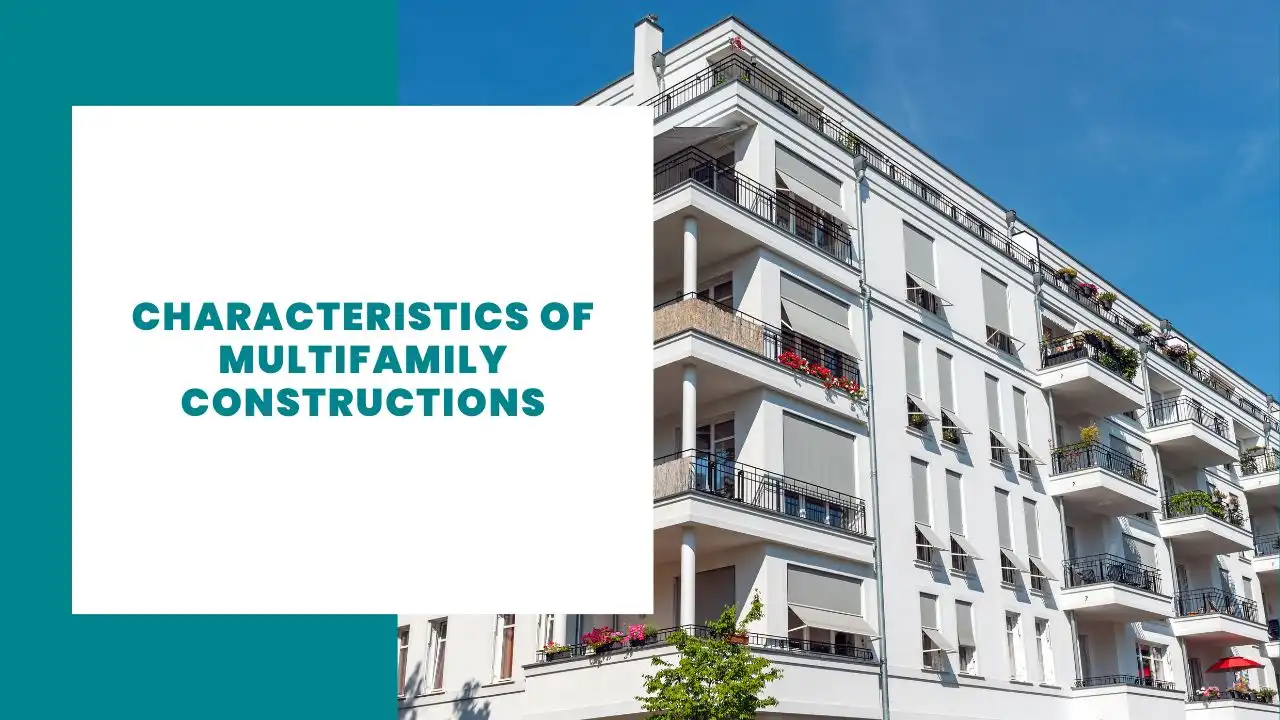
Multifamily construction plays a central role in modern housing development, responding to shifting demographics, urban growth, and the rising cost of homeownership. As housing markets evolve, multifamily housing is often viewed as a practical and cost-effective housing solution that balances density, affordability, and community living. From low-rise townhomes to high-rise apartment complexes, this form of multifamily housing continues to reshape urban and suburban landscapes.
Understanding the defining characteristics of multifamily constructions helps property owners, real estate investors, and developers make informed decisions when planning or evaluating a multifamily construction project.
1. Multiple Housing Units Within One Structure or Complex
A defining feature of multifamily construction is the inclusion of multiple units within a single residential building or a connected complex. Unlike single-family homes, which house one household per structure, multifamily properties are designed to accommodate many tenants under one roof or within a unified development.
Multifamily housing units may include apartments and condominiums, duplexes, triplexes, townhomes, or mixed-use residential buildings. This configuration allows for higher density and more efficient land use, particularly in urban and suburban zones where land availability is limited. Compared to single-family housing, multifamily developments often provide more housing options within the same footprint.
2. Shared Spaces and Common Areas
Another key characteristic that makes multifamily construction unique is the presence of shared spaces. Common areas such as lobbies, hallways, laundry rooms, parking facilities, and outdoor amenities are integral to multifamily residential design.
These communal spaces encourage multifamily living and contribute to fostering a sense of community among tenants. Shared areas like fitness centers, lounges, rooftop decks, and courtyards enhance the overall living space while supporting social interaction. In successful multifamily construction, shared spaces are carefully planned to balance privacy with accessibility.
3. Diverse Types of Multifamily Housing
Multifamily housing encompasses a wide range of residential properties, reflecting different types of development and housing needs. Types of multifamily housing include low-rise apartment complexes, mid-rise residential buildings, high-rise apartment complexes, condominiums, and townhomes.
Each type of multifamily housing is influenced by local zoning regulations, demographics, and demand for rental properties or ownership units. Multifamily developments often include a mix of unit sizes to appeal to singles, families, and seniors, making multifamily housing units adaptable across housing markets.
4. Emphasis on Affordability and Cost Efficiency
Affordability is a core reason driving new multifamily construction. Multifamily housing is often more affordable than single-family homes due to shared infrastructure, lower construction costs per unit, and efficient use of land. Affordable multifamily projects aim to provide cost-effective housing while maintaining quality design and functionality.
Affordable housing and affordable multifamily developments are particularly important in markets experiencing a rising cost of living. By spreading construction costs, utility systems, and maintenance across multiple units, multifamily projects can offer rental and ownership options that are more accessible than single-family and multifamily comparisons often show.
5. Integrated Utilities and Building Systems
Multifamily buildings rely on complex, centralized systems that differ significantly from those found in single-family homes. Plumbing systems, electrical networks, heating and cooling, and shared utility infrastructure must be designed to serve multiple units efficiently.
Energy costs and energy waste are important considerations for multifamily construction projects. Many residential buildings designed today incorporate energy conservation strategies, eco-friendly materials, and smart home technologies to reduce long-term operational costs. Within multifamily developments, shared utility systems can improve efficiency and support sustainable living when properly managed.
6. Compliance With Zoning, Building Codes, and Accessibility Standards
Multifamily construction must comply with strict building codes and local zoning regulations. These requirements govern building height, density, accessibility, parking, fire safety, and structural integrity. High-rise multifamily buildings, in particular, face additional regulatory oversight due to safety and infrastructure demands.
Accessibility is another critical characteristic. Multifamily residential buildings are often required to include accessible units and shared areas that accommodate individuals with mobility challenges. Compliance ensures that multifamily housing development serves diverse populations while meeting legal and safety standards.
7. Investment and Market-Driven Design
Multifamily construction is closely tied to multifamily real estate and commercial real estate investment strategies. Developers and property owners design multifamily projects based on financing options, market demand, and long-term return potential.
Multifamily investment appeals to real estate investors because of steady demand for rental housing, scalability, and diversified income streams. Multifamily developments often respond to housing markets where demand for rental exceeds supply, making multifamily construction a strategic response to population growth, urbanization, and changing lifestyles.
FAQs About Topic
What is considered multifamily construction?
Multifamily construction refers to residential buildings designed to contain multiple housing units within one structure or complex. This includes apartments, condominiums, townhomes, and other multifamily residential properties.
How does multifamily housing differ from single-family homes?
Single-family homes are designed for one household per building, while multifamily housing includes multiple units within a shared structure. Multifamily housing is often more affordable than single-family options and supports higher-density living.
Why is multifamily housing important in urban areas?
Multifamily housing supports efficient land use, meets demand for rental properties, and provides housing options in dense urban zones where space is limited and housing demand is high.
What are common challenges of multifamily construction?
Challenges of multifamily construction include higher upfront construction costs, complex building systems, regulatory compliance, and coordinating shared spaces and utilities across multiple units.
Is multifamily construction a good investment?
Multifamily construction can be attractive for real estate investors due to consistent rental demand, diversified income, and long-term value growth, especially in strong housing markets.
Conclusion of “7 Characteristics of Multifamily Constructions”
Multifamily construction continues to shape the future of housing development by addressing affordability, density, and changing demographics. From shared spaces and integrated utilities to diverse housing types and strong investment potential, the characteristics of multifamily constructions highlight why this form of housing remains essential.
As housing markets evolve and demand for rental and affordable housing grows, successful multifamily construction will depend on thoughtful design, regulatory compliance, and market awareness. Understanding these characteristics helps developers, investors, and communities make informed decisions that support sustainable and inclusive residential growth.