Building a Seamless Employee Journey from Day One: Strategies for Successful Onboarding
Written by
- Redaction Team
- Business Planning, Entrepreneurship
Key Takeaways
- Thoughtful onboarding can boost new hire engagement, retention, and productivity.
- Structured onboarding supports smoother role transitions and organizational integration.
- Modern onboarding leverages technology and inclusive best practices.
- Businesses can benefit from personalizing the onboarding experience for each hire.
- Continuous feedback and support are crucial throughout the employee’s early journey.
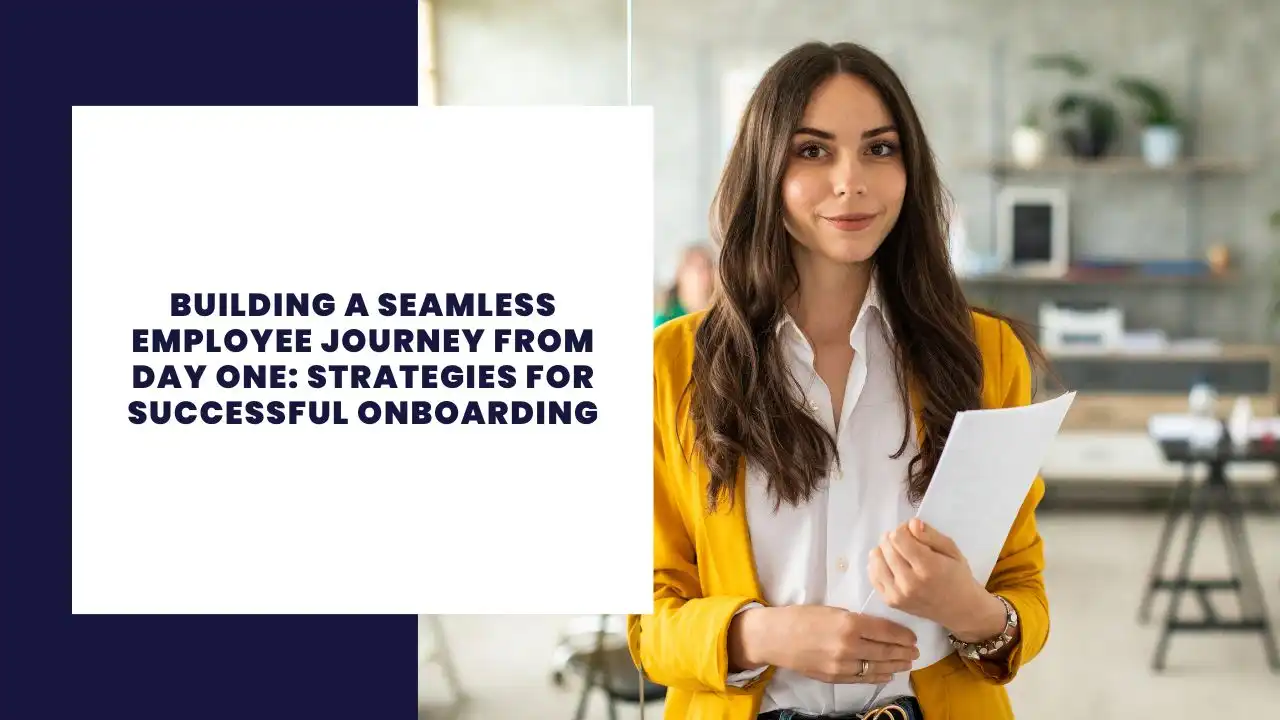
Table of Contents
The Rising Value of Effective Onboarding
Making the first days of a new hire’s journey exceptional is no longer just a box to check; it’s a business necessity. A well-designed employee onboarding strategy not only shortens the time it takes for new hires to feel comfortable and productive but also improves retention and engagement rates. As competition for talent intensifies, organizations of all sizes are placing greater emphasis on seamless onboarding experiences that set clear expectations, foster early connections, and champion company culture from day one. Research consistently shows that effective onboarding can boost retention by up to 82% for new employees. As highlighted by the Society for Human Resource Management (SHRM), robust onboarding is now regarded as foundational for creating an engaged and well-prepared team. Employers who prioritize these experiences see significant results in both morale and long-term performance, making onboarding a vital pillar of modern HR.
Designing a Structured Onboarding Program
Successful onboarding is more than a welcome packet and a whirlwind tour. Structured programs are thoughtfully designed to extend beyond the first week, offering a blend of clear communication, defined role expectations, introductions to colleagues, and easy access to critical resources. Onboarding checklists should be tailored to job level, department, and even remote versus in-person roles, ensuring no important step is overlooked.
Many organizations implement a phased approach for maximum impact:
- Week 1: Welcome, paperwork, and exposure to essential systems and tools.
- Week 2-3: Role-specific training and introductions to team members and cross-functional partners.
- Month 2-3: Setting goals, pairing new hires with mentors, and initiating structured feedback sessions.
This method breaks information into manageable stages, lessening overwhelm and supporting steady acclimation to new responsibilities and the company culture.
How Technology Shapes First Impressions
The rapid shift to hybrid and remote work environments has revolutionized onboarding. Digital solutions such as learning management systems, interactive onboarding portals, and onboarding apps allow HR teams to automate tasks while giving employees everything they need on demand. Features like e-signatures, online training modules, and video introductions help streamline paperwork and build connections, all accessible from day one. Modern onboarding platforms often include personalized dashboards, enabling new hires to track their own progress and complete required actions at their own pace. Companies leveraging these technologies report higher satisfaction levels and faster time-to-productivity, a trend further explored in this Forbes Human Resources Council article.

Championing Inclusivity from the Start
Inclusive onboarding is more than meeting compliance requirements; it’s about fostering belonging from day one. Organizations are increasingly reviewing and refreshing onboarding materials to reflect a range of perspectives and ensure accessibility for all, supporting employees from diverse backgrounds and abilities. Practical steps for inclusive onboarding include pairing new hires with onboarding buddies or mentors, introducing employee resource groups, and making all materials available in multiple languages or accessible formats. By establishing an open, affirming, and equitable atmosphere early on, companies cement the foundation for a positive employee experience and long-term engagement.
Measuring Onboarding Success
Data-driven organizations make the most progress with their onboarding programs. Key performance indicators such as new hire retention, time to productivity, and engagement survey results guide continuous improvement efforts. Regular check-ins with new employees at 30, 60, and 90 days help gather valuable feedback and pinpoint opportunities for change before issues threaten retention. Forward-thinking companies also benchmark their onboarding metrics against industry standards, reinforcing accountability and ensuring competitiveness in the talent marketplace. By capturing both quantitative and qualitative data, leaders can refine their programs to deliver better outcomes for every new hire.
Common Pitfalls and How to Avoid Them
- Information Overload: Bombarding new hires with too much information too soon can create confusion and anxiety. Spread content across several weeks and prioritize the essentials on day one.
- Lack of Personalization: Generic, one-size-fits-all onboarding fails to address individual needs. Tailor content based on roles, locations, and personal learning styles to create a more meaningful experience.
- Poor Follow-Up: Onboarding shouldn’t end after the first week. Maintain structured touchpoints throughout the first 90 days—this keeps employees supported and prevents new hire drop-off.
Leaders can avoid these pitfalls by soliciting regular feedback, assigning role-specific mentors, and investing in adaptive tools that adjust to each employee’s pace and preferences.
Real-World Examples of Onboarding Triumphs
Innovative organizations are finding creative ways to elevate the onboarding experience. For example, a global technology firm introduced a gamified onboarding platform, resulting in significantly higher engagement and knowledge retention among new hires. Meanwhile, a leading manufacturer paired every new employee with a mentor and scheduled structured social introductions, boosting satisfaction and early performance. Other companies have leveraged virtual reality office tours, company podcasts, and mobile-first onboarding tools to ensure remote and hybrid employees feel as connected as their in-office peers. While the methods vary, each story underscores the value of customization and continuous improvement.
Continuous Improvement: Adapting Your Onboarding Process
Onboarding should be viewed as a living program, consistently evolving in response to feedback, new technologies, and shifting workforce needs. Leaders who benchmark practices, review the latest HR trends, and incorporate lessons from employee feedback create onboarding journeys that grow more effective with every new hire. Embracing continual adjustment ensures every employee receives the resources, guidance, and support they need—transforming onboarding from a process into a springboard for long-term success. Ultimately, a seamless onboarding journey doesn’t just welcome employees; it empowers them to contribute, collaborate, and thrive from day one.
More about Digital Business