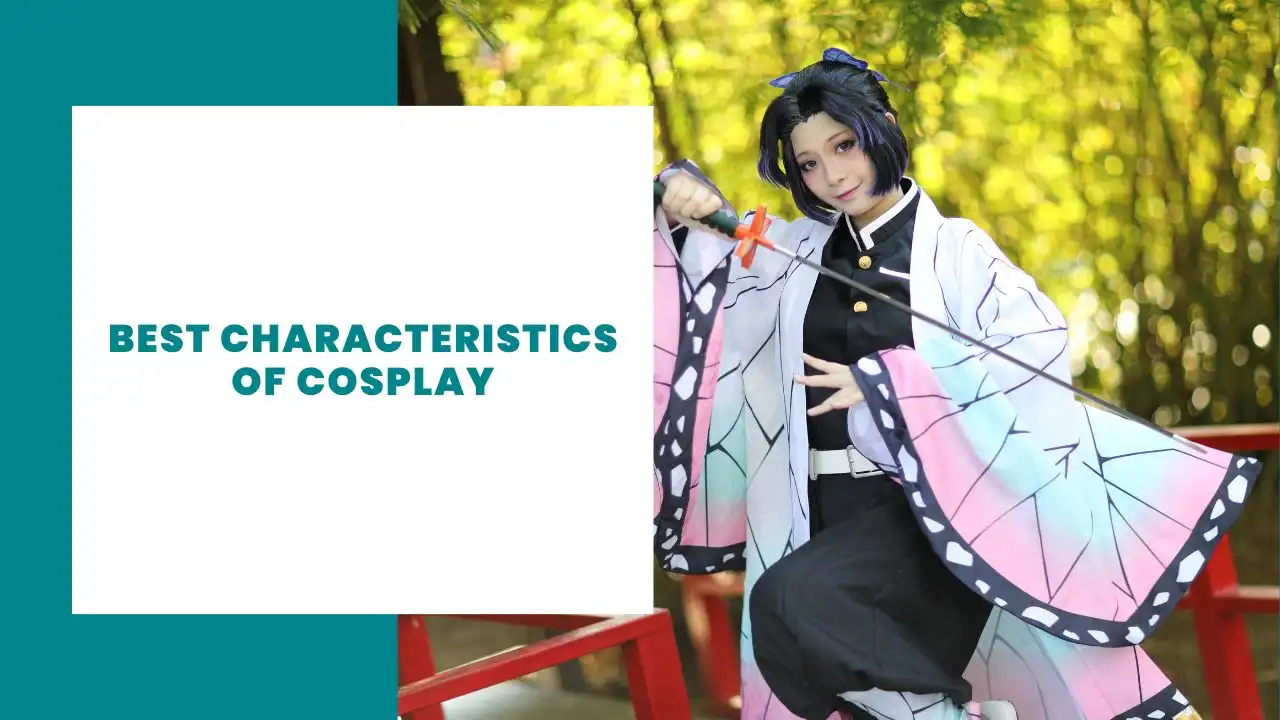
Cosplay is more than simply wearing a costume. It is a creative subculture where people bring fictional characters to life, express their love for a character, and connect with others who share the same fandom. From anime conventions to science fiction conventions, cosplayers transform imagination into reality through design, performance, and craftsmanship.
Whether you want to cosplay for the first time or you are already part of the world of cosplay, understanding what makes great cosplay can help you grow in the craft and enjoy the experience even more. Below are the seven best characteristics that define truly memorable cosplays.
1. Love for the Character
At the heart of every successful cosplay is genuine love for the character. Many cosplayers choose a character to cosplay not because it is popular, but because they feel emotionally connected to that fictional character. This love shows in how carefully they study the character design, the way the character wears their costume, and even the expressions and poses they adopt.
Choosing the character is often the first step for someone interested in cosplaying. When you choose a character you truly care about, the effort of making the costume, practicing poses, and attending conventions becomes enjoyable rather than stressful. This connection also makes it easier to embody the character in photoshoots and while interacting with con-goers.
Cosplay is fun precisely because it allows people to celebrate their favorite character in a personal and creative way.
2. Creativity in Costume and Props
One of the defining traits of great cosplay is creativity. A cosplay costume is not always about buying something ready-made. Many cosplayers make the costume themselves, designing custom costumes that reflect their vision of the character. From sewing fabric to shaping armor with EVA foam, creativity turns raw materials into detailed outfits.
Props also play a major role. A well-crafted prop, whether it is a weapon, accessory, or piece of technology, can make or break your costume. Even a simple wig styled correctly or a handmade detail added by a seamstress can elevate a cosplay from ordinary to extraordinary.
Cosplayers make their costumes in different ways, and there is no single correct approach. What matters is that the final look reflects effort, originality, and a clear understanding of the character.
3. Inclusivity and Body Positivity
A powerful characteristic of the cosplay community is its inclusivity. People cosplay across all ages, genders, and body types. There is no “correct” look for a character, and the idea that you “can’t cosplay” or “shouldn’t cosplay” a character because of your appearance is widely rejected within the community.
Cosplay whatever inspires you. Dressing up as a fictional character is about expression, not perfection. Many cosplayers reinterpret designs, adapt costumes for comfort, or create versions that fit their personal style. This welcoming mindset is a core part of cosplay culture and one of the reasons so many people love to cosplay.
The belief that anyone can start cosplaying, regardless of skill level or experience, makes cosplay an empowering and accessible creative outlet.
4. Craftsmanship and Attention to Detail
Great cosplay is often defined by craftsmanship. Whether you are new to sewing or an experienced maker, attention to detail separates good costumes from unforgettable ones. From the fabric choice to the stitching, from weathering effects on armor to how a character’s accessories are attached, small details bring a cosplay character to life.
Learning new skills is part of the journey. Many cosplayers develop abilities in sewing, painting, sculpting, and even electronics. Others focus on makeup techniques or wig styling. Over time, these new skills allow them to create more complex designs and push the boundaries of what their costumes can achieve.
Craftsmanship is not about being flawless; it is about continuous improvement and pride in what you create.
5. Performance, Posing, and Embodiment
Cosplay does not stop at wearing a costume. Performance is a key part of cosplay, especially at conventions like Comic-Con and anime conventions. How a cosplayer moves, stands, and poses for pictures can transform a costume into a living version of the character.
Posing for pictures, recreating iconic scenes, and interacting in character help embody the personality of the fictional figure. Whether you are at your first convention or your tenth, learning how to present your cosplay adds depth and realism.
For many people, cosplaying at conventions is not just about being seen, but about participating in a shared experience with other fans who recognize and appreciate the character.
6. Community and Shared Fandom
The cosplay community is built on shared passion. People cosplay not in isolation, but as part of a vibrant fandom. From cosplay groups to online platforms like TikTok, cosplayers connect, share progress, exchange tips, and celebrate each other’s work.
Going to conventions such as Comic-Con, anime conventions, or a local science fiction convention brings this community to life. Con-goers gather to admire many costumes, attend photoshoots, and participate in events that celebrate geek culture. Conventions like Comic-Con and anime events offer spaces where people who love the same stories can meet face to face.
This sense of belonging is one of the most rewarding aspects of cosplay. It turns a hobby into a shared experience and makes the world of cosplay feel welcoming and inspiring.
7. Personal Growth and Enjoyment
Perhaps the most important characteristic of cosplay is personal growth. Many people start cosplaying to challenge themselves creatively, to gain confidence, or simply because they love wearing a costume. Along the way, they learn new skills, make friends, and discover new ways to express themselves.
Reasons for cosplaying vary widely. Some enjoy building elaborate custom costumes. Others love posing for pictures or recreating scenes from their favorite anime. Some people cosplay casually, while others dedicate months to a single project. No matter the approach, the joy of putting on a costume and stepping into another world is what keeps people coming back.
Cosplay is fun, and that joy is what defines the experience more than any technical detail.
FAQs About Topic
What counts as cosplay?
Cosplay generally means dressing up as a fictional character from anime, comics, video games, or other media. Whether you make your own outfit or wear a store-bought costume, if you are intentionally portraying a character, it can count as cosplay.
Do I need to make my own costume?
No. Many cosplayers create their own costumes, but buying or commissioning a cosplay costume is also common. What matters is how you express the character and enjoy the experience.
Can I cosplay a character even if I don’t look like them?
Yes. The cosplay community encourages people to cosplay regardless of body type, gender, or background. You should choose a character you love, not one you feel limited to by appearance.
Is cosplay only for conventions?
No. While many people cosplay at conventions like Comic-Con or anime conventions, others enjoy photoshoots, social media, themed events, or even casual gatherings. You can cosplay wherever it feels fun and appropriate.
How do I start cosplaying?
Start by choosing a character you love. Look at reference images, decide whether to make or buy your costume, and focus on enjoying the process. Your first convention or event can be a great way to connect with others and gain confidence.
Conclusion of 7 Best Characteristics of Cosplay
Cosplay is a creative, inclusive, and deeply personal form of expression. The best characteristics of cosplay—love for the character, creativity, inclusivity, craftsmanship, performance, community, and personal growth—define what makes this subculture so meaningful to millions of fans worldwide.
Whether you are interested in cosplaying for the first time or planning your next cosplay, these traits remind us that cosplay is not about perfection. It is about passion, connection, and the joy of bringing beloved characters to life through imagination and effort.