
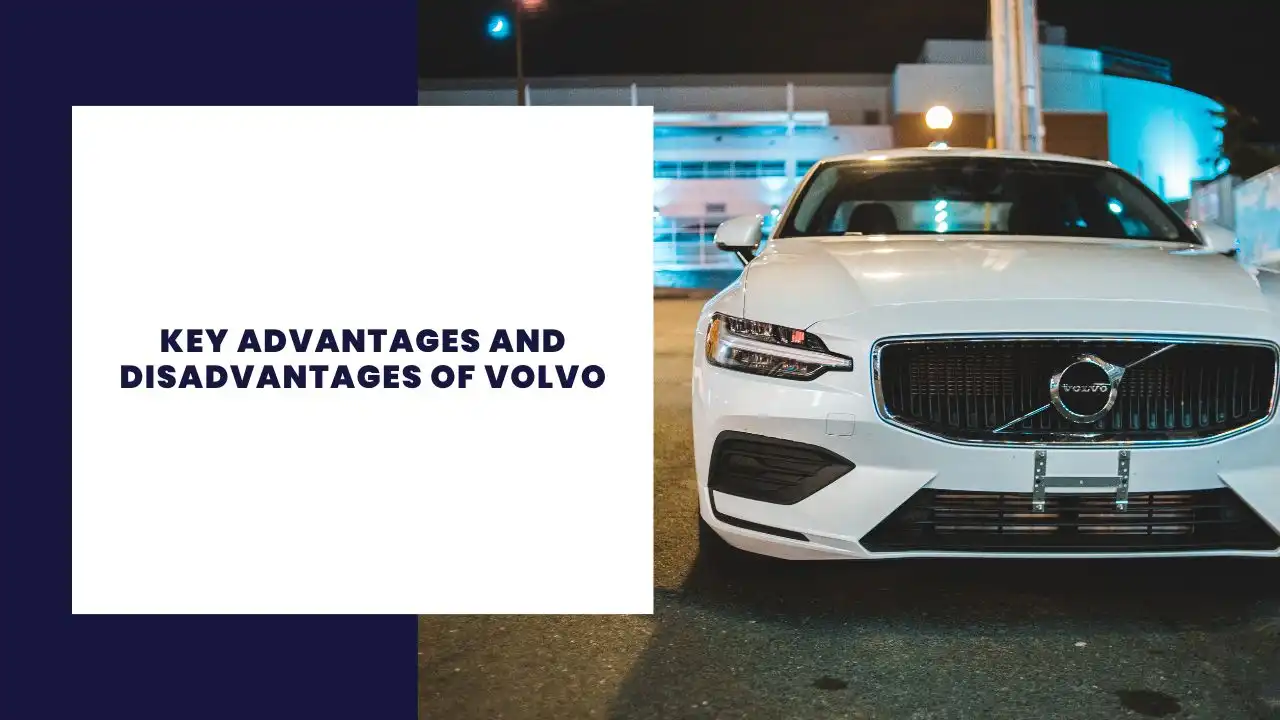
14 Key Advantages and Disadvantages of Volvo
Volvo is one of the most respected names in the automotive industry, well-known for its exceptional safety standards, refined design, and Scandinavian engineering. For decades, the Volvo brand has maintained a reputation for creating vehicles that balance style, comfort, and durability. Whether it’s the luxury SUV Volvo XC90, the popular mid-size Volvo XC60, or the elegant Volvo V60, the company offers a diverse lineup to cater to different driving preferences.
As the car market evolves with hybrid and electric vehicle options like the Volvo XC60 plug-in hybrid, Volvo XC40 Recharge, and the all-electric Volvo EX90, buyers are faced with a range of choices that combine new technologies with timeless safety features. However, like any car manufacturer, there are both pros and cons to buying a Volvo, whether as a new vehicle or a used Volvo.
This guide explores the advantages and disadvantages of Volvo, highlighting both its strengths and its drawbacks, and how they compare in the ever-changing landscape of 2024 and 2025 Volvo models.
Written by
- Redaction Team
- Business Planning, Entrepreneurship
Table of Contents
What is Volvo?
Volvo is a Swedish automotive manufacturer, originally founded in 1927 in Gothenburg, Sweden. Known globally for its commitment to safety, Volvo is a pioneer in introducing advanced safety features such as emergency braking systems, lane-keeping aids, and collision avoidance technology.
The brand offers a wide variety of vehicles including sedans, wagons, SUVs, plug-in hybrids, and fully electric EVs. Popular models include the Volvo XC60, Volvo XC90, Volvo V60, Volvo V70 XC, and the Volvo XC40 Recharge. The company is also working toward a fully electric future, aiming to sell only EVs by 2030.
Volvo is known for blending Scandinavian design, practical utility, and innovative powertrains, making it a popular choice for families, car enthusiasts, and those seeking a premium yet safe driving experience.
Advantages of Volvo
1. Exceptional Safety Features
Volvo is known for its exceptional safety record, offering standard features like emergency braking, blind-spot monitoring, and advanced driver assistance systems. These are not just marketing points—Volvo’s innovations have influenced safety standards across the industry.
2. Wide Range of SUVs and Models
From the compact Volvo XC40 to the luxury SUV Volvo XC90, Volvo offers SUVs, sedans, and wagons to fit various lifestyles. The Volvo XC60 remains one of the brand’s most balanced options for city driving and family use.
3. High-Quality Interior and Comfort
Volvo’s all-new interiors combine Scandinavian elegance with premium materials. Features such as heated seats, spacious layouts, and intuitive infotainment systems make every drive comfortable.
4. Hybrid and Electric Options
Models like the Volvo XC60 plug-in hybrid, Volvo XC40 Recharge, and the Volvo EX90 provide eco-friendly alternatives to traditional petrol or combustion engine powertrains. These vehicles cater to the growing EV market and offer lower emissions.
5. Strong Resale Value for Certain Models
While depreciation affects all vehicles, some Volvo models like the XC90 and V60 hold their value better than others in the used cars market.
6. Choice for Families
Spacious cabins, advanced safety features, and multiple SUVs in the lineup make Volvo a top choice for families looking for security and practicality.
7. Scandinavian Design Aesthetic
Volvo’s minimalist yet luxurious styling appeals to those who appreciate modern design without excessive flash, competing well with BMW, Audi, and Mercedes.
Disadvantages of Volvo
1. Higher Purchase Price
New Volvo models, especially luxury SUVs like the XC90 or the all-new XC90 Ultra Black Edition, can be expensive compared to other brands in the same segment.
2. Depreciation Concerns
While certain models hold value well, others—especially sedans and less popular trims—may experience significant depreciation after purchase.
3. Maintenance and Repair Costs
Volvo’s premium engineering and parts can result in higher repair and servicing costs, especially at dealerships.
4. Limited Performance Compared to Sportier Rivals
While Volvo powertrains are efficient and reliable, they often lack the high-performance feel of certain BMW, Audi, or Mercedes models.
5. Availability of Parts for Older Models
For older vehicles like the Volvo XC70 or V70, finding original parts may be more challenging, leading to higher costs or longer wait times.
6. Monthly Payments for New Models
Leasing a new Volvo or financing options may result in higher monthly payments compared to competitors, especially for all-electric or plug-in hybrid models.
7. Technology Learning Curve
With new technologies and infotainment updates, some users may find Volvo’s advanced systems slightly complex to navigate without guidance from sales representatives or during a test drive.
Comparison Table of the Previous Advantages and Disadvantages of Volvo
| Advantages | Disadvantages |
|---|---|
| Exceptional safety features | Higher purchase price |
| Wide range of SUVs and models | Depreciation concerns |
| High-quality interior and comfort | Maintenance and repair costs |
| Hybrid and electric options | Limited performance compared to rivals |
| Strong resale value for certain models | Availability of parts for older models |
| Choice for families | Higher monthly payments |
| Scandinavian design aesthetic | Technology learning curve |
The Future of Volvo
By the end of 2024 and into the 2025 model year, Volvo plans to expand its EV lineup with more all-electric options like the Volvo EX90 and refresh existing models with new technologies. The 2025 Volvo models will further emphasize sustainable materials, advanced safety innovations, and improved mileage for both hybrid and EV powertrains.
Volvo also aims to strengthen its presence in the electric vehicle market with competitive offerings that rival the likes of the Audi Q5 e-tron, Mercedes GLC EV, and BMW iX series. With the rise of EVs, the brand’s dedication to safety and sustainability positions it well for future success.
FAQs About Volvo
Yes, especially if you value safety, comfort, and modern design. However, buyers should weigh the advantages and disadvantages before committing.
The Volvo XC60 remains a favorite among buyers, offering a balanced mix of performance, comfort, and advanced safety features.
Yes, Volvo offers EVs like the Volvo XC40 Recharge and Volvo EX90, alongside plug-in hybrid options.
Volvo emphasizes safety and design over sportiness, making it an excellent choice for families and daily commuting, while German brands often focus more on performance.
A used Volvo can be a smart choice if it has been well maintained, but buyers should be aware of potential repair costs and depreciation.
Conclusion of Advantages and Disadvantages of Volvo
Volvo remains a standout brand in the automotive world, offering a unique mix of safety, design, and technological innovation. From the versatile XC60 to the luxurious XC90 and the efficient plug-in hybrid models, Volvo caters to a wide audience looking for premium vehicles with exceptional safety features.
However, potential buyers must also consider the higher purchase prices, potential depreciation, and ongoing maintenance costs. Whether you opt for a new Volvo, a used Volvo, or an all-electric EV from their growing lineup, understanding the pros and cons can help ensure the right choice for your needs in 2024, 2025, and beyond.
More about Business Planning