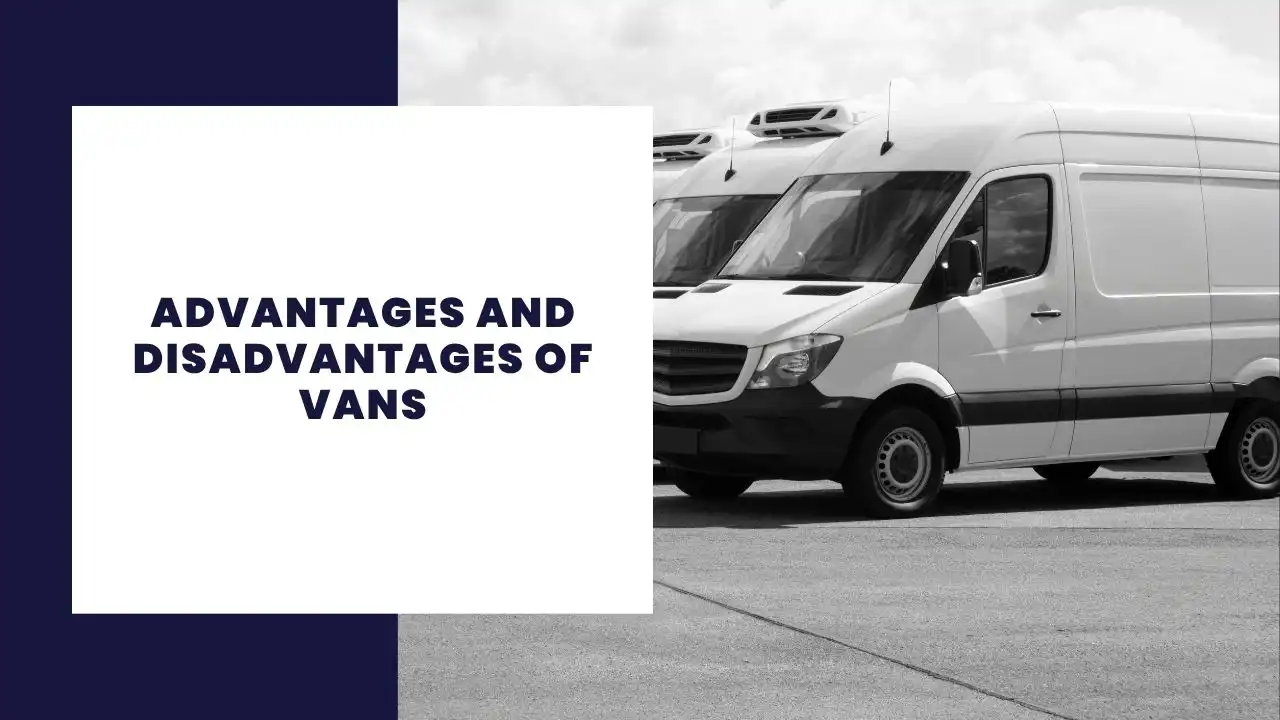
Vans have become an integral part of both commercial and personal transportation. From small businesses needing to deliver goods to families requiring spacious vehicles for travel, vans offer a unique blend of utility and comfort. However, like any vehicle type, vans come with their own set of benefits and drawbacks. Understanding these can help potential buyers or users make informed decisions about whether a van suits their specific needs.
What is a Van?
A van is a type of motor vehicle designed primarily for transporting goods or people. Unlike cars, which are typically designed for personal use, vans tend to offer more space and flexibility. They come in various sizes, from small cargo vans to large passenger vans, and are commonly used by businesses, families, and recreational users. Vans often feature a box-like shape, maximizing interior volume, and can be configured for different purposes, such as carrying passengers, goods, or specialized equipment.
Advantages of Vans
1. Spacious Interior
One of the most significant advantages of vans is their generous interior space. This makes them ideal for transporting multiple passengers or bulky goods. Whether it’s a large family heading on a road trip or a business delivering supplies, the ample room provides comfort and convenience that smaller vehicles cannot match.
2. Versatility and Customization
Vans are incredibly versatile. They can be customized with different seating arrangements, storage solutions, or specialized equipment. This adaptability allows users to tailor the vehicle to specific needs, such as converting a van into a camper for recreational use or outfitting it with shelving and racks for commercial purposes.
3. Enhanced Cargo Capacity
Compared to sedans and SUVs, vans offer superior cargo capacity. This makes them a preferred choice for businesses that require regular transportation of goods, tools, or equipment. The ability to transport large or awkwardly shaped items easily can improve operational efficiency.
4. Comfortable Passenger Transport
Passenger vans provide comfortable seating for many people, often accommodating 7 to 15 passengers. This makes them popular for shuttle services, group travel, or large families. Features like multiple rows of seating, air conditioning vents for rear passengers, and ample legroom enhance comfort for everyone on board.
5. Safety Features
Modern vans often come equipped with advanced safety features such as airbags, anti-lock brakes, stability control, and rearview cameras. These additions help protect both the driver and passengers, making vans a safe option for transporting people and goods.
6. Cost-Effective for Business Use
For businesses, vans can be a cost-effective solution. They often have lower operating costs compared to larger trucks and can be used for multiple purposes, reducing the need for multiple vehicles. Additionally, many vans offer good fuel efficiency relative to their size.
7. Ease of Driving
Despite their size, many vans are designed to be easy to drive, with good visibility and manageable handling. This reduces the learning curve for drivers who may not be accustomed to larger vehicles, making vans accessible to a broader range of users.
Disadvantages of Vans
1. Higher Initial Cost
Vans typically cost more upfront than smaller vehicles such as sedans or compact SUVs. The larger size, specialized features, and added space contribute to a higher purchase price, which can be a barrier for some buyers.
2. Fuel Consumption
Although vans can be more fuel-efficient than larger trucks, they generally consume more fuel than smaller passenger vehicles. This can lead to higher ongoing costs, especially for users who drive long distances frequently.
3. Parking and Maneuverability Challenges
The larger size of vans can make parking difficult, particularly in crowded urban areas or tight parking spaces. Maneuvering in narrow streets or congested traffic may also be more challenging compared to smaller vehicles.
4. Maintenance and Repairs
Vans often have higher maintenance and repair costs than smaller cars due to their size and complexity. Parts can be more expensive, and servicing may require specialized knowledge or equipment, especially for commercial or heavy-duty models.
5. Limited Off-Road Capability
Most vans are designed for paved roads and urban environments. Their size and design typically limit their off-road capabilities, making them less suitable for rugged terrain or outdoor adventures compared to SUVs or trucks.
6. Reduced Fuel Efficiency with Heavy Loads
When fully loaded, vans can experience a significant drop in fuel efficiency. This is particularly relevant for commercial users who regularly transport heavy cargo, increasing operational costs over time.
7. Insurance Costs
Insurance premiums for vans can be higher than for smaller vehicles due to their size, usage, and potential risk factors. This additional cost should be considered when budgeting for a van.
Comparison Table of the Pros and Cons of Vans
| Advantages | Disadvantages |
|---|---|
| Spacious interior | Higher initial purchase cost |
| Versatile and customizable | Increased fuel consumption |
| Enhanced cargo capacity | Parking and maneuverability issues |
| Comfortable for passengers | Higher maintenance costs |
| Advanced safety features | Limited off-road capability |
| Cost-effective for businesses | Reduced fuel efficiency under load |
| Easy to drive | Elevated insurance premiums |
The Future of Vans
The future of vans looks promising, especially with the rise of electric and autonomous vehicle technologies. Electric vans are gaining traction as companies seek to reduce carbon emissions and comply with environmental regulations. This shift not only promises lower operating costs but also quieter and cleaner urban transportation.
Autonomous driving technology could also revolutionize the way vans are used, particularly in logistics and delivery services. Self-driving vans might reduce labor costs and increase efficiency, enabling 24/7 operations without driver fatigue.
Moreover, innovations in lightweight materials and improved aerodynamics are expected to enhance fuel efficiency and performance. As urban populations grow and demand for delivery and passenger transport increases, vans will likely evolve to meet these changing needs with smarter, greener, and more adaptable designs.
FAQs About Vans
1. What types of vans are available?
There are various types of vans, including cargo vans, passenger vans, minivans, and camper vans. Each serves different purposes, from transporting goods to carrying multiple passengers or serving as mobile living spaces.
2. Are vans fuel-efficient?
Vans generally consume more fuel than smaller cars but are more efficient compared to larger trucks. Fuel efficiency varies based on the van’s size, engine type, and load.
3. Can vans be used for off-road driving?
Most vans are designed for paved roads and do not perform well off-road. Specialized 4×4 vans exist but are less common and often more expensive.
4. How safe are vans?
Modern vans come equipped with numerous safety features, making them relatively safe for both passengers and cargo. However, their larger size requires careful driving to avoid accidents.
5. Are electric vans available?
Yes, electric vans are becoming increasingly available as manufacturers focus on sustainable transport solutions. They offer lower emissions and operating costs and are especially popular in urban delivery services.
Conclusion of Advantages and Disadvantages of Vans
Vans offer a unique combination of space, versatility, and efficiency, making them valuable assets for both personal and commercial use. Their spacious interiors and customizable configurations cater to a wide range of needs, from family transport to business logistics. However, potential downsides such as higher initial costs, fuel consumption, and maneuverability challenges require careful consideration.
As technology advances, many of the current disadvantages are being addressed through electric powertrains and autonomous features, which promise a more sustainable and efficient future for vans. For anyone considering a van, balancing these advantages and disadvantages against their specific requirements will help ensure the right choice.