
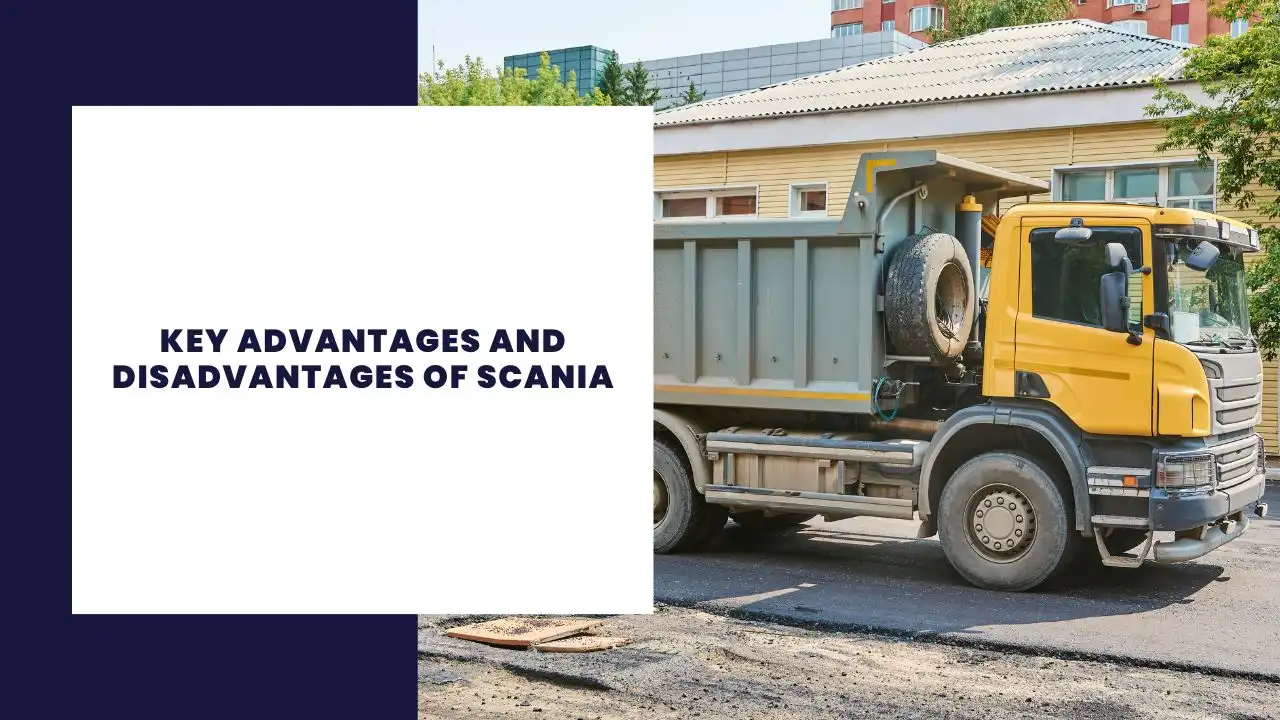
14 Key Advantages And Disadvantages Of Scania
When it comes to truck brands, Scania is among the most respected names in the industry. Known for its powerful engine technology, reliable gearbox, and efficient fuel consumption, Scania trucks have long been regarded as a top choice for long hauls, heavy loads, and professional drivers who prioritize comfort and durability. Competing closely with Volvo, Mercedes-Benz, DAF, Iveco, and Renault, Scania has established itself as one of the best brand names in the market for both cargo transport and buses.
Understanding the advantages and disadvantages of Scania gives drivers, fleet owners, and logistics companies a better idea of whether these trucks are the right fit for their specific needs. From fuel efficiency and torque to maintenance costs and availability of spare parts, evaluating the pros and cons is crucial before making a purchase.
Written by
- Redaction Team
- Business Planning, Entrepreneurship
Table of Contents
What Is Scania
Scania is a Swedish manufacturer of trucks, buses, and engines that has been part of the global transportation landscape since 1891. With a reputation for quality and innovation, Scania produces vehicles equipped for both domestic trips and international transport. Its trucks are especially popular in Europe, where cabovers and tractor units are widely used to handle cargo across different geographic regions.
The company’s range includes V-8 diesel engines delivering up to 480 hp and beyond, advanced automatic transmission systems, and cabins designed for driver comfort on long hauls. Reviews of Scania often highlight the durability of the chassis, the reliability of the turbo technology, and the strength of models such as the 420 and 440 hp trucks.
For many owners at Autoline, Scania represents a high-quality investment in a vehicle that balances fuel efficiency with performance, though like all truck brands, it comes with both benefits and drawbacks.
Advantages of Scania
1. Powerful Engine Performance
A major advantage of using the Scania is its powerful engine options, including the famous V8 diesel and turbo systems. Models like the 440 hp or 480 hp deliver exceptional torque, making them suitable for heavy loads and long hauls.
2. Fuel Efficiency
Scania trucks are known for impressive fuel consumption control. Compared to other European trucks like Volvo and DAF, Scania often provides better fuel efficiency, reducing costs for fleet operators who manage large-scale transport.
3. Comfortable Cabin and Driver Features
The cabin design is another strong Scania pros point. With ergonomic steering wheels, comfortable sleeper areas, and good visibility, drivers find life inside the cab better suited for long journeys than in some American trucks.
4. Reliable Gearbox and Transmission
Scania’s gearbox and automatic transmission systems are praised in reviews and tips from Scania users for their smooth handling. This makes the vehicle easier to drive even under demanding cargo conditions.
5. Durability and Long-Term Value
The strong chassis and build quality ensure that Scania trucks can endure years of service. Many owners at Autoline report that with proper repair and maintenance, Scania trucks maintain their long-term value better than similar truck brands.
6. Euro Standards Compliance
Scania offers trucks that meet Euro 5 and higher specifications, making them compliant with European environmental standards. This is an advantage for companies aiming to reduce emissions while meeting legal requirements.
7. Wide Range of Models
From tractor units and cabovers to buses, Scania provides a diverse lineup. This versatility allows businesses to equip their fleets according to business priorities and industry needs.
Disadvantages of Scania
1. High Maintenance Costs
A notable disadvantage of Scania is the maintenance costs. Though durable, repairs and servicing can be more expensive compared to Iveco or Renault models, especially when replacing parts like battery or gearbox components.
2. Expensive Spare Parts
Scania’s spare parts are often costlier and sometimes harder to source than those for Mercedes or DAF. This can increase downtime for fleets waiting for replacements.
3. Higher Purchase Price
Compared to other truck brands, Scania’s upfront price is higher. For many smaller transport companies, this drawback makes it harder to justify the initial investment despite the long-term benefits.
4. Complexity of Repair
Scania trucks are highly engineered, which makes them harder to service without specialized knowledge. Independent mechanics may struggle, leading owners to rely heavily on authorized centers for repair, further raising costs.
5. Weight Considerations
The strong chassis and cab add weight to the vehicle, which can reduce payload capacity compared to lighter American trucks like Kenworth. This is a disadvantage when maximum cargo capacity is a priority.
6. Mixed Reviews on Company Service
Helpful reviews and tips suggest that after-sales support can vary depending on the geographic region. Some report delays in onboarding or in receiving proper specification updates during repairs.
7. Preference Issues in Certain Markets
While Scania dominates among European trucks, American trucks remain a strong preference in markets like the U.S. Models such as Kenworth and Actros by Mercedes-Benz provide stiff competition, limiting Scania’s reach in those regions.
Comparison Table of the Pros and Cons of Scania
| Advantages | Disadvantages |
|---|---|
| Powerful engine options like V8 diesel | Higher maintenance costs |
| Strong fuel efficiency and fuel consumption control | Expensive spare parts |
| Comfortable cabin and sleeper features | Higher purchase price |
| Smooth gearbox and automatic transmission | Complex repair processes |
| Durable chassis with long-term value | Reduced payload due to heavier build |
| Meets Euro 5 and higher standards | Inconsistent after-sales support |
| Wide range of models (bus, cabover, tractor units) | Limited acceptance in U.S. compared to American trucks |
SWOT Analysis of Scania
Strengths
Scania’s powerful engine, strong fuel efficiency, and high-quality cab designs create a strong reputation. Its compliance with Euro 5 standards and diverse lineup, from trucks to bus units, gives it a competitive edge.
Weaknesses
The biggest weaknesses include maintenance costs, expensive spare parts, and complicated repair processes. Scania trucks are also poorly rated in terms of affordability compared to Iveco or Renault.
Opportunities
Expanding into markets dominated by American trucks could strengthen Scania’s global presence. Investment in alternative fuels and automatic transmission improvements may also enhance fuel efficiency and attract environmentally conscious fleets.
Threats
Competition from Volvo, Mercedes-Benz Actros, and other truck brands poses significant risks. Global market volatility and rising material costs may further challenge Scania’s ability to keep maintenance costs manageable.
FAQs About Scania
Yes, Scania trucks are widely regarded as suitable for long hauls, thanks to their powerful engines, comfortable sleeper cabins, and strong fuel efficiency.
When you compare Scania with Volvo or Mercedes-Benz Actros, Scania often wins on torque and fuel efficiency, while Mercedes offers stronger after-sales networks and Volvo emphasizes driver comfort.
The biggest disadvantage is the higher maintenance costs and expensive spare parts, which increase long-term ownership expenses.
Scania offers a variety of diesel engines, including V8 options delivering 420 hp, 440 hp, and 480 hp, designed for heavy loads and long hauls.
Yes, Scania is a strong option for fleet operators. Despite the pros and cons, its durability and fuel efficiency make it a solid right choice for companies aiming to reduce downtime and maximize productivity.
Conclusion of Advantages and Disadvantages of Scania
Scania has earned its reputation as a best brand among truck brands by combining powerful engine performance with superior fuel efficiency, advanced gearbox options, and driver-friendly cabin designs. These Scania pros make it a top competitor in the European trucks market, especially for long hauls and heavy loads.
However, the disadvantages—including higher maintenance costs, expensive spare parts, and limited presence compared to American trucks—cannot be ignored. Reviews of Scania highlight both the benefits and the challenges, providing an inside look of Scania ownership that is balanced between positive and negative experiences.
Ultimately, understanding the advantages and disadvantages of Scania helps businesses and drivers make informed decisions. Whether choosing Scania for a single vehicle or an entire fleet, the handling and operating quality, combined with fuel efficiency and long-lasting durability, often make it the right choice for professional transport companies worldwide.
More about Business Planning