
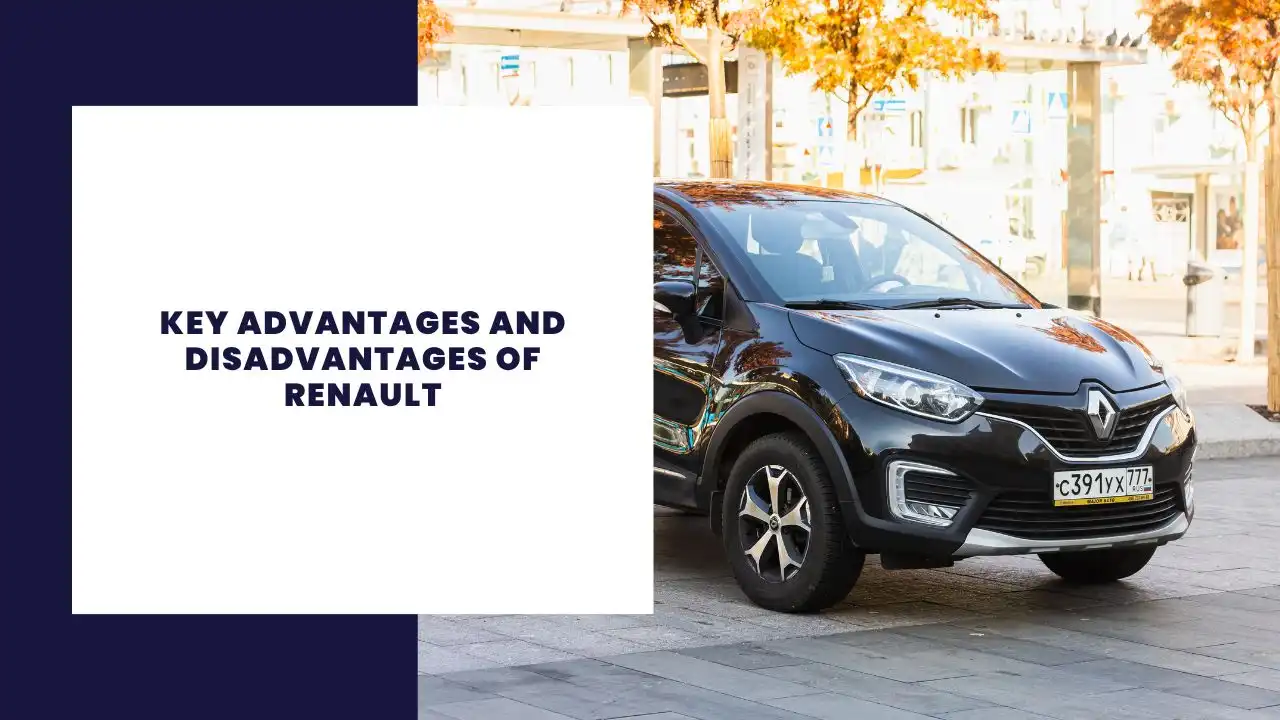
14 Key Advantages and Disadvantages of Renault
Renault is a well-known name in the global automotive industry, offering a range of hatchbacks, SUVs, and sedans known for their modern features, fuel efficiency, and competitive pricing. In markets like India, Renault cars such as the Renault Kwid, Renault Kiger, and Duster have attracted attention from budget-conscious buyers and driving enthusiasts alike.
From entry-level hatchbacks to compact SUVs, Renault has positioned itself as a brand that blends practicality with a dash of style. The company offers multiple petrol engine options, CVT gearbox choices, and safety features like dual airbags, EBD, and ESC, making them a solid competitor to popular brands such as Maruti, Nissan, and others. However, there are also drawbacks that potential buyers should consider before making a purchase.
Written by
- Redaction Team
- Business Planning, Entrepreneurship
Table of Contents
What is Renault?
Renault is a French automotive manufacturer with a long history in producing passenger cars, commercial vehicles, and motorsport technology. The brand’s portfolio includes models that appeal to a wide range of consumers — from the entry-level Renault Kwid hatchback to the Renault Kiger SUV.
Known for offering modern features like touchscreen infotainment systems with Android Auto and Apple CarPlay, Renault has carved out a niche in markets that appreciate value-for-money vehicles. Their cars often boast good mileage, comfortable ride quality, and practical design features such as ample boot space and generous ground clearance. Renault’s collaborations, such as with Nissan on models like the Nissan Magnite, highlight their adaptability in the competitive automotive landscape.
Advantages of Renault
1. Affordable Pricing
Renault has done well to keep the ex-showroom prices competitive, especially in the entry-level and compact SUV segments. This makes models like the Renault Kwid and Renault Kiger appealing to first-time buyers.
2. Good Fuel Efficiency
Many Renault petrol units deliver impressive kmpl figures, especially the 1.0-litre petrol engine in hatchbacks like the Kwid. This makes them suitable for daily commuting and long drives while keeping running costs low.
3. Modern Features
Renault cars come equipped with modern features such as touchscreen infotainment systems, Android Auto, Apple CarPlay, digital instrument clusters, and music systems even in lower trims.
4. Spacious Interiors
Despite a small footprint, Renault’s hatchbacks and SUVs often have good headroom, legroom, and boot space, making them comfortable for passengers and practical for families.
5. Strong Safety Features
Safety features such as dual airbags, ABS with EBD, ESC, and hill hold assist are available in many Renault models, which is impressive in the affordable segment.
6. Comfortable Ride Quality
Renault cars are known for their comfortable ride quality, even on bad roads. The suspension setup is tuned to handle uneven surfaces well.
7. Peppy Petrol Engines
The turbo petrol engine options in models like the Renault Kiger offer a peppy driving experience, especially when paired with a CVT gearbox or Sports mode.
Disadvantages of Renault
1. Average Resale Value
One of the cons of the Renault brand is its impact on resale value. Renault cars tend to depreciate faster than some competitors like Maruti or Hyundai.
2. Plastic Quality in Interiors
Some Renault models have low quality plastics in the cabin, which can feel less premium compared to rivals in the same price bracket.
3. Limited Service Network
While improving, Renault’s service network is still not as extensive as popular brands like Maruti or Hyundai, which may be a disadvantage for buyers in smaller towns.
4. AMT Gearbox Performance
The AMT transmission in certain Renault models can feel jerky compared to CVT or manual gearboxes, affecting the driving experience in stop-and-go traffic.
5. Noise and Vibration Levels
Some petrol engines in Renault cars, especially the smaller units, can produce noticeable noise and vibrations at higher speeds.
6. Feature Gaps in Lower Trims
While top models are well-equipped, lower trims sometimes lack basic modern features, forcing buyers to upgrade to higher variants.
7. Limited Diesel Options
Renault has shifted focus almost entirely to petrol engines, which might not appeal to buyers looking for diesel-powered SUVs for long-distance travel.
Comparison Table of the Advantages and Disadvantages of Renault
| Advantages | Disadvantages |
|---|---|
| Affordable pricing | Average resale value |
| Good fuel efficiency | Plastic quality in interiors |
| Modern features | Limited service network |
| Spacious interiors | AMT gearbox performance |
| Strong safety features | Noise and vibration levels |
| Comfortable ride quality | Feature gaps in lower trims |
| Peppy petrol engines | Limited diesel options |
SWOT Analysis of Renault
Strengths
Affordable and fuel-efficient models
Modern features like advanced infotainment systems
Good ride quality and safety features
Strong presence in entry-level and compact SUV segments
Weaknesses
Average resale value
Limited service reach compared to popular brands
Low quality plastics in some models
Opportunities
Growing demand for compact SUVs and hatchbacks
Expansion of EV lineup and hybrid options
Enhancement of interior quality to compete with premium rivals
Threats
Intense competition from brands like Maruti, Hyundai, and Nissan
Changing emission norms affecting petrol engine lineups
Price-sensitive market dynamics impacting sales
FAQs About Renault
Yes, Renault cars generally offer good reliability, especially in terms of engine performance and fuel efficiency.
The Renault Kwid with the 1.0-litre petrol engine offers some of the best mileage figures in Renault’s lineup.
Yes, models like the Renault Kiger come with a CVT gearbox option for smoother driving.
Both brands share some platforms and technology, but Renault focuses more on budget-friendly models, while Nissan offers slightly more premium options like the Magnite.
Yes, Renault’s SUVs and hatchbacks generally have good ground clearance and suspension tuning, making them suitable for rougher road conditions.
Conclusion of Advantages and Disadvantages of Renault
Renault offers a compelling mix of affordability, modern features, and practical design, making their cars attractive to a wide range of buyers. From the entry-level Renault Kwid to the more versatile Renault Kiger, the brand delivers good fuel efficiency, comfortable ride quality, and strong safety features.
However, factors like average resale value, limited service network, and some interior quality concerns should be considered before making a purchase. For those looking for a budget-friendly yet feature-rich car with solid performance, Renault remains a brand worth exploring in 2024’s competitive automotive market.
More about Business Planning