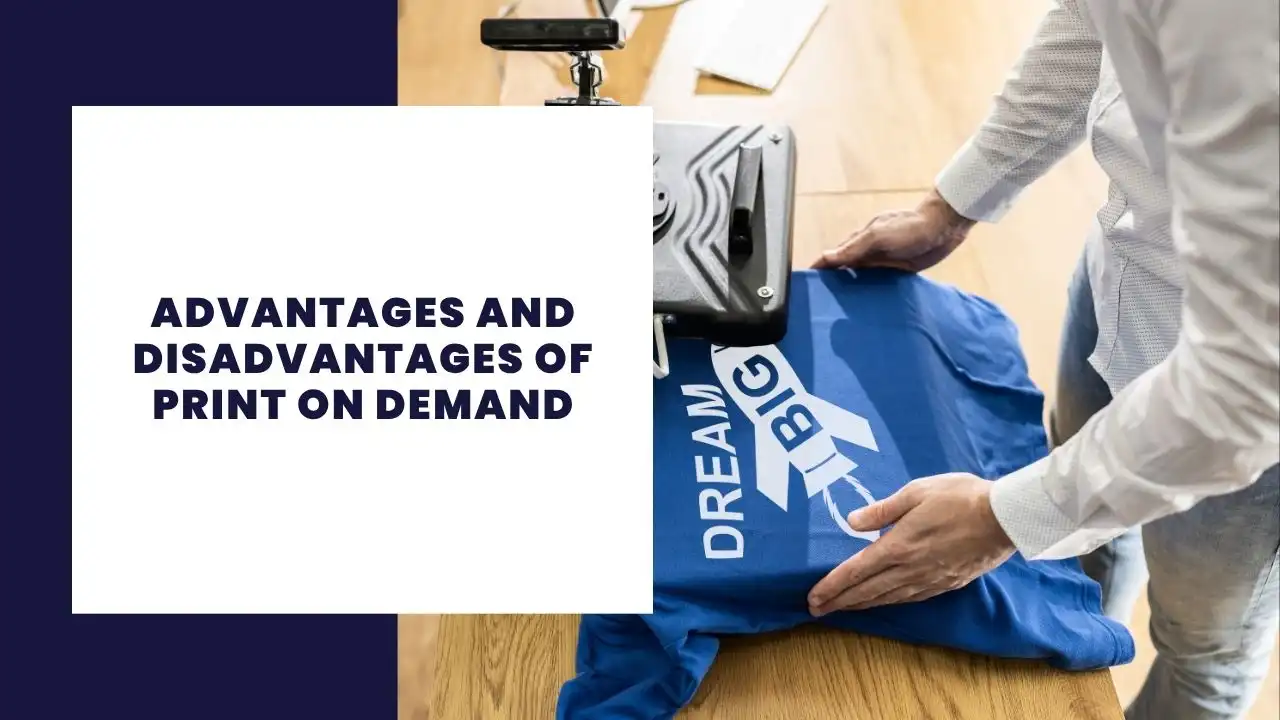
Print on demand (POD) has revolutionized the way entrepreneurs, artists, and businesses approach product creation and sales. By enabling customized printing only after an order is placed, POD minimizes inventory risks and upfront costs. However, like any business model, it comes with its own set of benefits and challenges. Understanding these can help you make informed decisions about whether print on demand is right for your venture.
What is Print on Demand?
Print on demand is a fulfillment process where products are printed, packaged, and shipped only after an order is received. This model eliminates the need for large inventories or upfront investments in stock. Typically, POD services are integrated with e-commerce platforms, allowing sellers to offer a wide range of customizable products such as t-shirts, mugs, books, phone cases, and more.
Unlike traditional manufacturing, where products are produced in bulk and stored until sold, print on demand operates on a just-in-time basis. This flexibility appeals to creatives and small businesses who want to test markets or offer personalized products without the financial risks associated with mass production.
Advantages of Print on Demand
1. Low Startup Costs
One of the most significant advantages of print on demand is the minimal financial barrier to entry. Since products are only created after an order is placed, there is no need to invest heavily in inventory, equipment, or warehousing. This makes POD an attractive option for startups and individuals testing new product ideas.
2. No Inventory Management
Managing inventory can be costly and complicated. Print on demand removes this burden entirely because products don’t exist until they are sold. Sellers don’t have to worry about unsold stock, storage fees, or inventory shrinkage due to damage or obsolescence.
3. Wide Product Variety
POD platforms often offer a broad range of customizable items. Sellers can experiment with different product types, designs, and niches without committing to large quantities. This flexibility allows for rapid adaptation to market trends and customer preferences.
4. Scalability
Because production is handled by third-party providers, print on demand businesses can scale quickly without worrying about manufacturing capacity or logistics. Whether selling one item or thousands, the fulfillment process remains largely the same.
5. Reduced Risk
Traditional product-based businesses face risks like overproduction and inventory write-offs. POD mitigates these risks by producing only what is ordered, helping sellers avoid costly losses and wasted resources.
6. Easy to Test New Designs
Artists and entrepreneurs can launch multiple designs simultaneously and gauge customer interest without financial strain. This makes it easier to identify winning products and discontinue less popular ones.
7. Location Independence
Since manufacturing and shipping are outsourced, POD sellers can operate from anywhere with an internet connection. This geographic flexibility is ideal for digital nomads and remote entrepreneurs.
Disadvantages of Print on Demand
1. Lower Profit Margins
While POD reduces upfront costs, the per-unit production cost is typically higher than bulk manufacturing. This can result in lower profit margins, especially when competing with wholesale or traditional retailers.
2. Less Control Over Fulfillment
Since third-party providers handle printing and shipping, sellers have limited control over production quality, packaging, and delivery times. This can sometimes lead to delays or inconsistent product quality, which may affect customer satisfaction.
3. Limited Customization Options
Although POD allows for personalization, the range of customization is often restricted by the provider’s capabilities. Complex or highly specialized products may not be feasible through POD services.
4. Shipping Costs and Times
Because items are shipped individually and often from various locations, shipping costs can be higher and delivery times longer compared to bulk shipments. This may deter customers accustomed to fast and inexpensive shipping.
5. Branding Challenges
Branding opportunities may be limited when using POD services, as many providers include their own packaging or inserts. This can reduce the ability to create a unique unboxing experience that strengthens brand identity.
6. Dependency on Third-Party Providers
Relying on external companies for production and fulfillment introduces risks such as stock shortages, technical issues, or changes in service terms. Sellers must carefully vet and maintain good relationships with providers.
7. Competition and Market Saturation
The low barrier to entry means that many sellers compete in the same niches, making it harder to stand out. Differentiation through design, marketing, and customer service becomes critical.
Comparison Table of the Pros and Cons of Print on Demand
| Advantages | Disadvantages |
|---|---|
| Low startup costs | Lower profit margins |
| No inventory management | Less control over fulfillment |
| Wide product variety | Limited customization options |
| Scalability | Higher shipping costs and longer times |
| Reduced risk | Branding challenges |
| Easy to test new designs | Dependency on third-party providers |
| Location independence | Competition and market saturation |
The Future of Print on Demand
The print on demand industry continues to evolve rapidly, driven by technological advances and shifting consumer behaviors. Innovations such as faster digital printing, eco-friendly materials, and enhanced customization tools are improving product quality and reducing costs. Integration with artificial intelligence and data analytics is helping sellers better understand customer preferences and optimize their offerings.
Moreover, sustainability concerns are prompting POD providers to adopt greener practices, such as on-demand production that minimizes waste and carbon footprint. As e-commerce grows globally, print on demand is likely to become an even more prominent model for entrepreneurs seeking flexible, low-risk ways to enter the market.
However, challenges like supply chain disruptions and increasing competition will require sellers to stay agile and focused on delivering unique value. Building strong brands and excellent customer experiences will be key to thriving in the future POD landscape.
FAQs About Print on Demand
1. Can I use print on demand for any type of product?
Print on demand primarily works best for products that can be digitally printed, such as apparel, accessories, home decor, and books. Some items with complex manufacturing requirements might not be suitable.
2. How long does it take to fulfill a print on demand order?
Fulfillment times vary by provider but typically range from 3 to 10 business days. Shipping duration depends on the destination and chosen shipping method.
3. Is print on demand profitable?
Profitability depends on factors like pricing, niche selection, marketing, and cost control. While margins can be lower than traditional manufacturing, the low upfront investment reduces financial risk.
4. Can I brand my print on demand products?
Branding options vary by provider. Some offer custom packaging, labels, or inserts. However, complete control over branding is often limited compared to in-house production.
5. What platforms support print on demand integration?
Popular e-commerce platforms such as Shopify, Etsy, WooCommerce, and Amazon support POD integrations with various providers, making it easy to set up and manage your store.
Conclusion of Advantages and Disadvantages of Print on Demand
Print on demand offers an accessible and flexible way to launch product-based businesses without the traditional risks of inventory and production. Its low startup costs, scalability, and broad product options make it appealing for creatives and entrepreneurs who want to test ideas and sell customized items.
At the same time, POD presents challenges such as lower profit margins, limited control over fulfillment, and increased competition. Success in this space requires careful provider selection, effective branding, and strong marketing strategies.
Understanding the balance of these advantages and disadvantages is essential for anyone considering print on demand as a business model. With the right approach, POD can be a powerful tool to bring unique products to market efficiently and sustainably.