Pressure washing has become an increasingly popular method for cleaning and maintaining the exterior surfaces of homes, commercial buildings, and various outdoor structures. Its ability to quickly and effectively remove dirt, grime, mold, and other buildup makes it an attractive option for property owners. However, like any cleaning technique, pressure washing comes with its own set of benefits and drawbacks. Understanding these can help you decide whether pressure washing is the right choice for your needs and how to use it safely and effectively.
What is Pressure Washing?
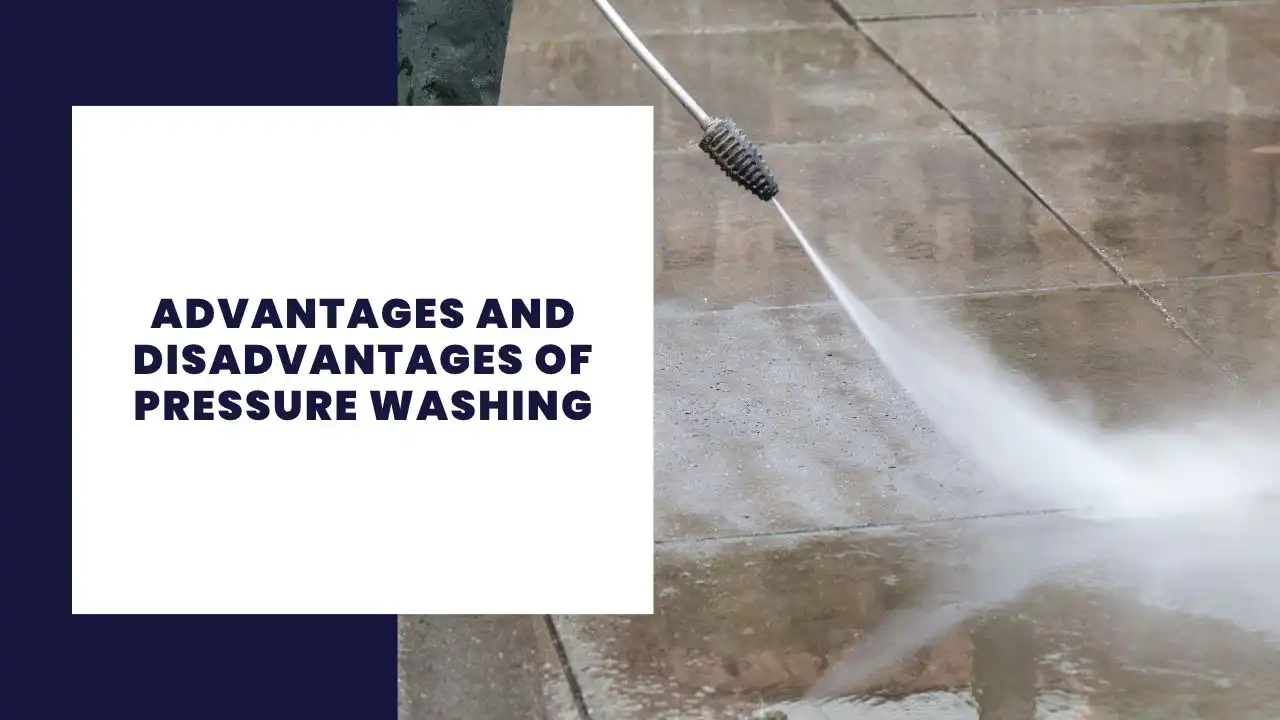
Pressure washing, also known as power washing, involves using a high-pressure water spray to clean surfaces. A specialized machine, often powered by electricity or gas, propels water at a high velocity, which helps dislodge dirt, mold, algae, and other debris from surfaces such as concrete, wood, siding, and decks. This method is widely used for residential, commercial, and industrial cleaning projects due to its efficiency and ability to cover large areas quickly.
The process can be customized with different nozzle types, water pressures, and cleaning solutions to suit various surfaces and cleaning requirements. While pressure washing is highly effective, it also requires careful handling to prevent damage to delicate surfaces or property.
Advantages of Pressure Washing
1. Efficient and Time-Saving
One of the biggest advantages of pressure washing is its efficiency. Compared to manual scrubbing or traditional cleaning methods, pressure washing can complete large cleaning projects in a fraction of the time. The high-pressure water stream penetrates grime and dirt deeply embedded in surfaces, making the cleaning process faster and more effective. This efficiency is particularly beneficial for commercial properties or homeowners with extensive outdoor areas.
2. Cost-Effective Cleaning Solution
Pressure washing can be a cost-effective way to maintain the appearance and integrity of your property. While there is an initial investment in equipment or hiring professional services, the long-term savings come from preventing the buildup of damaging substances like mold, algae, or mildew, which can lead to costly repairs if left untreated. Regular pressure washing can prolong the lifespan of surfaces such as siding, decks, and driveways, reducing replacement or repair expenses.
3. Enhances Curb Appeal
A clean exterior significantly improves the curb appeal of a property. Pressure washing removes unsightly stains, dirt, and grime, restoring surfaces to their original appearance. This can be especially important before selling a home or preparing a commercial property for customers. A well-maintained exterior can make a positive first impression and potentially increase property value.
4. Environmentally Friendly
Pressure washing often requires only water and, in some cases, biodegradable cleaning solutions. Unlike harsh chemical cleaners, high-pressure water can effectively clean surfaces without introducing toxic substances into the environment. Additionally, because it is so efficient, it minimizes water usage compared to other cleaning methods, making it an eco-friendly option.
5. Versatility in Cleaning Applications
Pressure washing is suitable for a wide range of surfaces, including concrete, brick, wood, vinyl siding, and metal. It can be used for cleaning decks, patios, driveways, fences, and even outdoor furniture. This versatility makes it a popular choice for various cleaning needs around residential and commercial properties.
6. Removes Hard-to-Clean Stains and Buildup
The high-pressure stream can effectively remove stubborn stains, moss, algae, and other organic growths that traditional cleaning methods might struggle with. This makes pressure washing particularly useful for restoring surfaces affected by environmental factors or neglect.
7. Prevents Damage from Mold and Mildew
Regular pressure washing can help prevent mold, mildew, and algae growth, which can cause surfaces to deteriorate over time. Removing these substances not only improves appearance but also protects the structural integrity of surfaces, especially in humid or shaded areas.
8. Improves Safety
A clean surface is often a safer surface. Pressure washing can remove slippery substances like moss or algae from pathways and decks, reducing the risk of slips and falls. This is particularly important for commercial properties or homes with children and elderly residents.
9. Promotes Health and Hygiene
Removing mold, mildew, and other allergens from exterior surfaces can contribute to a healthier environment for residents and visitors. It reduces the presence of mold spores and bacteria that can cause respiratory issues or other health problems.
10. Quick Surface Preparation
Before painting, sealing, or staining outdoor surfaces, pressure washing provides an essential step for proper surface preparation. Clean, debris-free surfaces ensure better adhesion of paints and sealants, leading to longer-lasting results.
11. Enhances Property Value
Maintaining a clean and well-kept exterior through pressure washing can increase the overall value of a property. Curb appeal is a significant factor in real estate, and regular cleaning helps preserve the property’s aesthetic and structural quality.
12. Reduces the Need for Harsh Chemicals
Since pressure washing relies primarily on high-pressure water, it often reduces the need for chemical cleaning agents. This makes it a safer option for residents, pets, and the environment.
13. Can Be Used for Commercial and Industrial Cleaning
Beyond residential use, pressure washing is essential in commercial and industrial settings for cleaning building exteriors, parking lots, sidewalks, machinery, and more. Its adaptability makes it a vital tool across various industries.
14. Enhances Longevity of Surfaces
Regular pressure washing can extend the lifespan of exterior surfaces by removing damaging substances and preventing the buildup of harmful organisms. This proactive maintenance helps avoid costly repairs and replacements in the future.
Disadvantages of Pressure Washing
1. Risk of Surface Damage
While pressure washing is highly effective, it can also cause damage if not used properly. High-pressure water streams can strip paint, gouge wood, or damage delicate surfaces like shingles or soft masonry. Improper technique or excessive pressure can lead to costly repairs or surface deterioration.
2. Potential for Water Intrusion
If not performed carefully, pressure washing can force water into cracks, crevices, or behind siding, leading to water intrusion. This can cause issues such as mold growth, wood rot, or structural damage over time. Proper technique and attention to detail are essential to prevent these problems.
3. Safety Risks
Operating pressure washers involves handling high-pressure equipment, which can be dangerous if not managed correctly. Injuries such as cuts, bruises, or eye damage can occur if safety precautions are ignored. Additionally, high-pressure water can cause slips and falls during the cleaning process.
4. Environmental Concerns
Although pressure washing is generally eco-friendly, the runoff containing dirt, mold, and cleaning agents can pollute local water sources if not properly managed. Care must be taken to avoid spraying contaminated water into storm drains or natural water bodies.
5. Requires Skill and Experience
Effective pressure washing requires knowledge of appropriate pressure levels and techniques for different surfaces. Inexperienced users may inadvertently cause damage or incomplete cleaning. Hiring professional services can mitigate this risk but adds to the overall cost.
6. Not Suitable for All Surfaces
Some surfaces, such as certain types of roofing, delicate siding, or antique masonry, may be damaged by pressure washing. In such cases, alternative cleaning methods are preferable, and improper use can lead to costly damages.
7. Can Be Costly if Not Done Correctly
While pressure washing can save money in the long run, improper use or hiring unqualified operators can lead to damage requiring expensive repairs. Additionally, renting equipment or hiring professionals adds to the initial costs.
8. May Require Repeated Cleaning
Certain stains or organic growths can reappear over time, necessitating repeated pressure washing to maintain appearance. This ongoing maintenance can be time-consuming and costly.
9. Noise Pollution
Pressure washers are loud machines that can generate significant noise during operation. This can be disruptive to neighbors or others nearby, especially during early mornings or late evenings.
10. Limited Effectiveness on Certain Stains
While pressure washing is effective against dirt and organic matter, it may not remove deep stains, rust, or paint without the use of additional chemicals or alternative methods.
11. Possible Damage to Landscaping
High-pressure water can inadvertently damage nearby plants, shrubs, or landscaping features if not carefully controlled. Protective measures are necessary to prevent unintended harm.
12. Power Consumption
Gas-powered pressure washers consume significant amounts of fuel, contributing to environmental pollution and operational costs. Electric models are more environmentally friendly but may have limitations in pressure and flow rate.
13. Need for Regular Maintenance of Equipment
Pressure washers require regular maintenance to remain in optimal condition. This includes checking hoses, nozzles, and filters, which adds to the overall effort and cost.
14. Potential for Water Waste
Despite being efficient, pressure washing can still waste considerable amounts of water if not properly managed. Using the correct pressure settings and techniques is crucial to minimize water usage.
Comparison Table of the Pros and of Pressure Washing
| Advantages | Disadvantages |
|---|---|
| Efficient and Time-Saving | Risk of Surface Damage |
| Cost-Effective Cleaning Solution | Potential for Water Intrusion |
| Enhances Curb Appeal | Safety Risks |
| Environmentally Friendly | Environmental Concerns |
| Versatile in Cleaning Applications | Requires Skill and Experience |
| Removes Hard-to-Clean Stains | Not Suitable for All Surfaces |
| Prevents Damage from Mold and Mildew | Can Be Costly if Done Incorrectly |
| Improves Safety | Noise Pollution |
| Promotes Health and Hygiene | Limited Effectiveness on Certain Stains |
| Quick Surface Preparation | Possible Damage to Landscaping |
| Enhances Property Value | Power Consumption |
| Reduces the Need for Harsh Chemicals | Need for Regular Maintenance |
| Used in Commercial and Industrial Cleaning | Water Waste Potential |
| Extends Surface Longevity |