
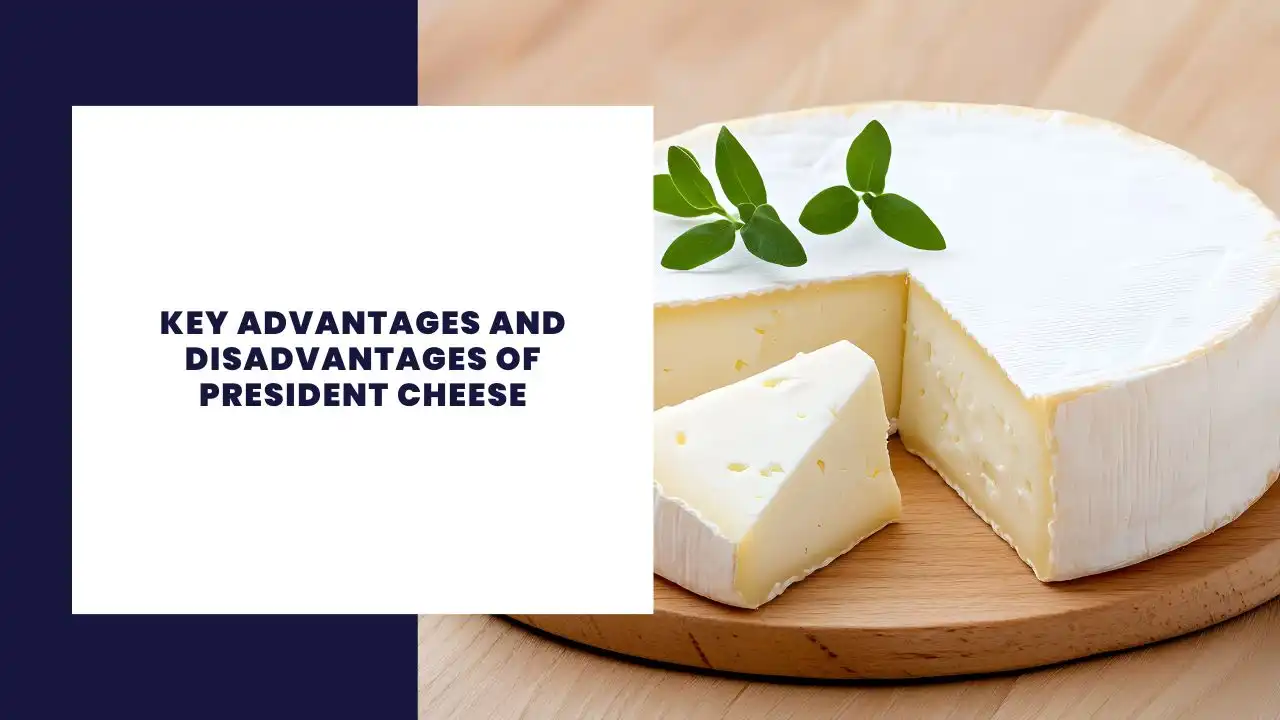
14 Key Advantages And Disadvantages Of President Cheese
Cheese has long been a staple in global cuisine, with different varieties shaping cultures and culinary traditions. Among premium cheese brands, Président Cheese stands out as one of the most recognized names. From creamy brie to crumbly feta, Président offers a wide portfolio that is enjoyed worldwide. Like all dairy products, however, cheese consumption comes with both nutritional benefits and potential health risks. Understanding the advantages and disadvantages of Président Cheese can help consumers make informed choices about its place in their diet.
Written by
- Redaction Team
- Business Planning, Entrepreneurship
Table of Contents
What Is President Cheese
Président Cheese is a French dairy brand founded in 1968 by Groupe Lactalis, one of the world’s largest dairy companies. It is especially popular in the European market and North America, with distribution in more than 150 countries. The brand is known for offering a wide range of cheeses, including brie, camembert, cheddar cheese, feta cheese, goat cheese, and curd cheese, among others.
Président emphasizes soft cheese varieties such as brie cheese and camembert, but also produces harder cheeses like cheddar and cottage cheese, catering to diverse preferences. Many of its products are made from cow’s milk, goat’s milk, or sheep’s milk, providing different nutritional values.
While cheese is a good source of calcium and protein, Président Cheese also contains saturated fat and sodium, which can pose risks to heart health if consumed excessively. Its nutrition facts reveal that cheese is both high in protein and dense in calories, making moderation key for maintaining a balanced diet.
Advantages of President Cheese
1. Good Source of Calcium and Protein
Président Cheese is rich in calcium and protein, essential nutrients that support bone health, muscle function, and overall growth. Calcium plays a key role in preventing osteoporosis, while protein aids in repairing body tissues.
2. Wide Variety of Cheese Types
The brand offers many types of cheese, including brie, feta cheese, cheddar cheese, goat cheese, and cottage cheese. This variety allows consumers to select cheeses based on taste, nutritional goals, and dietary needs.
3. Rich in Vitamins and Minerals
Président Cheese contains vitamins and minerals such as phosphorus, vitamin A, and vitamin B12. These nutrients contribute to healthy skin, improved immunity, and efficient metabolic functions.
4. Supports Heart Health in Moderation
When eaten in moderation, cheese made with natural ingredients may provide conjugated linoleic acid (CLA) and calcium, which are linked to potential heart health benefits.
5. Creamy Texture and Culinary Versatility
Products like brie is a soft cheese with a creamy texture that enhances gourmet meals, appetizers, and sandwiches. Its wide use in recipes makes Président a favorite for chefs and households alike.
6. Lower Fat Options Available
Certain Président products, such as curd cheese and cottage cheese, are lower in fat than many traditional cheeses. These provide a lighter alternative for individuals watching their fat intake.
7. Long Shelf Life Compared to Homemade Cheese
Through controlled processing and pasteurization, Président Cheese has a longer shelf life than homemade cheeses. This ensures availability and convenience without compromising quality.
Disadvantages of President Cheese
1. High in Saturated Fat and Sodium
Many Président varieties are high in saturated fat and sodium content, which can increase the risk of heart disease, high blood pressure, and cholesterol levels if eaten excessively.
2. Ultra-Processed Nature of Some Products
Certain products in the portfolio fall into the ultra-processed foods category, containing food additives, emulsifiers, and preservatives that may negatively impact long-term health.
3. Allergen Concerns
Because Président Cheese is primarily made from cow’s milk, it can trigger reactions in those with lactose intolerance, milk allergies, or sensitivity to dairy products.
4. High Calorie Content
Cheese is calorie-dense, with a typical serving size containing grams of fat and high calories. Overconsumption may lead to weight gain, especially in individuals who do not balance their intake with physical activity.
5. Potential Risk to Heart Health
Excessive intake of fat dairy products high in saturated fat and sodium can contribute to LDL cholesterol build-up, raising the risk of heart disease and hypertension.
6. Pasteurization and Nutrient Loss
While pasteurization improves safety, it may slightly reduce the nutritional value of cheese by affecting certain vitamins and minerals compared to raw cheese.
7. Ethical and Environmental Concerns
Cheese production raises questions about animal welfare and the environmental impact of dairy farming. Large-scale dairy farming contributes to greenhouse gas emissions and raises sustainability concerns.
Comparison Table of the Pros and Cons of President Cheese
| Pros | Cons |
|---|---|
| Good source of calcium and protein | High in saturated fat and sodium |
| Wide variety of cheese types | Considered ultra-processed in some products |
| Rich in vitamins and minerals | Potential allergen for lactose-intolerant individuals |
| Supports heart health in moderation | High calorie content |
| Creamy texture and versatile | Risk of heart disease with overconsumption |
| Lower-fat options available | Nutrient loss during pasteurization |
| Longer shelf life | Ethical and environmental concerns |
SWOT Analysis of President Cheese
Strengths
Strong brand reputation as a global leader in cheese.
Offers a wide portfolio, including brie cheese, feta cheese, cheddar cheese, and cottage cheese.
Cheese is a good source of calcium and protein, appealing to health-conscious consumers.
Known for its creamy texture and authentic French origin.
Weaknesses
High in saturated fat and sodium, raising health concerns.
Considered part of ultra-processed foods, which may discourage certain consumers.
High calorie and fat dairy products can limit appeal to those on weight-loss diets.
Opportunities
Growing demand for low-fat, low-sodium, and sustainable cheese options.
Rising global popularity of goat cheese and feta cheese due to health benefits.
Expansion into eco-friendly packaging and sustainability-focused production.
Threats
Competition from other cheese brands and plant-based alternatives.
Increased awareness of the risks of saturated fat and sodium.
Potential regulatory restrictions on ultra-processed dairy products and high sodium intake.
FAQs About President Cheese
Président Cheese can be part of a healthy diet when consumed in moderation, as it provides calcium, protein, and essential nutrients.
The brand offers brie cheese, feta cheese, camembert, goat cheese, cheddar cheese, cottage cheese, and more.
Yes, most Président products are pasteurized, making them safer for general consumption, especially for vulnerable groups.
Yes, Président offers curd cheese and cottage cheese, which are lower in fat than many traditional cheeses.
Overconsumption can contribute to high cholesterol, high blood pressure, weight gain, and increased risk of heart disease.
Conclusion of Advantages and Disadvantages of President Cheese
Président Cheese is a global brand that has built its reputation on producing high-quality cheeses with distinct flavors, creamy textures, and a wide selection for different preferences. It offers important nutrients like calcium and protein that support bone health and overall wellness. However, like most fat dairy products, it is also high in saturated fat and sodium, which can pose risks to heart health if consumed excessively.
When eaten in moderation, Président Cheese can be enjoyed as part of a balanced diet. Consumers mindful of their intake and serving size can benefit from its rich nutritional value while minimizing the potential downsides. Ultimately, the decision to include Président Cheese depends on balancing its nutritional value with lifestyle choices and health considerations.
More about Business Planning