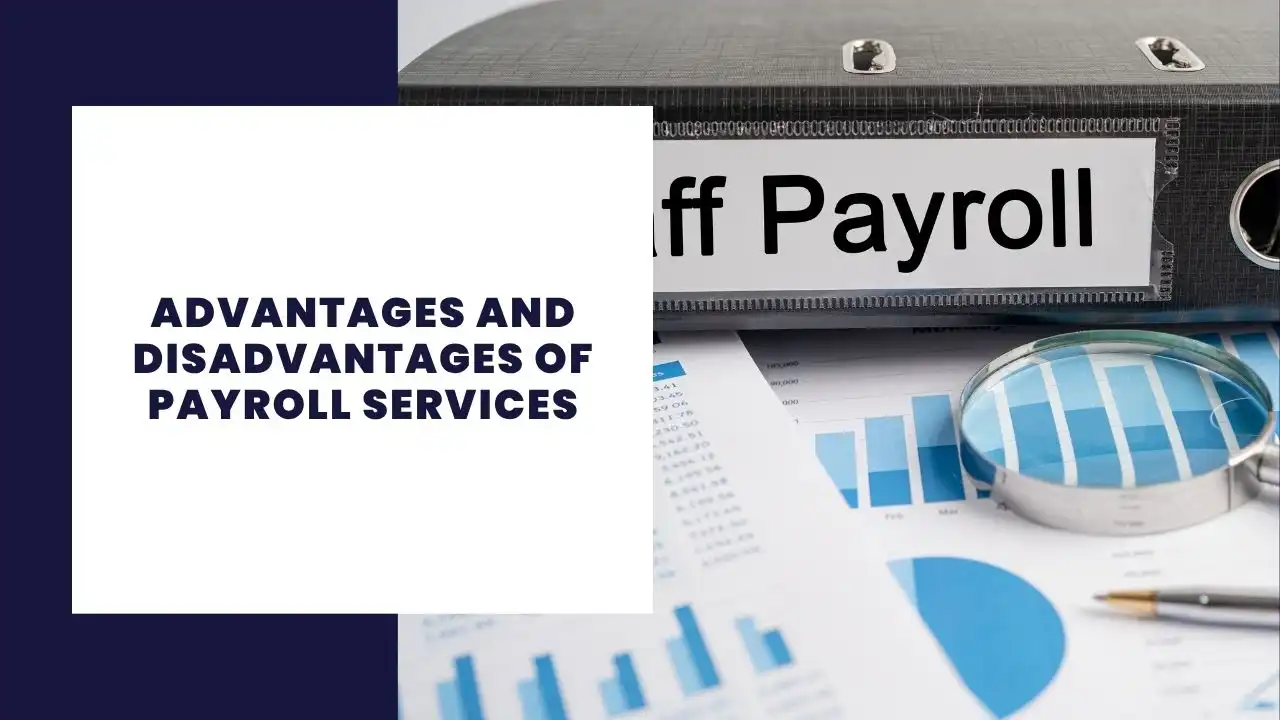
Managing payroll is a fundamental aspect of running a successful business. It involves more than just paying employees; it encompasses tax obligations, compliance with legal regulations, record-keeping, and ensuring employees are paid accurately and on time. With the advent of technology, payroll services have become an integral part of modern business operations, offering a range of features designed to streamline this complex process. However, like any service, payroll solutions come with their own set of benefits and drawbacks. Understanding these can help business owners make informed decisions about whether to outsource payroll or manage it in-house.
What Is Payroll Service?
Payroll service refers to a third-party provider or software that handles the process of compensating employees for their work. These services typically manage calculations related to wages, taxes, benefits, and deductions. They also ensure compliance with federal, state, and local regulations, file necessary reports, and often handle direct deposits. Payroll services can vary from simple software solutions suitable for small businesses to comprehensive platforms offering HR management, tax filing, and employee self-service portals. Outsourcing payroll can save time, reduce errors, and improve compliance, but it also involves costs and reliance on a third-party provider.
Advantages of Payroll Services
1. Time Savings and Efficiency
One of the most significant benefits of payroll services is the substantial time savings they offer. Managing payroll manually can be time-consuming, especially for businesses with many employees or complex pay structures. Payroll services automate calculations, tax filings, and record-keeping, freeing up valuable time for business owners and HR teams. Automated processes reduce the likelihood of errors and ensure that employees are paid accurately and on schedule, allowing companies to focus on core activities.
2. Improved Accuracy and Reduced Errors
Manual payroll processing is prone to mistakes, such as incorrect tax deductions or miscalculations of hours worked. Payroll services utilize sophisticated algorithms and data validation checks to improve accuracy. This minimizes costly errors, penalties, and potential legal issues. Accurate payroll processing also enhances employee trust and satisfaction, as they receive correct payments without delays or discrepancies.
3. Legal Compliance and Tax Filing
Payroll services stay updated with ever-changing tax laws and labor regulations. They automatically calculate payroll taxes, generate necessary reports, and file tax returns on behalf of the business. This reduces the risk of penalties due to non-compliance and ensures adherence to legal standards. For businesses unfamiliar with complex tax codes, outsourcing payroll provides peace of mind that all statutory obligations are met.
4. Security of Sensitive Data
Payroll involves handling sensitive employee data, including social security numbers, bank details, and salary information. Payroll providers implement robust security measures to protect this data from breaches and unauthorized access. Cloud-based payroll services often include encryption, secure login protocols, and regular backups, ensuring that confidential information remains safe.
5. Employee Self-Service Features
Many payroll services offer employee portals where staff can view payslips, tax documents, and benefits information. This transparency reduces the administrative burden on HR personnel and empowers employees to access their data independently. Self-service portals also streamline communication and help resolve payroll-related queries efficiently.
6. Cost-Effectiveness for Small and Medium Businesses
While there is an upfront cost to payroll services, they can be cost-effective in the long run. Small and medium-sized enterprises (SMEs) often lack dedicated HR or accounting staff, and outsourcing payroll can eliminate the need for hiring additional personnel. Additionally, the reduction in errors and penalties can lead to significant savings over time.
7. Scalability and Flexibility
Payroll services can easily scale with your business. Whether you hire a few employees or hundreds, the platform can handle increased payroll complexity without requiring significant changes. Many providers also offer customizable features tailored to specific industry needs or business sizes.
8. Integration with Other Business Systems
Modern payroll solutions often integrate seamlessly with accounting, HR, and time-tracking software. This integration provides a unified platform for managing various aspects of human resources and finance, reducing duplication of effort and improving data accuracy across departments.
9. Automated Record-Keeping and Reporting
Payroll services automatically maintain detailed records of payments, deductions, and tax filings. These records are essential for audits, financial analysis, and compliance purposes. Automated reporting tools also help generate insights into payroll expenses and workforce trends.
10. Support and Customer Service
Reputable payroll providers offer dedicated customer support to assist with technical issues or compliance questions. Access to knowledgeable support staff can be invaluable, especially during tax season or when implementing new features.
11. Reduced Administrative Burden
By outsourcing payroll, business owners and HR teams can delegate routine tasks, reducing administrative workload. This allows staff to focus on strategic initiatives, employee engagement, and growth initiatives rather than administrative chores.
12. Consistent Pay Schedules
Payroll services ensure that employees are paid according to the agreed schedule, whether weekly, biweekly, or monthly. Consistency in pay schedules helps maintain employee morale and trust.
13. Enhanced Compliance with Tax and Employment Laws
Payroll providers monitor regulatory changes and update their systems accordingly. This proactive approach helps businesses avoid legal penalties and stay compliant with evolving employment laws.
14. Access to Advanced Payroll Features
Many payroll services offer additional features such as benefits administration, time tracking, and compliance management, providing a comprehensive solution for managing workforce payments and HR functions.
Disadvantages of Payroll Services
1. Cost of Service
While payroll services can be cost-effective for many businesses, they do involve ongoing fees. For very small businesses or startups, these costs might seem significant compared to in-house processing, especially if the business has only a few employees.
2. Loss of Control Over Payroll Processes
Outsourcing payroll means relinquishing some control over sensitive processes. Business owners must rely on the provider’s accuracy, timeliness, and security measures, which can be uncomfortable for some.
3. Dependency on External Providers
Relying on a third-party provider introduces a risk if the service experiences downtime, technical issues, or business disruptions. Such incidents can delay payroll processing or compromise data security.
4. Potential for Data Breaches
Although payroll providers implement security measures, no system is entirely immune to cyberattacks. A data breach could expose sensitive employee information, leading to legal and reputational consequences.
5. Limited Customization for Unique Needs
Some payroll services may not accommodate very specific or complex payroll arrangements, such as unique benefit structures or specialized tax handling. This limitation can require additional manual adjustments or custom solutions.
6. Hidden Fees and Additional Costs
Some providers charge extra for services like year-end reporting, tax filing, or integrations. These hidden costs can add up, making the overall expense higher than initially anticipated.
7. Learning Curve and Implementation Time
Implementing a new payroll system can require training and time to adapt. There may be a learning curve for staff and adjustments needed to integrate with existing systems.
8. Challenges with International Payroll
For businesses operating across multiple countries, payroll services may not fully support international compliance or currency handling, complicating global payroll management.
9. Limited Personalization
Standard payroll services may not cater to very niche or highly customized payroll needs, which could require additional manual intervention or bespoke solutions.
10. Data Privacy Concerns
Storing sensitive employee data on third-party servers raises concerns about data privacy and compliance with regulations like GDPR or HIPAA, depending on jurisdiction.
11. Possible Delays in Payments
Technical issues or errors in the payroll provider’s system can lead to delays in employee payments, affecting morale and trust.
12. Complexity for Small Business Owners
For very small businesses with straightforward payroll needs, hiring a payroll service might be more complex and costly than managing payroll manually or with basic software.
13. Risk of Service Discontinuity
If a payroll provider goes out of business or discontinues its service, transitioning to a new provider can be complicated and disruptive.
14. Potential for Overdependence on Technology
Heavy reliance on automated systems can sometimes cause businesses to overlook errors or discrepancies that manual checks might catch, leading to potential compliance risks.
Comparison Table of the Pros and of Payroll Services
| Advantages | Disadvantages |
|---|---|
| Time savings and efficiency | Cost of service |
| Improved accuracy and reduced errors | Loss of control over processes |
| Legal compliance and tax filing | Dependency on external providers |
| Security of sensitive data | Potential data breaches |
| Employee self-service features | Limited customization for complex needs |
| Cost-effectiveness for small businesses | Hidden fees and additional costs |
| Scalability and flexibility | Learning curve and implementation time |
| Integration with other business systems | Challenges with international payroll |
| Automated record-keeping and reporting | Data privacy concerns |
| Support and customer service | Possible delays in payments |
| Reduced administrative burden | Overdependence on technology |
| Consistent pay schedules | Complexity for very small businesses |
| Enhanced compliance with laws | Risk of service discontinuity |
| Access to advanced features | Potential for over-reliance on automation |
The Future of Payroll Services
The landscape of payroll services is rapidly evolving with technological advancements. Artificial intelligence and machine learning are increasingly being integrated into payroll platforms to enhance accuracy, predict potential issues, and streamline compliance. Cloud-based solutions continue to dominate, offering greater flexibility, real-time data access, and improved security. As businesses become more global and remote work arrangements expand, payroll services are also adapting to support international compliance, multi-currency handling, and cross-border tax regulations.
Furthermore, the integration of payroll with broader HR management systems is expected to deepen, providing more comprehensive solutions for workforce management. Automation will further reduce manual intervention, and blockchain technology may play a role in ensuring transparent and tamper-proof records. The trend points toward more personalized, user-friendly interfaces and AI-driven insights that help businesses.