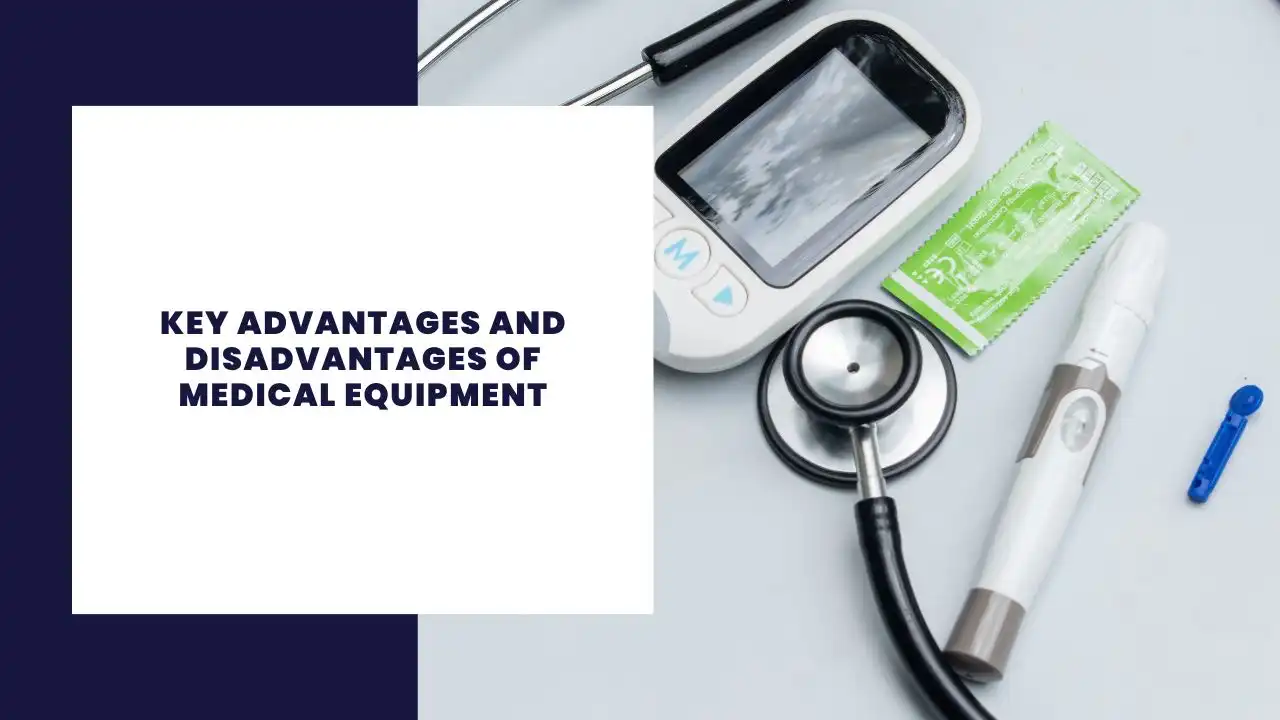
14 Key Advantages and Disadvantages of Medical Equipment
Medical equipment plays a vital role in modern healthcare systems, improving patient outcomes, diagnosis accuracy, and treatment efficiency. Whether hospitals, clinics, or private practices, every healthcare organization relies on reliable medical devices to provide quality care. However, when it comes to purchasing, leasing, or upgrading equipment, decision-makers must carefully consider the pros and cons associated with both new and used medical equipment.
The advantages and disadvantages of medical equipment go beyond just cost — they involve quality, safety, maintenance, technology, and long-term operational impact. Understanding these factors helps healthcare providers make the right investment for their facility and patients.
Written by
- Redaction Team
- Business Planning, Entrepreneurship
Table of Contents
What Is Medical Equipment?
Medical equipment refers to devices and tools used by healthcare providers to diagnose, monitor, and treat patients. This includes everything from basic instruments such as thermometers and blood pressure monitors to complex systems like MRI scanners, ventilators, and surgical robots.
Different types of medical equipment serve different purposes — diagnostic, therapeutic, life-support, or laboratory-based. Whether a hospital decides to buy medical equipment, lease it, or buy used medical equipment, the decision must consider not only financial constraints but also the intended use of the equipment, maintenance needs, and technological updates.
Advancements in medical technology have made devices more precise and efficient, but they also come with challenges such as high upfront costs, shorter lifespans due to rapid innovation, and increasing maintenance and repair expenses.
Advantages of Medical Equipment
1. Improved Quality of Healthcare
One of the greatest advantages of medical equipment is its direct impact on the quality of healthcare. New and upgraded devices allow for faster diagnoses, accurate results, and effective treatments, improving patient outcomes and overall hospital efficiency.
2. Increased Efficiency and Productivity
Modern medical technology reduces manual work and helps healthcare providers save time. Automated systems and digital tools streamline processes, allowing for quicker decision-making and improved workflow in hospitals and clinics.
3. Enhanced Safety and Accuracy
High-quality biomedical equipment ensures patient safety and reduces the risk of human error. From monitoring systems to imaging machines, the effectiveness of medical devices plays a key role in accurate diagnoses and treatment success.
4. Long-Term Cost-Effectiveness
Although the upfront cost of new medical equipment may be high, the long-term benefits often outweigh the investment. New devices usually require less maintenance and repair, and their efficiency helps reduce operating costs over time.
5. Access to the Latest Technology
Upgrading or buying new equipment ensures access to the latest medical technology, which can significantly improve the level of care. It also helps healthcare facilities stay competitive in a market where innovation drives patient trust and institutional reputation.
6. Customization for Specific Needs
Healthcare providers can choose equipment that meets patient needs or aligns with their specialized medical services. Whether diagnostic or surgical, selecting the right device enhances treatment precision and patient satisfaction.
7. Better Reliability and Warranty Coverage
Purchasing new medical equipment often includes manufacturer warranties, ensuring quality and safety. This minimizes risk and provides peace of mind that the equipment may be repaired or replaced if issues arise during its operational lifespan.
Disadvantages of Medical Equipment
1. High Upfront Costs
The upfront cost of new medical equipment can be a significant financial burden for hospitals and clinics, especially small healthcare facilities. Investing heavily in new devices can strain budgets and limit funds for other operational needs.
2. Rapid Technological Obsolescence
Medical technology continues to advance quickly, meaning that newly purchased equipment may become outdated within a few years. This shortens the effective lifespan of expensive devices and may force healthcare organizations to reinvest sooner than expected.
3. High Maintenance and Repair Expenses
Regular maintenance and repair are essential to ensure safe and effective performance. However, these ongoing maintenance costs can add up, especially for complex or imported devices that require specialized technicians.
4. Challenges in Buying Used Equipment
While buy used medical equipment can save money, the cons of buying used include uncertain condition of the equipment, reduced warranty protection, and potential safety of the equipment issues. Pre-owned devices might not meet the latest compliance or efficiency standards.
5. Limited Flexibility with Leasing Agreements
Medical equipment leasing vs buying is often debated. Leasing reduces upfront costs but involves long-term commitment and higher end of the lease expenses. The facility doesn’t own the equipment outright, which can complicate upgrades or resale.
6. Possible Downtime and Disruption
Equipment failures or maintenance expenses can disrupt healthcare delivery. When purchased equipment may become outdated or unreliable, hospitals risk reduced operational efficiency and patient trust.
7. Training and Adaptation Requirements
Introducing new medical equipment or latest technology often requires staff training. This adaptation period can temporarily lower productivity and affect the quality of healthcare during implementation.
Comparison Table of the Pros and Cons of Medical Equipment
| Pros | Cons |
|---|---|
| Improves quality and safety of care | High upfront cost |
| Increases efficiency and productivity | Requires ongoing maintenance |
| Access to the latest technology | Can become outdated quickly |
| Long-term cost-effectiveness | Expensive repairs and spare parts |
| Enhances brand trust and reputation | Training requirements for staff |
| Customization based on needs | Complex leasing agreements |
| Reliable warranties and support | Risks with used or pre-owned devices |
The Future of Medical Equipment
The future of medical equipment lies in automation, AI, and connected healthcare. As medical device development progresses, hospitals and healthcare providers will see smarter, more efficient systems that can predict issues before they arise.
Medical equipment reduces manual labor and allows healthcare facilities to integrate data from different sources. This integration improves diagnosis accuracy and enhances decision-making across departments.
With technology advances, medical equipment may soon become more affordable through scalable manufacturing and digital connectivity. However, the cost of purchasing and long-term costs will still depend on maintenance, updates, and the ability to integrate devices with emerging healthcare systems.
FAQs About Medical Equipment
They should evaluate the intended use of the equipment, total cost of ownership, maintenance needs, and compliance with safety standards before making a purchase.
Leasing reduces upfront cost but may lead to higher long-term costs. It’s a flexible option for short-term needs but not always the best for permanent investments.
Purchasing pre-owned equipment can be a cost-effective option if the devices are properly inspected and maintained. However, the condition of the equipment and warranty coverage should always be verified.
Regular maintenance and repair depend on the type of medical equipment. Preventive checks ensure quality and safety and extend the lifespan of devices.
Advancements in medical technology enable real-time data monitoring, predictive maintenance, and improved performance tracking — enhancing the overall effectiveness of medical systems.
Conclusion of Advantages and Disadvantages of Medical Equipment
Understanding the pros and cons of medical equipment helps hospitals and healthcare organizations make better financial and operational decisions. While buying new equipment ensures top performance and quality of healthcare, it comes at a higher upfront cost and potential obsolescence risk. On the other hand, buying used medical equipment can lower expenses but may compromise reliability or safety.
Each healthcare provider must weigh the advantages and disadvantages carefully, considering patient needs, medical technology trends, and long-term maintenance costs. In an era of fast innovation and growing demand for high-quality care, making informed choices in purchasing medical equipment ensures efficiency, safety, and sustainability for the future.
More about Business Planning