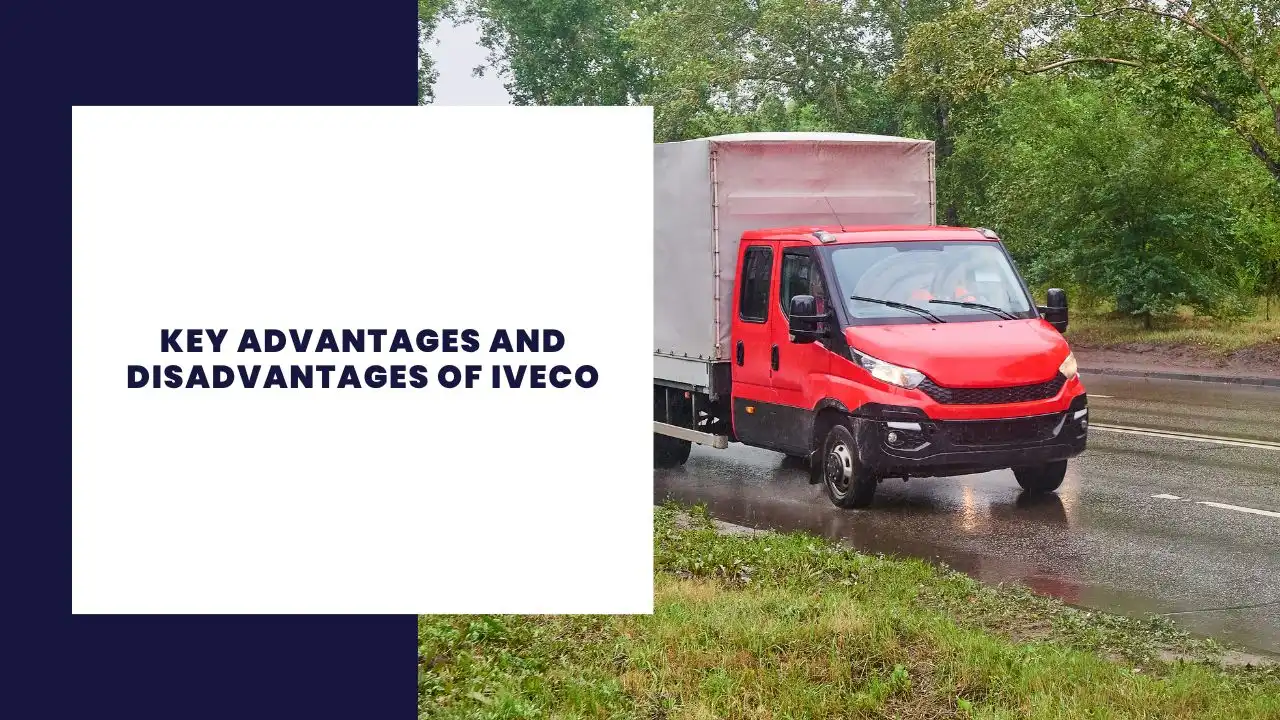
14 Key Advantages And Disadvantages Of Iveco
Iveco is a leading manufacturer of commercial vehicles, trucks, and vans with a long-standing reputation in the European and global markets. Known for its Iveco Daily, Stralis, and Trakker models, the brand has built a strong presence among businesses and drivers looking for reliable, versatile, and powerful vehicles. Whether it’s a 3.5t van, a heavy-duty dump truck, or tractor units for long-haul transport, Iveco offers a wide portfolio that meets diverse transport needs.
Yet, like any vehicle brand, Iveco comes with both strengths and challenges. Owners and operators often discuss issues related to reliability, fuel consumption, handling and operating, or common problems such as electrical concerns or gearbox maintenance. This article explores the 14 key advantages and disadvantages of Iveco, supported by reviews and tips from Iveco users, to help buyers and fleet managers make informed decisions.
Written by
- Redaction Team
- Business Planning, Entrepreneurship
Table of Contents
What Is Iveco?
Iveco, short for Industrial Vehicles Corporation, is an Italian company that produces commercial vehicles, vans, and heavy trucks. The brand is part of the CNH Industrial group and has become well-known for its innovation and adaptability in the transport sector.
The Iveco Daily van is one of its most successful models, appreciated for its payload, chassis versatility, and reliability. Other vehicles like the Iveco Stralis tractor units or the Trakker dump truck are recognized for their strength in heavy-duty operations. Iveco also produces 4×4 versions for more challenging terrains and has recently introduced the eDaily, reflecting a push toward electrification.
Iveco’s product range is complemented by modern driver assistance features such as lane departure warning, adaptive cruise control, lane keeping assist, tyre pressure monitoring, and traffic jam assist. With its wide choice of passenger seats, chassis cab designs, and body repair options, the brand caters to both commercial fleets and individual van drivers.
Advantages Of Iveco
1. Wide Vehicle Range
Iveco offers everything from commercial vans like the Iveco Daily to heavy-duty dump trucks and tractor units. This variety ensures that customers can find vehicles suitable for light deliveries, construction work, or long-distance logistics.
2. Strong Reputation For Reliability
Iveco has a reputation for reliability, especially with its Daily models. The vehicles are designed to endure high workloads, and many owners at Autoline report positive Iveco reviews regarding long-term performance.
3. Flexible Chassis Options
The Iveco Daily’s chassis flexibility allows it to be adapted into various body types, including chassis cab, tipper, or passenger transport. This versatility makes it a preferred choice for businesses that need custom-built solutions.
4. Comfortable Cabin And Passenger Seats
The cab of Iveco trucks is often praised for its ergonomic design, supportive passenger seats, and digital instrument cluster. Reviews of Iveco highlight how seats in the cabin improve comfort for both drivers and passengers.
5. Advanced Driver Assistance Features
Iveco offers systems like adaptive cruise control, lane departure warning, lane keeping assist, electronic braking, and traffic jam assist. These features improve safety, reduce driver fatigue, and enhance handling and operating.
6. Strong Powertrain And Torque
The Iveco Daily engines, Stralis tractors, and Trakker models deliver strong torque and powertrain performance. This strength enables the vehicles to tow heavy loads, manage steep inclines, and operate in demanding environments.
7. Sustainable Options With eDaily
The new Daily and eDaily models show Iveco’s commitment to electrification. They cater to businesses aiming to reduce emissions while maintaining payload capacity and reliability.
Disadvantages Of Iveco
1. Common Electrical Problems
Some owners report minor electrical problems with instrument panels, diagnostics, or electronic control systems. While not always serious, these issues can increase downtime and repair costs.
2. Gearbox And Injector Concerns
Iveco reviews often mention gearbox wear and the need to replace the injectors as common problems. These components may require overhaul or repair and maintenance sooner than expected.
3. Higher Fuel Consumption
Compared to some competitors, Iveco trucks and vans can have higher fuel consumption, especially diesel models. This can be a disadvantage for businesses seeking maximum efficiency.
4. Brake And Suspension Issues
Users occasionally highlight braking system challenges, including electronic braking sensitivity, and front suspension wear. These issues may affect handling and require regular maintenance.
5. Downtime From Repairs
While Iveco offers reliability in many cases, downtime due to diagnostics or repair and maintenance can impact business operations, particularly for fleet owners.
6. Mixed Iveco Reviews
Although many owners praise the vehicles, others express dissatisfaction in Iveco reviews, especially when they bought a used Iveco Daily with unresolved common problems. Helpful reviews and tips suggest careful inspection before purchase.
7. Higher Initial Costs
The cost of a new Daily or Stralis can be significant. While Iveco offers durability, some customers may prefer cheaper alternatives, particularly when considering smaller commercial vans.
Comparison Table Of The Pros And Cons Of Iveco
| Advantages | Disadvantages |
|---|---|
| Wide vehicle range (van to heavy-duty truck) | Common electrical problems |
| Strong reputation for reliability | Gearbox and injector concerns |
| Flexible chassis cab options | Higher fuel consumption |
| Comfortable cab and passenger seats | Brake and suspension issues |
| Advanced driver assistance features | Downtime from repairs |
| Strong torque and powertrain | Mixed Iveco reviews |
| Eco-friendly eDaily models | Higher initial costs |
SWOT Analysis Of Iveco
Strengths
Iveco’s strengths include its wide product range, reputation for reliability, and innovative driver assistance features. The Iveco Daily engines, Stralis tractors, and Trakker dump trucks provide strong torque and power for different industries.
Weaknesses
Weaknesses include common problems such as gearbox, injector, and minor electrical problems, as well as relatively high fuel consumption. These issues impact ownership costs and downtime.
Opportunities
The rise of electric vehicles and sustainable transport opens opportunities for the eDaily and future Iveco’s eco-friendly models. Expanding advanced driver assistance systems and improving fuel efficiency can also boost competitiveness.
Threats
Threats come from strong competition in the commercial van and truck market, rising diesel costs, and stricter Euro emissions regulations. If Iveco cannot adapt quickly, its market share could face challenges.
FAQs About Iveco
The Iveco Daily van is the most popular model, known for its reliability, payload, and versatile chassis cab design.
Many owners report that used Iveco models can be reliable if well maintained. However, reviews and tips from Iveco users recommend checking for injector, gearbox, and electrical problems before purchase.
Fuel consumption varies by model. Some diesel Iveco trucks and vans consume more fuel than competitors, though the eDaily addresses efficiency concerns.
Iveco offers adaptive cruise control, lane keeping assist, traffic jam assist, tyre pressure monitoring, and electronic braking systems to improve safety.
Iveco was founded in 1975 as a merger of Fiat and several other brands, and it has grown into a global manufacturer of commercial vans, trucks, and tractor units.
Conclusion Of Advantages And Disadvantages Of Iveco
Iveco has built a strong position in the global transport market with its diverse lineup of commercial vans, trucks, and tractor units. From the highly versatile Iveco Daily to the heavy-duty Stralis and Trakker, the brand continues to attract drivers and businesses that value reliability, payload, and advanced driver assistance systems.
However, disadvantages such as fuel consumption, gearbox and injector concerns, and occasional electrical problems must be considered. Mixed Iveco reviews show that while many owners praise the brand, others have experienced downtime and repair challenges.
Ultimately, those who bought the Iveco or a used Iveco Daily often agree that careful diagnostics, proper repair and maintenance, and attention to the chassis and powertrain can ensure long-term value. For van drivers and fleet owners seeking a balance of strength and innovation, Iveco offers a competitive option in the commercial vehicle market.
More about Business Planning