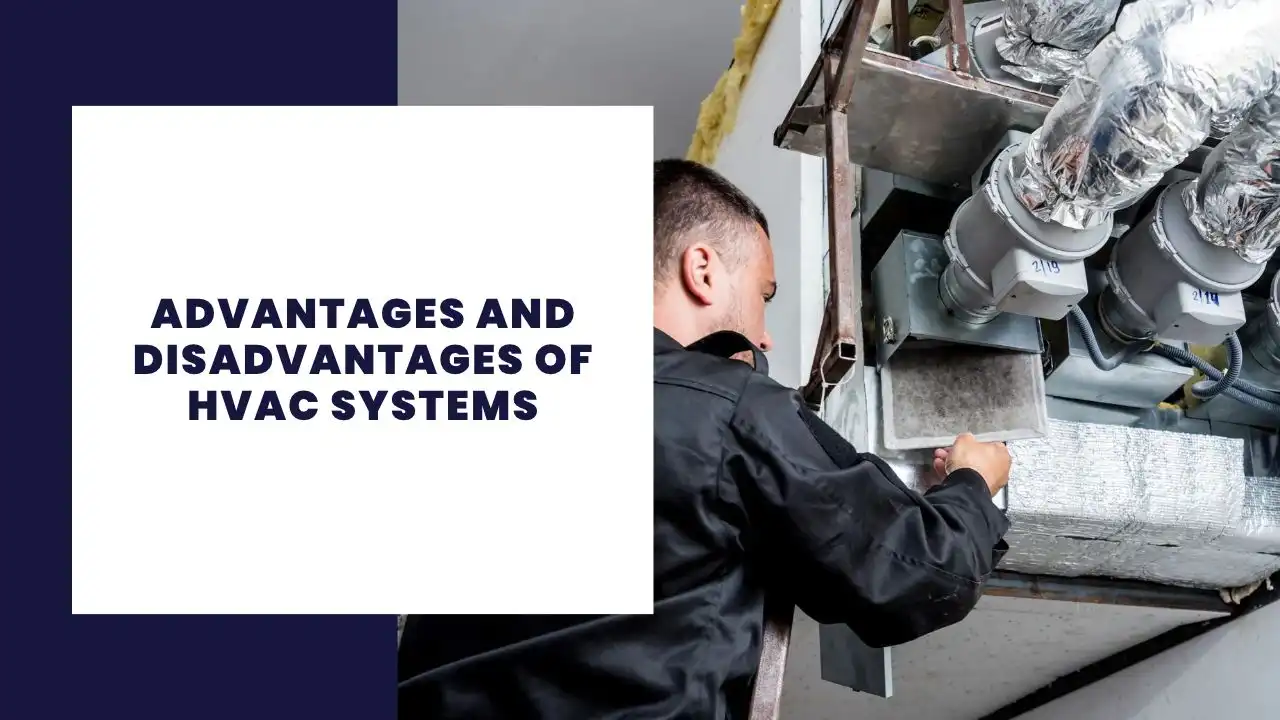
Heating, Ventilation, and Air Conditioning (HVAC) systems have become an integral part of modern life, providing comfort and improving indoor air quality in homes, offices, and commercial spaces. While they offer significant benefits, there are also drawbacks to consider. Understanding both sides can help homeowners and businesses make informed decisions about installing or upgrading their HVAC systems.
What is HVAC?
HVAC stands for Heating, Ventilation, and Air Conditioning. These systems are designed to regulate indoor climate by controlling temperature, humidity, and air quality. Heating components typically include furnaces or heat pumps that generate warmth during colder months, while air conditioning units cool indoor spaces during hot weather. Ventilation ensures proper airflow and fresh air circulation, reducing pollutants and allergens. HVAC systems can vary from simple window units to complex centralized systems that serve entire buildings.
Advantages of HVAC Systems
1. Enhanced Comfort and Temperature Control
One of the most significant benefits of HVAC systems is the ability to maintain a consistent and comfortable indoor temperature. Whether it’s warming a space during winter or cooling it in summer, these systems allow occupants to enjoy a pleasant environment regardless of outside weather conditions. Modern thermostats and smart controls further enable precise adjustments, ensuring maximum comfort with minimal effort.
2. Improved Indoor Air Quality
HVAC systems help filter and circulate air, reducing pollutants, allergens, and dust particles. Many systems include advanced filters that trap bacteria, mold spores, and other airborne contaminants, leading to healthier indoor environments. Proper ventilation also ensures a fresh supply of outdoor air, which can diminish the buildup of indoor pollutants and reduce the risk of respiratory issues.
3. Energy Efficiency and Cost Savings
Contemporary HVAC units are designed to be energy-efficient, consuming less electricity and reducing utility bills. Features like programmable thermostats and zoning systems allow users to optimize usage based on occupancy patterns, further saving energy. Investing in energy-efficient HVAC equipment can result in long-term financial savings, especially with government rebates and incentives promoting sustainable choices.
4. Increased Property Value
Installing a modern HVAC system can enhance the value of a property. Prospective buyers often prioritize homes with reliable and efficient climate control systems, recognizing the convenience and comfort they provide. An up-to-date HVAC setup can be a compelling selling point, especially in regions with extreme weather conditions.
5. Convenience and Automation
Many HVAC systems now come with smart technology, allowing remote control via smartphones or voice commands. Automated features enable systems to adjust themselves based on occupancy, time of day, or outdoor weather conditions. This level of convenience makes managing indoor climate effortless and ensures optimal comfort at all times.
6. Reduced Humidity and Mold Prevention
HVAC systems help regulate indoor humidity levels, which is crucial in preventing mold growth and structural damage. Proper humidity control not only enhances comfort but also protects the health of occupants by reducing mold spores and dust mites that thrive in damp environments.
7. Noise Reduction
Modern HVAC units are designed to operate quietly, minimizing noise pollution inside living and working spaces. This quiet operation is especially beneficial in bedrooms, offices, and study areas, contributing to a peaceful environment.
8. Customizable Climate Settings
Many HVAC systems offer customizable settings for different zones within a building. This zoning capability allows different rooms or areas to be heated or cooled independently, accommodating individual preferences and reducing energy waste.
9. Support for Sustainability Goals
With advancements in eco-friendly refrigerants and energy-efficient technologies, HVAC systems now support sustainability initiatives. They help reduce carbon footprints and promote environmentally responsible living and working environments.
10. Flexibility in Installation
HVAC systems are available in various sizes and configurations, making them adaptable to different building types and spaces. Whether it’s a small apartment or a large commercial complex, there are options suitable for every need.
11. Better Sleep Quality
Maintaining a consistent, comfortable temperature and humidity level can significantly improve sleep quality. HVAC systems help create an optimal sleeping environment by reducing temperature fluctuations and controlling allergens.
12. Less Dependence on Natural Ventilation
In urban settings or areas with high pollution, relying solely on natural ventilation might not be sufficient. HVAC systems provide a controlled environment, ensuring comfort and air quality regardless of outdoor conditions.
13. Support During Extreme Weather Events
In regions prone to extreme weather, HVAC systems can provide reliable heating or cooling during storms, heatwaves, or cold snaps, ensuring safety and comfort when outdoor conditions are harsh.
14. Potential for Integration with Renewable Energy
Emerging technologies allow HVAC systems to be integrated with renewable energy sources like solar panels, further reducing environmental impact and operational costs.
Disadvantages of HVAC Systems
1. High Initial Installation Costs
One of the most significant barriers to adopting HVAC systems is the upfront cost. Installation can be expensive, especially for large or complex systems, requiring professional labor, equipment, and ductwork. This initial investment may be prohibitive for some homeowners or small businesses.
2. Ongoing Maintenance and Repair Expenses
HVAC systems require regular maintenance, including filter changes, system inspections, and occasional repairs. Neglecting maintenance can lead to decreased efficiency and costly repairs over time. These ongoing expenses can add up, impacting the overall cost-effectiveness of the system.
3. Energy Consumption and Environmental Impact
Despite improvements in efficiency, HVAC systems still consume significant amounts of electricity, contributing to greenhouse gas emissions if the energy source is fossil fuels. Energy-intensive operation can also lead to high utility bills, especially in large or poorly maintained systems.
4. Potential for System Malfunctions
HVAC systems are complex, and technical issues can arise, leading to system breakdowns. Malfunctions may result in inadequate heating or cooling, discomfort, or increased energy consumption. Repairing these problems often requires professional service, which can be costly and inconvenient.
5. Noise Pollution
While modern systems are quieter, older or poorly maintained units can generate noise that disrupts daily activities or sleep. Noise issues can be a concern, particularly in quiet residential environments.
6. Space Requirements
HVAC equipment, especially central systems with ductwork, can take up considerable space. This may reduce usable interior space or require dedicated areas for equipment installation, which might not be feasible in small or space-constrained buildings.
7. Short Lifespan
HVAC systems typically have a lifespan of 10-15 years. After this period, they may become less efficient or require replacement, representing a significant expense and inconvenience.
8. Dependence on Power Supply
HVAC systems rely on a stable power source. Power outages can render them inoperable, leaving occupants uncomfortable during extreme weather conditions. Backup solutions are often necessary to ensure continuous climate control.
9. Environmental Concerns with Refrigerants
Some refrigerants used in HVAC systems have been linked to ozone depletion and global warming. Although newer, more environmentally friendly refrigerants are available, older systems may still contain harmful substances that require proper disposal or retrofitting.
10. Complexity of System Management
Modern HVAC systems with smart controls and zoning can be complex to operate and troubleshoot. Users may need specialized knowledge or professional assistance to optimize performance and resolve issues.
11. Potential for Indoor Air Quality Issues
If not properly maintained, HVAC systems can become breeding grounds for mold, bacteria, and dust accumulation, potentially worsening indoor air quality rather than improving it.
12. Risk of Overuse or Misuse
Over-reliance on HVAC systems, especially in energy-intensive settings, can lead to unnecessary energy consumption. Misuse or improper settings can negate energy savings and increase costs.
13. Seasonal Limitations
In some climates, HVAC systems may not be sufficient to handle extreme temperature variations without supplementary heating or cooling methods, leading to added expenses or the need for multiple systems.
14. Impact on Building Design and Aesthetics
Installing HVAC equipment, especially ductwork and vents, can influence the interior design and aesthetics of a space. Concealing or integrating these systems often requires additional planning and expense.
Comparison Table of the Pros and of HVAC Systems
| Advantages | Disadvantages |
|---|---|
| Enhanced comfort and temperature control | High initial installation costs |
| Improved indoor air quality | Ongoing maintenance and repair expenses |
| Energy efficiency and cost savings | Significant energy consumption and environmental impact |
| Increased property value | Potential for system malfunctions |
| Convenience and automation | Noise pollution |
| Better humidity and mold prevention | Space requirements for installation |
| Noise reduction | Short lifespan of equipment |
| Customizable climate settings | Dependence on a stable power supply |
| Support for sustainability goals | Environmental concerns with refrigerants |
| Flexibility in installation | Complexity of system management |
| Support during extreme weather events | Potential indoor air quality issues |
| Integration with renewable energy | Risk of overuse or misuse |
| Improved sleep quality | Seasonal limitations |
| Support for urban and polluted environments | Impact on building aesthetics |
The Future of HVAC Systems
The future of HVAC technology is poised for significant advancements driven by innovations in energy efficiency, environmental sustainability, and smart technology. Expect to see increased adoption of renewable energy integrations, such as solar-powered HVAC units, which can drastically reduce carbon footprints. Developments in refrigerant technology aim to phase out harmful chemicals, favoring eco-friendly alternatives.
Smart systems with AI-driven controls will become more prevalent, offering predictive maintenance, dynamic zoning, and personalized comfort settings. Additionally, the integration of HVAC with building automation systems will enable more efficient energy management at the building level. As climate change intensifies, HVAC systems will also evolve to handle more extreme weather conditions effectively, ensuring resilience and continued comfort.