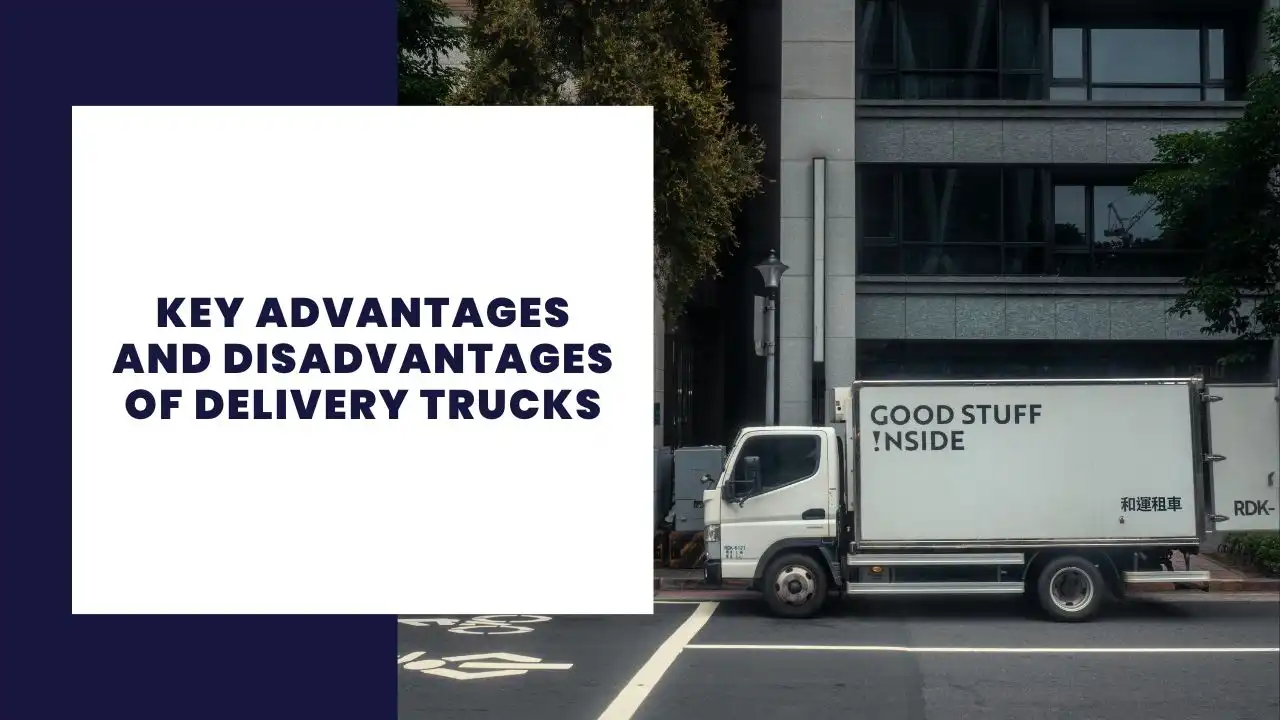
Delivery trucks play a central role in modern transportation systems. From local stores restocking shelves to global brands moving cargo across borders, the delivery truck has become a cornerstone of how businesses transport goods efficiently. As a mode of transportation, trucks support everything from short distances within cities to long-distance truck routes that connect hubs across regions. However, like any mode of transport, using trucks comes with clear advantages and disadvantages that shippers, logistics managers, and trucking companies must carefully consider.
Understanding the pros and cons of delivery trucks helps businesses choose the most cost-effective option for their transportation needs while minimizing delays, fuel costs, and environmental concerns.
What Is Delivery Truck Transportation
Delivery truck transportation refers to the movement of freight, cargo, or shipment using trucks as the primary carrier. This mode of transport covers a wide range of services, including full truckload (FTL), less than truckload (LTL), and specialized freight shipments such as refrigerated or hazardous loads. A delivery truck can carry anything from a single pallet to an entire trailer filled with large quantities of shipping goods.
Trucks are widely used in freight transportation because they offer door-to-door service, allowing a shipper to move cargo directly from a dock to its final destination. This reduces handling, simplifies logistics, and improves shipment visibility through tools like GPS tracking. Whether hauling goods across short distances or covering long distances, trucks remain one of the most versatile transportation modes available.
Advantages Of Delivery Trucks
1. Door-To-Door Convenience
One major advantage of a delivery truck is door-to-door transport. Trucks can pick up freight directly from a warehouse, dock, or hub and deliver it straight to the customer. This reduces the need for multiple carriers and minimizes handling, which lowers the risk of damage to cargo.
2. High Versatility Across Industries
Using trucks allows businesses to transport goods across nearly every industry. From retail and construction to food and healthcare, trucking companies can adapt fleets for different size and weight requirements. This versatility makes truck transportation a good solution for diverse transportation needs.
3. Cost-Effective For Short Distances
For short distances, trucks are often the most cost-effective option. The cost per shipment is typically lower compared to air or rail, especially when delivery times are tight. This makes truck transport ideal for regional shipping and frequent replenishment cycles.
4. Flexible Load Options (FTL and LTL)
Delivery trucks support both full truckload and less than truckload shipping. FTL is efficient when a shipper needs to move a large amount or fill an entire trailer, while LTL allows multiple shippers to share space. This flexibility helps minimize wasted capacity and control costs.
5. Faster Transit For Regional Routes
Compared to other freight transportation modes, trucks can offer faster transit times over medium and short distances. A well-planned route with a reliable truck driver can avoid unnecessary delays and ensure timely shipment delivery.
6. Wide Accessibility
Trucks can reach areas that other modes of transport cannot. Rural regions, small towns, and locations without rail or port access depend heavily on truck transportation. This accessibility strengthens supply chains and improves reliability.
7. Reduced Handling Of Cargo
Because trucks can move goods directly from origin to destination, there is less handling of pallets and freight shipments. Fewer transfers reduce the risk of damage, loss, or delay, which is a significant advantage in logistics operations.
8. Real-Time Shipment Visibility
Modern delivery trucks are equipped with GPS tracking and digital systems that improve shipment visibility. Shippers can monitor the load, route, and estimated arrival time, helping to streamline communication and planning.
9. Suitable For Specialized Freight
Trucks can be customized to refrigerate food, carry hazardous materials, or haul oversized cargo. This capacity to handle specialized transport goods makes trucking indispensable in many sectors.
10. Scalable Fleet Options
A trucking company can scale its fleet based on demand. During peak seasons, additional trucks can be deployed to haul large quantities, while smaller fleets can operate during slower periods. This scalability supports efficient logistics management.
Disadvantages Of Delivery Trucks
11. Fuel Costs And Fuel Consumption
One significant disadvantage of truck transportation is fuel costs. Rising fuel consumption directly impacts the cost per shipment, especially for long-distance truck routes. Fuel price volatility can make budgeting more difficult for shippers and carriers alike.
12. Environmental Impact
Delivery trucks contribute to gas emissions and overall environmental impact. Compared to some alternative transportation modes, trucking produces higher emissions per unit of freight, raising environmental concerns and regulatory pressure.
13. Limited Capacity Compared To Rail Or Sea
While trucks offer flexibility, their capacity is limited by size and weight restrictions. Transporting a large amount of cargo over long distances may be less efficient than rail or maritime shipping, particularly for bulk freight.
14. Risk Of Delays And Driver Constraints
Unexpected delays caused by traffic, weather, or road conditions can disrupt schedules. Additionally, truck driver availability and hours-of-service regulations can limit how far a driver can haul freight in a given time frame, affecting reliability.
Comparison Table Of The Pros And Cons Of Delivery Trucks
| Aspect | Pros | Cons |
|---|---|---|
| Cost | Cost-effective option for short distances and LTL | Higher fuel costs over long distances |
| Flexibility | Door-to-door, versatile mode of transport | Limited capacity compared to rail |
| Speed | Faster regional transport | Traffic and unexpected delays |
| Visibility | GPS tracking improves shipment visibility | Dependent on technology and connectivity |
| Environment | Efficient routing can minimize waste | Gas emissions and environmental concerns |
The Future Of Delivery Truck Transportation
The future of delivery truck transportation is closely tied to innovation and sustainability. Electric and hybrid trucks aim to reduce fuel consumption and emissions, making trucking more environmentally friendly. Advanced logistics software will continue to streamline routes, reduce delays, and improve reliability.
Automation, better fleet management, and smarter hubs will help trucking companies transport goods more efficiently. As environmental regulations tighten, the industry will adapt to balance cost-effective freight transportation with reduced environmental impact.
FAQs About Delivery Truck Transportation
What is the main advantage of truck transportation?
The main advantage is door-to-door service, which simplifies shipping and reduces handling of cargo.
Is trucking good for long distances?
Trucking works for long distances, but fuel costs and driver limits can make other modes more efficient for very long hauls.
What is the difference between FTL and LTL?
Full truckload uses an entire trailer for one shipper, while less than truckload shares space among multiple shipments.
How does trucking affect the environment?
Truck transportation produces gas emissions and contributes to environmental concerns, though newer technologies aim to reduce this impact.
Why do businesses rely on trucks for freight?
Businesses value trucking for its versatility, reliability, and ability to transport goods to almost any location.
Conclusion Of Advantages And Disadvantages Of Delivery Trucks
Delivery trucks remain a vital mode of transportation in global logistics. Their advantages of truck transportation include flexibility, door-to-door service, shipment visibility, and cost efficiency for short distances. At the same time, disadvantages such as fuel costs, environmental impact, and capacity limits must be carefully managed.
By understanding the advantages and disadvantages, shippers and logistics professionals can choose the right transport strategy, balance cost per shipment, and ensure reliable freight movement that meets modern transportation needs.