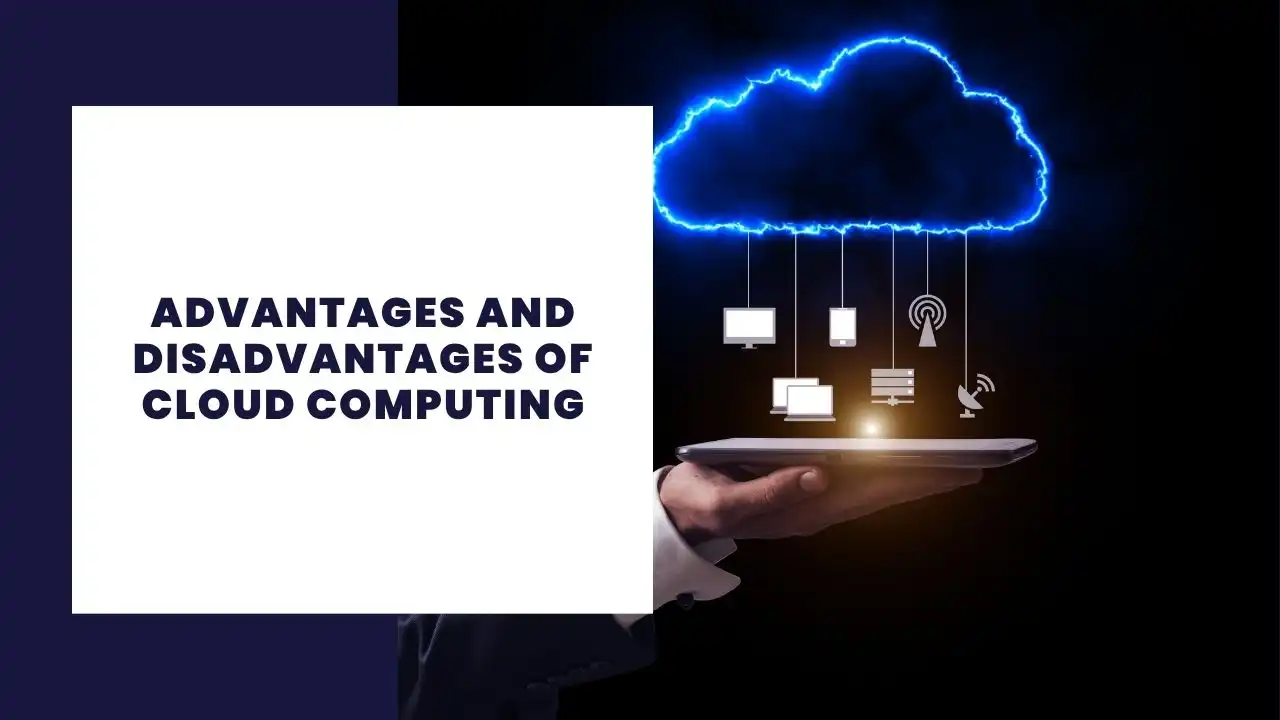
Cloud computing has revolutionized the way businesses and individuals access and manage data, applications, and services. It has transformed traditional IT infrastructure by offering flexible, scalable, and cost-effective solutions. However, like any technology, cloud computing comes with its own set of benefits and challenges. Understanding both the advantages and disadvantages is crucial for making informed decisions about adopting cloud services.
What Is Cloud Computing
Cloud computing refers to the delivery of computing services—including servers, storage, databases, networking, software, analytics, and intelligence—over the internet (“the cloud”). Instead of owning and maintaining physical data centers or servers, users can access technology resources on-demand from cloud providers. This model offers convenience, scalability, and efficiency by allowing users to pay only for the resources they consume.
Cloud computing services are typically categorized into three main models: Infrastructure as a Service (IaaS), Platform as a Service (PaaS), and Software as a Service (SaaS). Each model provides different levels of control, flexibility, and management, catering to a broad range of business needs.
Advantages of Cloud Computing
1. Cost Efficiency
One of the most significant advantages of cloud computing is the reduction in upfront capital expenditure. Instead of investing heavily in hardware, software, and infrastructure, businesses can leverage cloud services on a pay-as-you-go basis. This eliminates the need for costly maintenance and upgrades, leading to substantial cost savings.
2. Scalability and Flexibility
Cloud platforms provide the ability to scale resources up or down based on demand. This elasticity ensures that businesses can handle varying workloads without over-provisioning or under-utilizing their infrastructure. Whether a company experiences sudden growth or seasonal spikes, cloud computing can adapt quickly.
3. Accessibility and Mobility
Cloud computing enables users to access data and applications from anywhere with an internet connection. This promotes remote work, collaboration across geographies, and real-time access to information, enhancing productivity and operational efficiency.
4. Disaster Recovery and Backup
Cloud services often include integrated backup and disaster recovery solutions. Data stored in the cloud is typically replicated across multiple data centers, reducing the risk of data loss due to hardware failure, natural disasters, or cyber-attacks.
5. Automatic Software Updates
Cloud providers manage software updates, security patches, and infrastructure maintenance, relieving users from the burden of manual updates. This ensures that systems remain secure and up-to-date without disrupting business operations.
6. Enhanced Collaboration
Cloud platforms facilitate collaboration by allowing multiple users to work on documents, projects, or applications simultaneously. This real-time collaboration improves communication and accelerates decision-making processes.
7. Environmental Sustainability
By optimizing resource usage and reducing the need for physical hardware, cloud computing contributes to lower energy consumption and a smaller carbon footprint compared to traditional data centers.
Disadvantages of Cloud Computing
1. Security Concerns
Despite robust security measures, storing sensitive data in the cloud raises concerns about data breaches and unauthorized access. Users must trust cloud providers to implement sufficient security protocols and comply with regulatory standards.
2. Dependence on Internet Connectivity
Cloud computing relies heavily on internet access. In areas with poor connectivity or during network outages, users may experience limited or no access to cloud services, disrupting business operations.
3. Limited Control and Flexibility
Using cloud services means relinquishing some control over infrastructure and data management. Organizations may face restrictions in customizing hardware or software configurations to meet specific needs.
4. Potential Downtime
Cloud providers may experience outages or service interruptions due to technical issues, maintenance, or attacks. Such downtime can affect business continuity and customer experience.
5. Compliance and Legal Issues
Storing data in the cloud can complicate compliance with industry regulations and data sovereignty laws. Organizations must carefully evaluate the legal implications of where and how their data is stored.
6. Hidden Costs
While cloud computing reduces capital expenses, costs can accumulate through data transfer fees, premium support, or scaling beyond initial estimates. Budgeting for cloud services requires careful planning.
7. Vendor Lock-In
Switching cloud providers or migrating back to on-premises infrastructure can be challenging due to proprietary technologies and data formats. This vendor lock-in can limit flexibility and negotiating power.
Comparison Table of the Pros and Cons of Cloud Computing
| Aspect | Advantages | Disadvantages |
|---|---|---|
| Cost | Lower upfront investment, pay-as-you-go model | Potential hidden costs and unexpected fees |
| Scalability | Easy to scale resources up or down | May face limitations in customization |
| Accessibility | Access from anywhere with internet | Dependent on internet connectivity |
| Security | Advanced security protocols by providers | Concerns over data breaches and privacy |
| Maintenance | Automatic updates and maintenance | Limited control over timing and specifics |
| Disaster Recovery | Built-in backup and redundancy | Downtime risk if provider experiences issues |
| Compliance | Providers often comply with major standards | Complexity in meeting specific legal rules |
| Collaboration | Real-time multi-user collaboration | Vendor lock-in risks |
The Future of Cloud Computing
The future of cloud computing looks promising as technology continues to evolve. Trends like edge computing, artificial intelligence integration, and hybrid cloud environments are expected to enhance cloud capabilities further. Edge computing will bring processing closer to data sources, reducing latency and improving real-time analytics.
Artificial intelligence and machine learning models hosted on the cloud will enable businesses to gain deeper insights and automate complex tasks. Hybrid and multi-cloud strategies will allow organizations to balance security, performance, and cost by combining public and private cloud resources.
Moreover, sustainability initiatives will drive cloud providers to adopt greener technologies, making cloud computing more environmentally friendly. As regulatory frameworks mature, cloud security and compliance measures will strengthen, addressing many current concerns.
FAQs About Cloud Computing
1. Is cloud computing secure for sensitive data?
Cloud providers implement strong security measures, but users must also follow best practices like encryption and access controls to protect sensitive data.
2. Can cloud computing reduce IT costs?
Yes, cloud computing eliminates the need for large upfront investments in hardware and software, offering a pay-as-you-go model that can reduce overall IT expenses.
3. What types of cloud services are available?
The main types include Infrastructure as a Service (IaaS), Platform as a Service (PaaS), and Software as a Service (SaaS), each providing different levels of control and management.
4. How does cloud computing support remote work?
By enabling access to applications and data from any device with internet connectivity, cloud computing facilitates flexible work environments and collaboration.
5. What are the risks of vendor lock-in?
Vendor lock-in occurs when migrating between cloud providers is difficult due to proprietary technologies, potentially limiting flexibility and increasing costs.
Conclusion of Advantages and Disadvantages of Cloud Computing
Cloud computing offers transformative benefits such as cost savings, scalability, accessibility, and enhanced collaboration, making it a compelling choice for businesses and individuals alike. However, it is not without challenges, including security risks, dependency on internet connectivity, and potential vendor lock-in.
Careful evaluation of these advantages and disadvantages is essential to determine if cloud computing aligns with an organization’s goals, compliance requirements, and operational needs. With ongoing technological advancements and evolving best practices, cloud computing will continue to shape the future of IT infrastructure and digital innovation.