
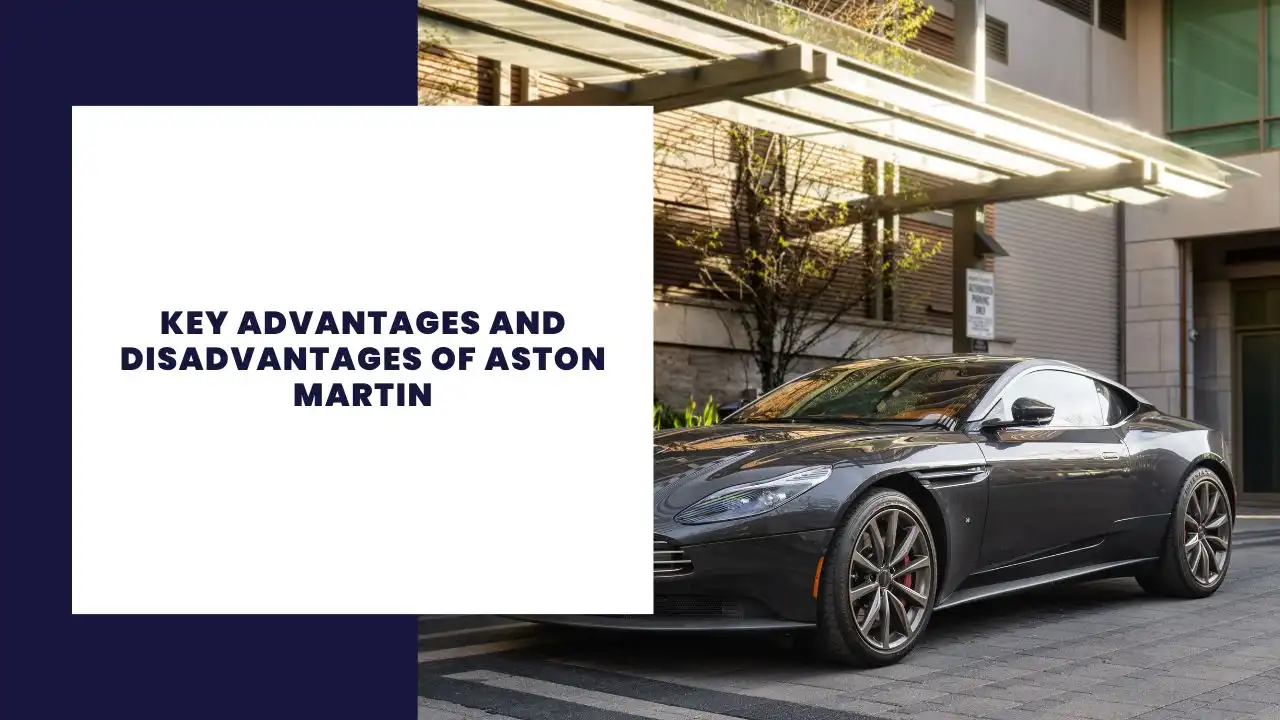
14 Key Advantages and Disadvantages of Aston Martin
Few automotive brands capture the essence of timeless elegance and performance like Aston Martin. Synonymous with luxury, sophistication, and British craftsmanship, Aston’s lineup of sports cars and grand tourers continues to enchant enthusiasts around the world. From the iconic DB9 to the Vantage, DB11, and the breathtaking DBS Superleggera, the marque has cemented its reputation among top luxury brands such as Porsche, Mercedes-Benz, and Jaguar.
However, while owning an Aston Martin is a dream for many, it comes with its share of pros and cons. Beyond its striking design and powerful V12 or V8 engines lies a complex reality of running costs, maintenance, and depreciation that potential buyers should consider carefully.
This article breaks down the 14 key advantages and disadvantages of Aston Martin, offering an in-depth look into what makes the brand both alluring and challenging for owners.
Written by
- Redaction Team
- Business Planning, Entrepreneurship
Table of Contents
What is Aston Martin?
Aston Martin is a British manufacturer of luxury sports cars and grand tourers (GTs), founded in 1913 by Lionel Martin and Robert Bamford. Over the decades, Aston’s cars have become synonymous with luxury, exclusivity, and performance, embodying a perfect blend of craftsmanship and engineering excellence.
The brand gained worldwide fame through its long-standing association with James Bond, reinforcing its image as the ultimate gentleman’s car. From the DB5 featured in 007 films to the modern DB11 and Vantage, Aston Martin has consistently created vehicles that balance style, power, and refinement.
Modern Aston Martin models often use 4.0-litre AMG twin-turbo V8 engines or 5.2-litre V12 engines, delivering immense torque, quick throttle response, and exhilarating driving experiences. These engines, combined with elegant interiors, bespoke customization, and limited production numbers, make every Aston a collector’s dream.
Advantages of Aston Martin
1. Timeless Design and Craftsmanship
Aston Martin cars are admired for their bespoke craftsmanship and elegant styling. Each coupe or GT is handcrafted with meticulous attention to detail, ensuring that every Aston’s design stands out. The sleek body lines, premium materials, and sculpted aesthetics make them works of art on wheels.
2. Powerful Engines and Performance
Under the hood, Aston Martins boast powerful engines such as the 4.0-litre twin-turbo V8 and the mighty V12. These deliver exceptional BHP, strong torque, and a thrilling exhaust note that defines the brand’s driving experience. The V8 Vantage and DBS Superleggera showcase blistering acceleration and high-performance dynamics comparable to any exotic car.
3. Exclusivity and Limited Production
Aston Martin’s low production numbers add an unmatched level of exclusivity. Unlike mass-produced luxury cars, owning an Aston often means owning a rare piece of automotive history. This exclusivity appeals to loyal followers and collectors who value rarity and prestige.
4. Luxurious Interiors and Customization Options
Aston’s interiors are a blend of bespoke customization and luxurious materials. From premium leather upholstery to handcrafted wood veneers and aluminum finishes, owners can personalize every element. This focus on craftsmanship and customization ensures a tailored ownership experience.
5. Thrilling Driving Experience
The Aston Martin Vantage and DB11 are engineered for performance and comfort. Responsive steering, smooth transmission systems, and a balanced chassis create a refined yet dynamic driving experience, whether on winding roads or the motorway.
6. Iconic Brand Heritage
Aston Martin’s heritage, dating back over a century, brings immense prestige. Its association with James Bond and participation in motorsport have given it a place among the world’s most respected luxury brands.
7. Comfortable Grand Touring Capabilities
Many Aston Martin models such as the DB9, DB11, and DBS Superleggera function as true grand tourers, combining performance with long-distance comfort. Their well-tuned suspensions and refined ride quality make them suitable for highway and motorway cruising.
Disadvantages of Aston Martin
1. High Running Costs
One of the major disadvantages of owning an Aston Martin is the running costs. Premium fuel, specialized servicing, and expensive parts and labor contribute to higher ownership expenses, even in the first few years of ownership.
2. Depreciation and Resale Value
Despite their exclusivity, Aston Martins tend to depreciate faster than rivals like Porsche. High depreciation rates and limited demand in the used Aston Martin market can make resale challenging for owners looking to upgrade.
3. Expensive Repairs and Maintenance
Repair costs can be significant, especially for older models or cars out of extended warranties. The specialized nature of Aston’s engineering means even consumable parts are costly, leading to potential unexpected repairs.
4. Fuel Consumption and Efficiency
With large V8 and V12 engines, Aston Martins are not known for fuel efficiency. High fuel consumption is a natural trade-off for the car’s performance and throttle response, making them less ideal for budget-conscious drivers.
5. Outdated Infotainment Systems in Older Models
While new models offer improved infotainment systems, older cars, particularly from 2021 or earlier, feature outdated tech. The nav interface and screen responsiveness lag behind rivals, affecting the modern ownership experience.
6. Limited Practicality and Rear Seats
Though elegant, Aston’s coupe designs offer limited rear seats and boot space. For daily use, this lack of practicality may deter buyers seeking a more versatile luxury sports car.
7. Reliability Concerns in Older Astons
While newer cars are quite reliable, older models like the DB9 or early V8 Vantage may face issues related to the gearbox, electrical systems, and infotainment. A thorough pre-purchase inspection is crucial for anyone considering a pre-owned Aston Martin to avoid hidden issues.
Comparison Table of the Pros and Cons of Aston Martin
| Pros | Cons |
|---|---|
| Timeless design and craftsmanship | High running costs |
| Powerful engines and thrilling performance | Fast depreciation |
| Exclusivity and limited production | Expensive repairs and parts |
| Luxurious interiors and customization | Poor fuel efficiency |
| Comfortable grand touring experience | Outdated infotainment in older models |
| Strong brand heritage | Limited practicality |
| Bespoke ownership experience | Reliability concerns in older models |
SWOT Analysis of Aston Martin
Strengths
Aston Martin’s greatest strengths lie in its design excellence, luxurious interiors, and powerful engines. The brand’s heritage, association with James Bond, and exclusivity make it a strong competitor among luxury sports car manufacturers.
Weaknesses
Its weaknesses include high repair costs, depreciation, and relatively poor fuel economy. Limited practicality and sometimes outdated technology can also reduce appeal compared to newer Mercedes-AMG or Porsche rivals.
Opportunities
Expanding into electric models (EVs) and improving infotainment and safety features can attract modern buyers. Enhanced service coverage and competitive extended warranties could further improve the ownership experience.
Threats
The biggest threats come from rival luxury brands like Porsche, Jaguar, and Mercedes-Benz, which offer performance vehicles with lower running costs and greater reliability. Economic downturns or shifts in fuel regulations could also affect new car sales.
FAQs About Aston Martin
Yes, owning an Aston Martin involves high running costs, including fuel, service, and parts and labor. Maintenance is premium due to the car’s handcrafted engineering and limited production.
The Aston Martin Vantage and DB11 are great choices for daily driving, balancing performance and comfort. Their automatic transmission and refined ride quality make them practical grand tourers.
Newer Aston Martins are quite reliable, especially the 2023 and 2021 models using AMG engines. However, older models may require more frequent maintenance.
Before purchasing a pre-owned Aston, it’s essential to get a pre-purchase inspection to detect hidden issues such as gearbox, nav, or electrical faults.
While they have a loyal following, Aston Martins generally depreciate faster than Porsche or Mercedes-Benz. Maintaining low mileage and good service history helps retain resale value.
Conclusion of Advantages and Disadvantages of Aston Martin
Aston Martin remains a symbol of luxury and performance, offering an unmatched blend of design, heritage, and driving excitement. Its powerful engines, bespoke interiors, and exclusive craftsmanship make it one of the most desirable luxury sports cars in the world.
However, potential buyers should explore the pros and cons carefully. High running costs, repair expenses, and depreciation can significantly affect long-term ownership experience. Yet for those seeking a high-performance GT with character, style, and British sophistication, an Aston Martin—be it the Vantage, DB11, or DBS Superleggera—remains a rewarding choice that few other performance vehicles can match.
More about Business Planning