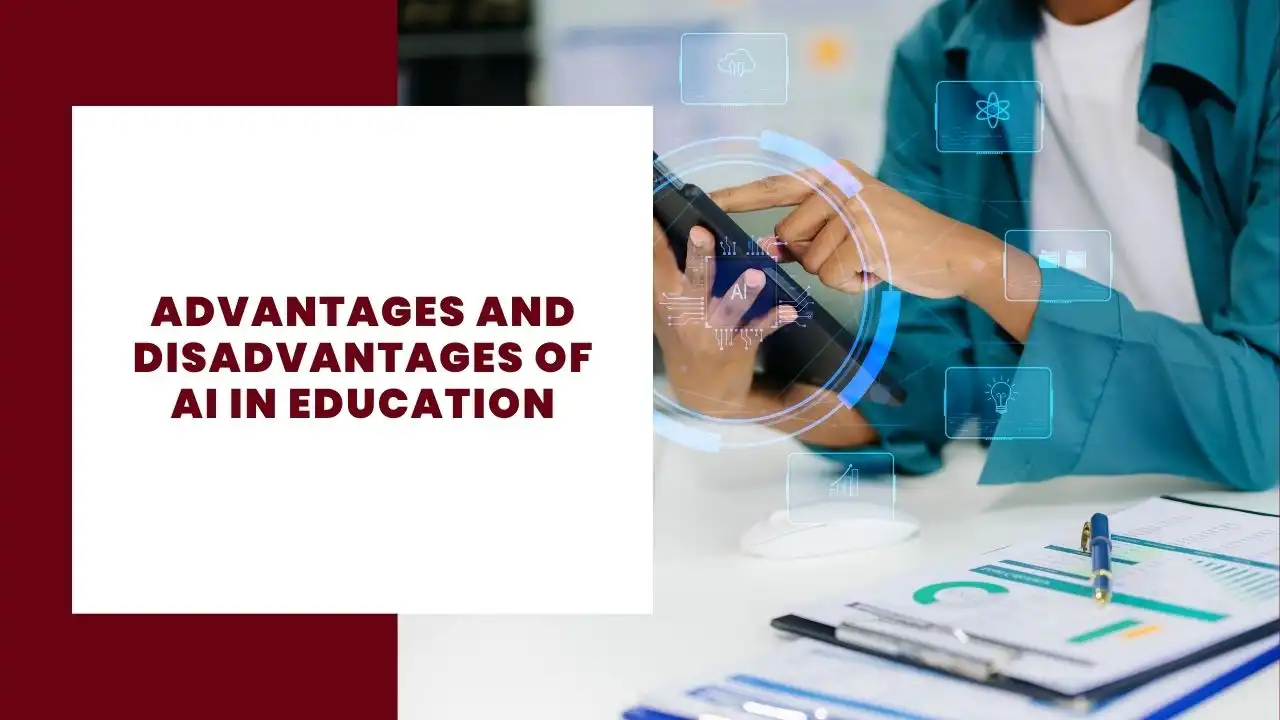
Artificial Intelligence (AI) is rapidly transforming various sectors, and education is no exception. The integration of AI in educational settings promises to enhance learning experiences, streamline administrative tasks, and personalize education. However, as with any technological advancement, AI in education comes with its own set of challenges and concerns. Understanding both the benefits and drawbacks is essential for educators, policymakers, and students to navigate this evolving landscape effectively.
What is AI in Education
AI in education refers to the use of artificial intelligence technologies to support teaching, learning, and administrative processes within educational institutions. These technologies include machine learning algorithms, natural language processing, intelligent tutoring systems, and data analytics. AI tools can analyze student data, adapt learning materials to individual needs, automate grading, and facilitate virtual learning environments. The goal of AI in education is to create more efficient, personalized, and accessible learning experiences for students of all ages.
Advantages of AI in Education
1. Personalized Learning Experiences
AI can tailor educational content to fit the unique learning pace, style, and preferences of each student. Through continuous assessment and data analysis, AI systems identify strengths and weaknesses, allowing for customized lesson plans that address specific needs. This personalization helps students stay engaged and improves their overall learning outcomes.
2. Efficient Administrative Tasks
Administrative duties such as grading, attendance tracking, and scheduling can be time-consuming for educators. AI-powered tools can automate these repetitive tasks, freeing up valuable time for teachers to focus on instruction and student interaction. This efficiency also reduces human error and improves record-keeping accuracy.
3. Intelligent Tutoring Systems
AI-driven tutoring systems provide students with real-time feedback and support outside the classroom. These systems can simulate one-on-one tutoring by answering questions, providing hints, and guiding learners through complex problems. Such accessibility promotes independent learning and helps students overcome challenges more effectively.
4. Enhanced Accessibility
AI technologies can make education more accessible to students with disabilities. For example, speech recognition and text-to-speech applications assist those with visual or hearing impairments. AI can also translate content into multiple languages, breaking down language barriers and fostering inclusive learning environments.
5. Data-Driven Insights for Educators
By analyzing large volumes of student performance data, AI provides educators with actionable insights. These insights can highlight trends, identify at-risk students, and suggest interventions to improve teaching strategies. Data-driven decision-making ultimately leads to better educational outcomes.
6. Scalability of Quality Education
AI enables the delivery of high-quality education to a broader audience, including remote and underserved communities. Online platforms powered by AI can offer consistent instruction and resources regardless of geographical limitations, helping to bridge educational gaps.
7. Continuous Improvement and Adaptation
AI systems can constantly learn and adapt based on new data and interactions. This capability ensures that educational tools evolve to meet changing curricula, student needs, and technological advancements, keeping education relevant and effective.
Disadvantages of AI in Education
1. High Implementation Costs
Deploying AI technologies in educational institutions often requires significant investment in software, hardware, and training. Many schools, especially in low-income areas, may struggle to afford these costs, leading to disparities in access to AI-enhanced education.
2. Privacy and Data Security Concerns
AI systems rely heavily on collecting and analyzing student data, raising concerns about privacy and data protection. Unauthorized access, data breaches, or misuse of sensitive information could compromise student safety and trust in educational institutions.
3. Reduced Human Interaction
While AI can provide personalized learning support, it cannot fully replace the empathy, mentorship, and social interaction provided by human teachers. Overreliance on AI tools might diminish critical interpersonal skills and reduce opportunities for collaborative learning.
4. Risk of Algorithmic Bias
AI algorithms are only as unbiased as the data they are trained on. If the training data contains biases, AI systems may perpetuate or even amplify inequalities in education, unfairly disadvantaging certain groups of students.
5. Technical Challenges and Reliability Issues
AI systems can sometimes malfunction or deliver inaccurate recommendations due to technical glitches or flawed programming. Such errors can disrupt learning processes and erode confidence in AI tools.
6. Lack of Flexibility in Complex Situations
AI excels in structured tasks but struggles with complex, nuanced educational scenarios that require creativity, critical thinking, or emotional intelligence. This limitation restricts the scope of AI’s effectiveness in education.
7. Potential Job Displacement
The automation of administrative and some teaching functions raises concerns about job security for educators and support staff. While AI can augment human roles, there is fear that it might replace certain positions, leading to workforce reductions.
Comparison Table of the Pros and Cons of AI in Education
| Advantages | Disadvantages |
|---|---|
| Personalized learning tailored to students | High costs of implementation |
| Automation of administrative tasks | Privacy and data security issues |
| Intelligent tutoring systems provide support | Reduced human interaction |
| Enhanced accessibility for disabled students | Risk of algorithmic bias |
| Data-driven insights for educators | Technical challenges and reliability issues |
| Scalability for remote and underserved areas | Lack of flexibility in complex scenarios |
| Continuous improvement of educational tools | Potential job displacement |
The Future of AI in Education
The future of AI in education holds immense promise as technology continues to mature. Advances in natural language processing and machine learning will enable even more sophisticated and intuitive educational tools. AI is expected to foster greater inclusivity by providing adaptive learning solutions for diverse student populations. However, the development of ethical frameworks and robust data protection policies will be crucial to addressing privacy and bias concerns. Collaboration between educators, technologists, and policymakers will shape AI’s role in education, ensuring it complements rather than replaces the human element. Ultimately, AI has the potential to revolutionize education by making learning more effective, accessible, and engaging for all.
FAQs About AI in Education
Q1: How does AI personalize learning for students?
AI analyzes student performance data and learning behaviors to adapt content, pace, and difficulty levels, creating a customized learning path for each individual.
Q2: Can AI replace teachers in the classroom?
No, AI is designed to assist and augment teachers rather than replace them. Human interaction remains essential for mentorship, social development, and emotional support.
Q3: What are the main privacy concerns with AI in education?
The collection and storage of sensitive student data pose risks of unauthorized access, breaches, and misuse, highlighting the need for strong data security measures.
Q4: How can AI help students with disabilities?
AI-powered tools like speech recognition, text-to-speech, and language translation provide accessible learning materials and communication aids tailored to individual needs.
Q5: What challenges do schools face when implementing AI?
Schools may struggle with high costs, technical infrastructure requirements, training staff, and addressing ethical concerns such as bias and privacy.
Conclusion of Advantages and Disadvantages of AI in Education
AI in education offers transformative advantages, including personalized learning, administrative efficiency, and expanded accessibility. These benefits have the power to enhance educational quality and equity on a global scale. However, the technology also presents significant challenges such as high costs, privacy risks, and the potential reduction of human interaction. Addressing these disadvantages requires careful planning, ethical considerations, and ongoing collaboration among stakeholders. By balancing the strengths and limitations of AI, education systems can harness its full potential while safeguarding the essential human elements that foster meaningful learning and development.