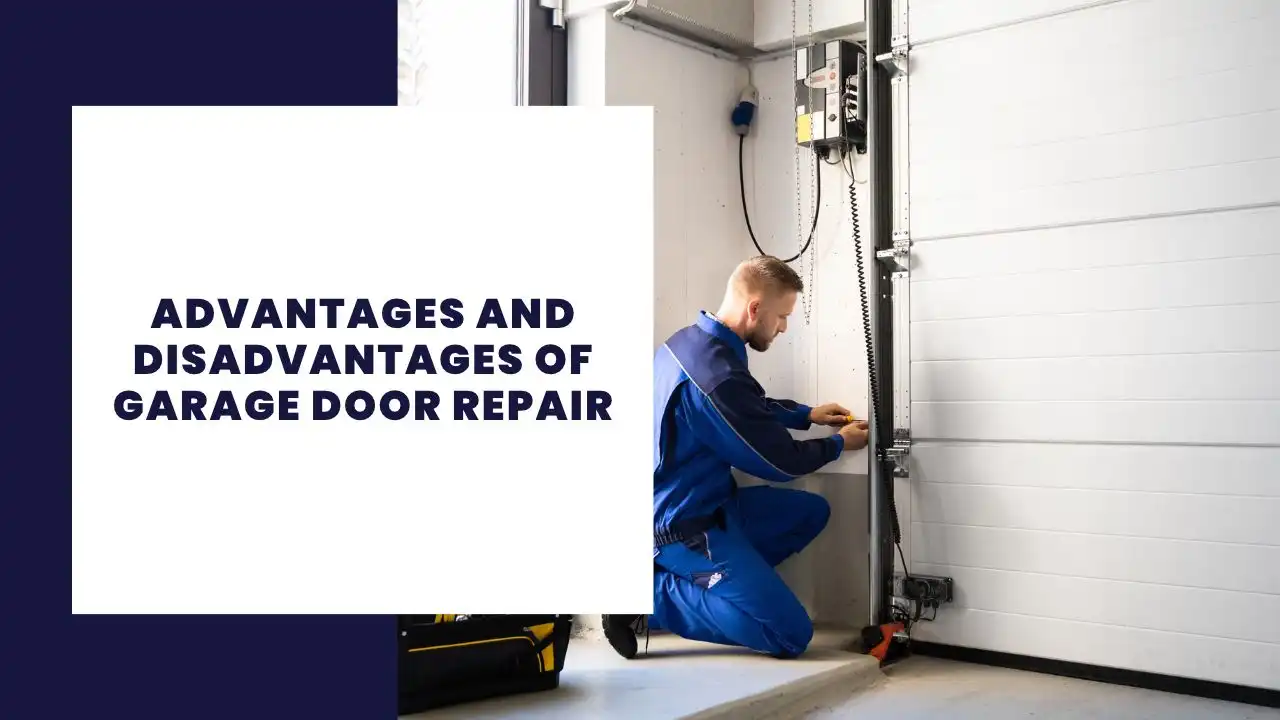
Garage door repair is an essential service for homeowners and business owners alike. A well-functioning garage door not only enhances the aesthetic appeal of a property but also ensures safety, security, and convenience. However, like any home improvement or maintenance task, garage door repair comes with its own set of benefits and drawbacks. Understanding these can help you make informed decisions about when and how to undertake repairs, whether DIY or professional.
What Is Garage Door Repair
Garage door repair involves diagnosing and fixing issues related to the operation, safety, and structural integrity of a garage door. Common problems include broken springs, malfunctioning openers, misaligned tracks, or damaged panels. Repairs can range from simple adjustments to complex replacements of parts. The goal is to restore the garage door to its optimal functioning state, ensuring it opens smoothly, closes securely, and operates safely.
Advantages of Garage Door Repair
1. Enhanced Safety and Security
One of the primary benefits of repairing a garage door is improved safety. A malfunctioning door can pose serious risks, such as sudden falls or unintended closures, which could injure people or pets. Repairing issues like broken springs or faulty sensors reduces these hazards. Additionally, a properly functioning garage door secures your property by preventing unauthorized access, especially when security features like auto-locking mechanisms are in place.
2. Increased Convenience
A smoothly operating garage door offers significant convenience. When repairs are made promptly, you avoid the frustration of dealing with a door that sticks, makes noise, or refuses to open. This is especially important during bad weather or emergencies when quick access is needed. Repairing sensors and openers ensures that your garage door responds accurately to remote commands or keypad inputs.
3. Cost-Effective in the Long Run
Addressing garage door issues early can save you money over time. Small repairs, such as replacing worn-out rollers or lubricating moving parts, are generally inexpensive compared to complete replacements. Regular maintenance and timely repairs extend the lifespan of your garage door components, reducing the need for costly replacements down the line.
4. Improved Aesthetic Appeal
A well-maintained garage door enhances the overall look of your property. Repairing dents, scratches, or broken panels restores its visual appeal. This can be particularly beneficial if you plan to sell your home, as curb appeal plays a significant role in attracting buyers and increasing property value.
5. Prevention of Further Damage
Timely repairs prevent minor issues from escalating into major problems. For example, a misaligned track can cause the entire door system to malfunction or break. Addressing such issues early ensures the longevity of the garage door and reduces the likelihood of unexpected breakdowns that could lead to higher repair costs.
6. Increased Property Value
A functional and attractive garage door can boost your property’s value. Potential buyers view a well-maintained garage as a sign of overall good upkeep. Repairing and maintaining your garage door can be a worthwhile investment, especially if you’re planning to sell your home.
7. Energy Efficiency
Garage doors that are in good repair help maintain the insulation of your garage. Fixing gaps, leaks, or damaged panels prevents drafts, helping to regulate indoor temperatures. This can lead to lower energy bills, especially in climates with extreme temperatures.
8. Reduced Noise Pollution
Old or damaged garage doors often produce loud squeaks or rattles during operation. Repairing or replacing worn parts can significantly reduce noise levels, creating a quieter environment both inside and outside your garage.
9. Increased Lifespan of Garage Door Components
Regular repairs and maintenance extend the life of your garage door parts. Components like springs, cables, rollers, and hinges are subject to wear and tear. Addressing issues early prevents premature failure, saving you from frequent replacements.
10. Enhanced Safety Features
Modern garage doors come equipped with safety features like sensors that prevent the door from closing on objects or people. Repairing or upgrading these features ensures your garage door operates safely, reducing the risk of accidents.
11. Environmental Benefits
A properly functioning garage door minimizes energy waste, which can contribute to reducing your carbon footprint. Additionally, repairing rather than replacing parts reduces waste and promotes environmentally responsible maintenance.
12. Customization Opportunities
Garage door repairs often open the door to customization options. You can choose new styles, colors, or materials that better match your home’s aesthetic, giving your property a fresh, updated look.
13. Peace of Mind
Knowing your garage door is functioning correctly provides peace of mind. You can rest assured that your belongings and family are protected, and you won’t face unexpected breakdowns that could leave you stranded outside.
14. Compliance with Safety Regulations
Regular repairs ensure your garage door meets safety standards and regulations. This is particularly important for commercial properties or homes in areas with strict safety codes, preventing legal issues or fines.
Disadvantages of Garage Door Repair
1. Cost of Repairs
While minor repairs are affordable, more extensive issues can become expensive. Replacing springs, cables, or entire panels can cost hundreds of dollars, especially if professional services are involved. Unexpected repair costs can strain your budget.
2. Time-Consuming Process
Garage door repairs can be time-consuming, particularly if you lack experience or if the problem is complex. Scheduling professional repairs or attempting DIY fixes may take several hours or even days, disrupting your daily routine.
3. Risk of Injury
Garage door components like springs and cables are under high tension and can cause injury if mishandled. DIY repairs pose safety risks, especially for inexperienced individuals. Professional repair services mitigate this risk but come at an additional cost.
4. Potential for Incomplete Repairs
Attempting DIY repairs without proper knowledge can lead to incomplete or improper fixes. This can result in recurring issues, further damage, or safety hazards. Relying on unqualified technicians may also lead to subpar work.
5. Dependence on Professional Technicians
Some repairs require specialized tools and expertise. Dependence on professional technicians means scheduling appointments and waiting for service, which may not be immediate. This can be inconvenient during urgent situations.
6. Limited Lifespan of Repairs
Repairs are often temporary solutions. Certain components may still be close to failure, necessitating future repairs or replacements. This ongoing cycle can be frustrating and costly over time.
7. Environmental Impact of Repairs
Manufacturing and disposing of replacement parts have environmental implications. Frequent repairs and replacements contribute to waste and resource consumption, raising sustainability concerns.
8. Possible Over-Repair
In some cases, homeowners may over-repair or replace parts unnecessarily, leading to higher costs without significant benefits. Proper assessment and advice from professionals are essential to avoid this.
9. Compatibility Issues
Replacing certain components may require matching specific sizes or styles. Compatibility issues can arise, especially with older garage doors, leading to additional modifications or purchases.
10. Temporary Disruption
Repair work, especially involving large parts or structural adjustments, can cause temporary disruption to daily activities. Noise and mess during repairs may also be inconvenient.
11. Warranty and Service Limitations
Some repairs or parts may not be covered under warranty, leading to out-of-pocket expenses. Additionally, warranties may have limitations, requiring careful review before proceeding.
12. Potential for Over-Dependence on Technology
Upgrading to automated or smart garage doors involves reliance on technology, which can malfunction or become obsolete, leading to additional repair or upgrade costs.
13. Limited Repair Options for Old Doors
Older garage doors may have outdated parts that are difficult to repair or replace. In such cases, repair may not be feasible, and replacement might be the only option.
14. Hidden or Underlying Issues
Sometimes, visible problems are symptoms of deeper structural issues. Repairs may address surface symptoms but leave underlying problems unaddressed, causing recurring issues.
Comparison Table of the Pros and Cons of Garage Door Repair
| Advantages | Disadvantages |
|---|---|
| Enhances safety and security | Can be costly for extensive repairs |
| Offers increased convenience | Time-consuming, especially DIY efforts |
| Cost-effective in the long run | Risk of injury during DIY repairs |
| Improves aesthetic appeal | Potential for incomplete or improper repairs |
| Prevents further damage | Dependence on professional technicians |
| Boosts property value | Repairs may have limited lifespan |
| Improves energy efficiency | Environmental impact of parts manufacturing |
| Reduces noise pollution | Possible over-repair or unnecessary replacements |
| Extends component lifespan | Compatibility issues with older doors |
| Ensures safety features work properly | Temporary disruption during repairs |
| Environmental benefits | Warranty and service limitations |
| Opportunities for customization | Over-dependence on technology |
| Provides peace of mind | Hidden or underlying issues may remain |
| Ensures compliance with safety standards | Repair costs can escalate quickly |
The Future of Garage Door Repair
Advancements in technology and materials are shaping the future of garage door repair. Smart garage doors with integrated sensors and remote diagnostics are becoming more common, allowing for quicker identification of issues and easier repairs. Materials such as reinforced steel, composite, and high-performance polymers are increasing the durability and lifespan of garage doors, reducing the frequency of repairs needed. Additionally, the integration of automation and AI-driven maintenance alerts will likely make repairs more proactive rather than reactive, minimizing downtime and costs.
The trend towards eco-friendly and sustainable repair practices is also gaining momentum. Recyclable parts and environmentally conscious manufacturing processes will become standard. As safety standards evolve, future garage door repairs will emphasize not only functionality but also enhanced safety features, ensuring that users are protected at all times.