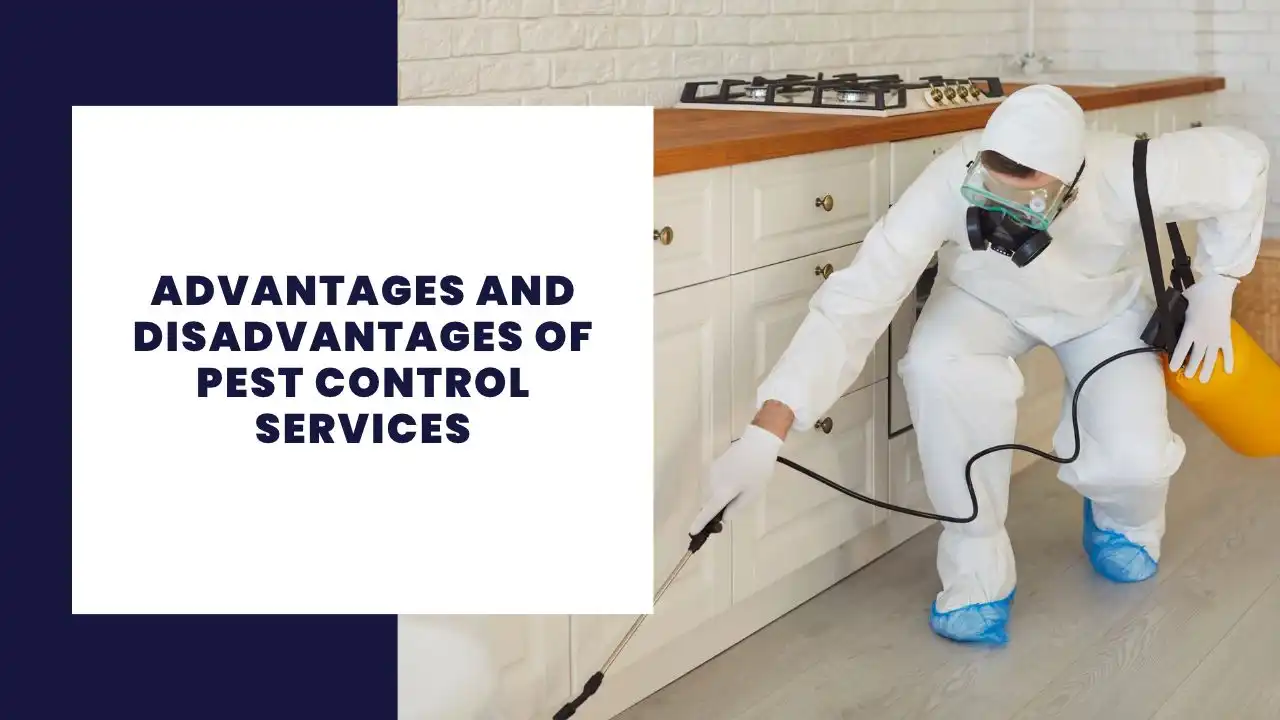
Effective pest control is an essential aspect of maintaining a safe, healthy, and comfortable environment in homes and businesses alike. While pests such as rodents, insects, and other unwanted critters can cause significant damage and health issues, choosing the right pest control service involves understanding both the benefits and potential drawbacks. This comprehensive guide highlights the key advantages and disadvantages of pest control services, helping you make informed decisions for your property.
What is Pest Control Services?
Pest control services involve the professional management and elimination of pests that invade residential, commercial, or industrial spaces. These services typically include inspection, identification, and treatment to eradicate pests and prevent future infestations. Pest control professionals use various methods, including chemical treatments, traps, and eco-friendly solutions, tailored to the specific pests and environment.
The goal of pest control is not just to eliminate pests but also to ensure the safety of inhabitants, protect property, and reduce health risks. With a wide array of treatment options available, pest control services are an essential component of maintaining hygiene and safety in many settings.
Advantages of Pest Control Services
1. Health and Safety Protection
One of the primary benefits of professional pest control is safeguarding the health of residents and employees. Pests such as rodents, cockroaches, and mosquitoes can transmit diseases like hantavirus, salmonella, and West Nile virus. Pest control services help reduce these health risks by effectively eliminating pests and preventing their spread.
Professionals use targeted treatments that minimize exposure to harmful chemicals, ensuring the safety of everyone in the space. Regular pest control maintenance can significantly decrease the likelihood of disease transmission, creating a healthier environment.
2. Property Preservation
Pests can cause extensive damage to property structures, furniture, and stored goods. Termites, for example, are notorious for destroying wooden frameworks, while rodents can chew through wiring and insulation, leading to fire hazards.
By proactively managing pests through professional services, property owners can prevent costly repairs and structural damages. Pest control treatments help preserve the integrity of buildings and prolong their lifespan, saving money in the long run.
3. Increased Comfort and Peace of Mind
Infestations can be distressing and disruptive, affecting the comfort of inhabitants. The presence of pests often leads to sleepless nights, anxiety, and frustration. Engaging pest control services provides peace of mind, knowing that trained professionals are handling the problem effectively.
A pest-free environment enhances overall comfort, allowing residents and employees to focus on their daily activities without concern about pests lurking in the background.
4. Customized Treatment Plans
Professional pest control companies develop tailored strategies based on the specific type of pests, severity of infestation, and the environment. This personalized approach ensures that treatments are effective and minimize unnecessary chemical use.
Customized plans also consider eco-friendly options, safety precautions, and long-term prevention measures, making pest control more sustainable and suitable for sensitive environments like homes with children or pets.
5. Time and Effort Savings
Attempting DIY pest control remedies can be time-consuming and often ineffective. Pest control services save property owners significant effort by handling inspections, treatments, and follow-up procedures professionally.
Hiring experts means quicker resolution of infestations, allowing you to focus on other priorities. Their expertise ensures that pests are eradicated efficiently and thoroughly, reducing the risk of recurring issues.
6. Access to Advanced Technologies
Pest control professionals utilize state-of-the-art equipment and innovative techniques for pest detection and eradication. From thermal imaging cameras to baiting systems, these tools enhance the precision and effectiveness of treatments.
Access to such advanced technologies ensures a higher success rate in eliminating pests and provides long-term prevention solutions that are not easily achievable through DIY methods.
7. Compliance with Regulations
Many pest control treatments involve chemicals that are regulated by government agencies. Professional pest control companies are knowledgeable about local laws and safety standards, ensuring compliance during treatment procedures.
This adherence reduces legal liabilities and ensures that treatments are conducted responsibly, protecting both the environment and the occupants of the property.
8. Prevention of Future Infestations
Beyond immediate eradication, pest control services often include preventive measures such as sealing entry points, removing attractants, and implementing ongoing monitoring. These strategies help prevent future infestations, saving property owners from recurring problems.
Proactive prevention is a vital aspect of sustainable pest management, ensuring long-term peace of mind.
9. Cost-Effective in the Long Run
While initial costs for professional pest control might seem high, the long-term savings outweigh these expenses. Effective treatments prevent extensive property damage, reduce health-related costs, and minimize the need for repeated interventions.
Investing in professional services is often more economical than dealing with the consequences of uncontrolled pest populations.
10. Environmental Considerations
Many pest control providers now offer eco-friendly options that minimize environmental impact. These treatments use less toxic chemicals, biological controls, and integrated pest management strategies.
This environmentally conscious approach reduces the ecological footprint while maintaining effective pest control, aligning with sustainable living principles.
11. Enhanced Aesthetic Appeal
Pests can cause visible damage, stains, and unpleasant odors that tarnish the appearance of a property. Professional pest control restores cleanliness and aesthetic appeal by eliminating pests and their residues.
A pest-free space looks cleaner, more inviting, and well-maintained, which is especially important for businesses aiming to impress clients or customers.
12. Support During Emergency Infestations
Sudden pest outbreaks, such as a swarm of insects or a rodent invasion, require immediate attention. Pest control services provide rapid response options, mitigating damage and health risks swiftly.
Having access to emergency pest control ensures that infestations are contained before they escalate into major problems.
13. Professional Advice and Education
Pest control technicians offer valuable insights on pest behavior, prevention tips, and environmental modifications. This educational aspect empowers property owners to maintain pest-free environments between treatments.
Understanding pest habits and prevention strategies helps sustain long-term control and reduces reliance on chemical treatments.
14. Better Quality of Life
Overall, effective pest management contributes to an improved quality of life by creating safer, cleaner, and more comfortable living and working spaces. It alleviates worries related to pests and their associated health risks, fostering peace of mind.
A pest-free environment promotes well-being and allows residents and employees to thrive without discomfort or concern.
Disadvantages of Pest Control Services
1. Cost of Professional Services
One of the most significant drawbacks is the expense involved. Pest control treatments, especially for large infestations or ongoing maintenance, can be costly. Small budgets may find these costs prohibitive, leading some to delay or avoid professional intervention.
While long-term savings are possible, the upfront investment can be a barrier for many property owners.
2. Chemical Exposure and Environmental Impact
Despite advances in eco-friendly solutions, some pest control treatments still involve chemicals that may pose health risks to humans, pets, and non-target species. Improper application or overuse can lead to environmental contamination, affecting soil, water, and wildlife.
Concerns about chemical exposure are particularly relevant for households with children, pets, or sensitive individuals.
3. Temporary Disruption
Pest control treatments may require residents or employees to vacate the premises temporarily. This disruption can be inconvenient, especially for businesses or households with tight schedules.
Additionally, certain treatments might produce odors or residues that require ventilation and cleaning before normal activities resume.
4. Potential for Ineffectiveness
Not all pest control efforts guarantee complete eradication. Pests may develop resistance to certain chemicals, or treatments may be improperly applied, leading to recurring infestations.
This potential for failure can cause frustration and additional expenses as repeat treatments become necessary.
5. Dependence on External Providers
Relying on pest control companies means entrusting your property to external professionals. If service providers are unavailable or unreliable, infestations may worsen, and issues may persist longer than desired.
This dependence requires careful selection of reputable and experienced pest control companies.
6. Possible Allergic Reactions
Some individuals may develop allergic reactions to pesticides or other treatment substances used during pest control. Symptoms can range from mild irritation to more severe respiratory issues.
Proper communication with pest control providers and taking safety precautions can mitigate these risks, but concerns remain.
7. Limited Effectiveness for Certain Pests
While pest control services are effective against many common pests, some species are more difficult to eliminate. For example, subterranean termites or bed bugs often require specialized treatments and multiple visits, increasing costs and complexity.
This limitation means that not all pest problems can be resolved with a one-time service.
8. Short-Term Solutions
Many pest control treatments offer immediate relief but do not address underlying issues like structural vulnerabilities or environmental attractants. Without ongoing prevention, pests can return, leading to a cycle of treatments.
Long-term pest management requires additional efforts beyond professional treatments.
9. Risk of Chemical Resistance
Repeated exposure to the same chemicals can lead pests to develop resistance, rendering treatments less effective over time. This resistance necessitates the use of stronger or alternative chemicals, which may have higher risks and costs.
Managing resistance is a challenge for pest control professionals and property owners alike.
10. Limited Control Over Pest Behavior
Pests often adapt to environmental changes and can find new ways to invade or survive despite treatments. This adaptability can undermine pest control efforts, especially if preventive measures are not maintained.
Understanding pest behavior is crucial, but complete control may still be elusive in some cases.
11. Potential Damage to Non-Target Species
Chemical treatments can inadvertently harm beneficial insects like bees or natural predators of pests. This impact can disrupt local ecosystems and biodiversity.
Eco-friendly options aim to minimize this risk but are not always available or effective for all pest types.
12. Need for Ongoing Maintenance
Pest control is rarely a one-time fix. Most infestations require regular inspections and treatments to keep pests at bay. This ongoing commitment can be time-consuming and costly.