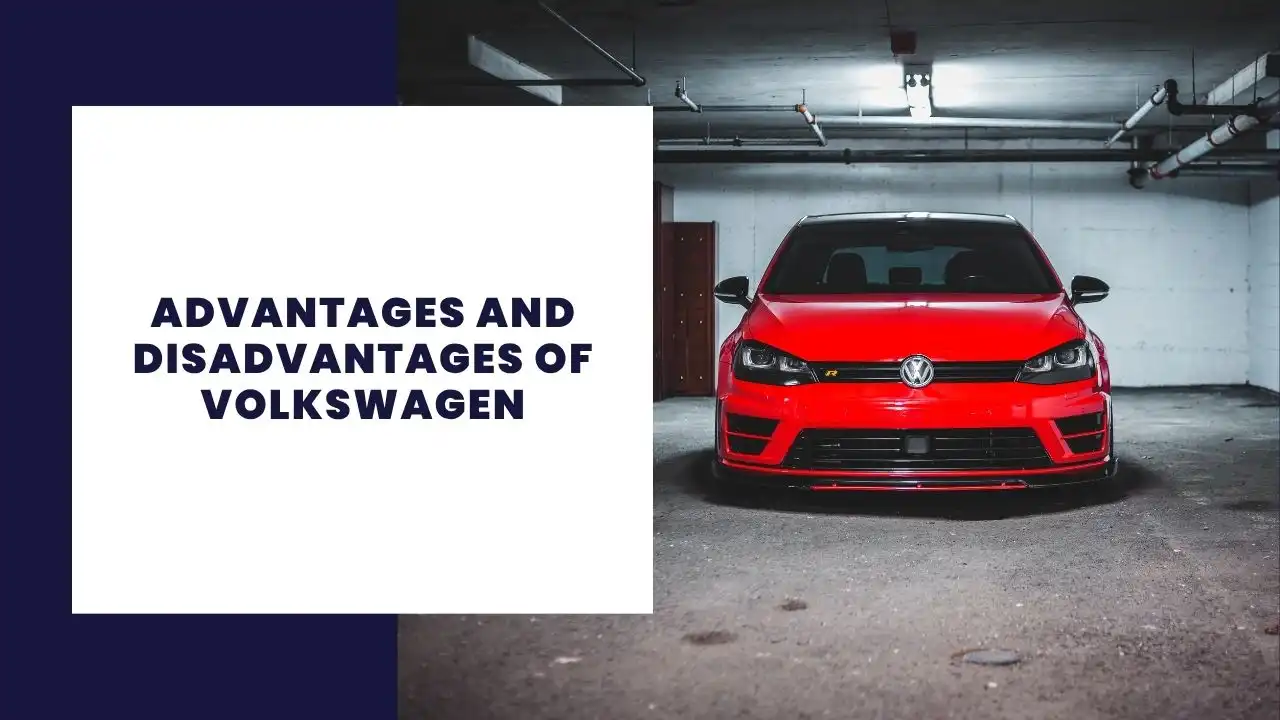
Volkswagen is one of the most recognizable automotive brands in the world, known for its rich history, German engineering, and wide range of vehicles. From compact cars to SUVs, Volkswagen has established itself as a significant player in the global automobile market. However, like any major automaker, Volkswagen comes with its own set of strengths and weaknesses. Understanding these can help potential buyers make informed decisions and enthusiasts appreciate the brand’s nuances.
What is Volkswagen?
Volkswagen, often abbreviated as VW, is a German automobile manufacturer headquartered in Wolfsburg, Germany. Founded in 1937, Volkswagen was initially created to produce affordable cars for the German population. Over the decades, it has grown into one of the largest car manufacturers globally, producing millions of vehicles annually and owning several other brands such as Audi, Porsche, and Lamborghini.
Volkswagen’s name translates to “People’s Car” in German, reflecting its original mission to offer reliable, affordable vehicles to the masses. The brand is known for models like the Golf, Passat, and Beetle, which have become iconic in automotive history. Volkswagen has also been at the forefront of innovation in automotive technology, including advancements in fuel efficiency, safety, and electric vehicles.
Advantages of Volkswagen
1. German Engineering and Build Quality
Volkswagen vehicles are renowned for their solid build quality and meticulous engineering. The brand emphasizes precision and durability, ensuring that its cars are not only stylish but also reliable. This reputation for quality engineering gives consumers confidence in the longevity and performance of Volkswagen models.
2. Wide Range of Models
Volkswagen offers a diverse lineup that caters to various customer needs. From compact hatchbacks like the Golf to family-friendly SUVs such as the Tiguan and electric models like the ID.4, Volkswagen covers a broad spectrum of automotive preferences. This variety allows customers to find a Volkswagen vehicle that fits their lifestyle and budget.
3. Advanced Technology and Features
Volkswagen integrates modern technology and safety features into its vehicles. Many models come equipped with advanced infotainment systems, driver assistance technologies, and connectivity options. These features enhance the driving experience by providing convenience, safety, and entertainment.
4. Strong Resale Value
Volkswagen vehicles tend to hold their value relatively well in the used car market. Thanks to their reputation for quality and desirability, VW models often experience less depreciation compared to some competitors. This makes them a smart financial choice for buyers concerned about long-term ownership costs.
5. Comfortable Ride and Handling
Volkswagen cars are praised for their comfortable interiors and smooth ride quality. The brand strikes a balance between sporty handling and everyday comfort, making its vehicles enjoyable to drive in various conditions, whether it’s city traffic or highway cruising.
6. Commitment to Sustainability and Electric Vehicles
Volkswagen has made significant strides in the electric vehicle (EV) market with its ID series. The company is investing heavily in sustainability, aiming to reduce emissions and develop a comprehensive lineup of electric and hybrid vehicles. This commitment positions Volkswagen as a forward-thinking brand in the evolving automotive landscape.
7. Strong Global Presence and Service Network
With a presence in almost every major market worldwide, Volkswagen benefits from a vast dealership and service network. This extensive infrastructure ensures that owners have access to maintenance, repairs, and support wherever they are, adding to the convenience of owning a VW.
Disadvantages of Volkswagen
1. Higher Maintenance and Repair Costs
While Volkswagen cars are well-engineered, their maintenance and repair costs can be higher compared to some mainstream brands. Specialized parts and labor associated with German engineering sometimes lead to more expensive servicing, which can be a consideration for budget-conscious buyers.
2. Past Diesel Emission Scandal
Volkswagen’s reputation took a significant hit due to the 2015 diesel emissions scandal, where the company was found to have manipulated emission tests. This event damaged consumer trust and resulted in costly legal penalties and recalls. Although the company has since worked to rebuild its image, the scandal remains a notable drawback.
3. Fuel Efficiency Variance Across Models
While Volkswagen offers fuel-efficient models, some of its larger vehicles and performance-oriented variants are less economical. Buyers seeking the most fuel-efficient options may find that some VW models lag behind competitors in terms of miles per gallon.
4. Interior Quality Variability
Although many Volkswagen models feature high-quality interiors, there can be inconsistencies depending on the trim level. Lower trims may use materials that feel less premium compared to rivals, which may disappoint customers expecting a uniformly upscale experience.
5. Infotainment System Learning Curve
Volkswagen’s infotainment systems are feature-rich but can sometimes be complicated to navigate. Users unfamiliar with the interface may experience a learning curve, which could detract from the overall user experience, especially in entry-level models.
6. Price Premium Over Some Competitors
Volkswagen vehicles often come with a higher price tag than comparable models from other mainstream brands. This premium reflects the engineering and brand reputation but may put VW out of reach for some buyers looking for more affordable options.
7. Limited Hybrid Options
While Volkswagen is expanding its electric vehicle offerings, its lineup of hybrid vehicles remains limited compared to some competitors. Buyers interested in hybrid technology may find fewer choices within the VW portfolio.
Comparison Table of the Pros and Cons of Volkswagen
| Advantages | Disadvantages |
|---|---|
| German engineering and build quality | Higher maintenance and repair costs |
| Wide range of models | Past diesel emission scandal |
| Advanced technology and features | Fuel efficiency variance across models |
| Strong resale value | Interior quality variability |
| Comfortable ride and handling | Infotainment system learning curve |
| Commitment to sustainability and EVs | Price premium over some competitors |
| Strong global presence and service network | Limited hybrid options |
The Future of Volkswagen
Volkswagen’s future is closely tied to its aggressive push into electrification and sustainability. The company has announced ambitious plans to become a leader in electric mobility, aiming to launch numerous electric models in the coming years. This transition includes significant investments in battery technology, charging infrastructure, and software development.
Moreover, Volkswagen is focusing on autonomous driving technologies and digital connectivity, seeking to transform the driving experience with smarter, safer, and more efficient vehicles. The brand’s commitment to innovation, combined with lessons learned from past challenges, shapes a promising future for Volkswagen as it adapts to a rapidly changing automotive industry.
FAQs About Volkswagen
1. Is Volkswagen a reliable car brand?
Volkswagen is generally considered reliable, particularly due to its German engineering and build quality. However, maintenance costs can be higher than average, so regular upkeep is essential.
2. What are some popular Volkswagen models?
Popular models include the Volkswagen Golf, Jetta, Passat, Tiguan, and the newer ID.4 electric SUV.
3. How does Volkswagen compare to other German brands?
Volkswagen is often seen as more affordable and accessible than premium German brands like BMW and Mercedes-Benz, while still offering solid engineering and quality.
4. Has Volkswagen improved after the diesel emissions scandal?
Yes, Volkswagen has made significant efforts to improve transparency, compliance, and sustainability since the scandal, focusing heavily on electric and hybrid vehicles.
5. Are Volkswagen electric vehicles worth considering?
Volkswagen’s electric vehicles, particularly the ID series, offer good range, modern features, and competitive pricing, making them a strong contender in the EV market.
Conclusion of Advantages and Disadvantages of Volkswagen
Volkswagen remains a powerful and influential automaker with a rich history and a diverse lineup of vehicles. Its strengths lie in German engineering, a wide range of models, advanced technology, and a growing commitment to sustainability. However, potential buyers should also consider the higher maintenance costs, the legacy of the diesel emissions scandal, and some variability in interior quality and fuel efficiency.
As Volkswagen moves toward an electrified future with innovative technologies and expanded EV offerings, it continues to balance tradition with modernization. Understanding both the advantages and disadvantages of Volkswagen vehicles helps consumers make well-rounded decisions aligned with their needs and preferences. Whether you prioritize engineering excellence, technological innovation, or environmental responsibility, Volkswagen offers compelling options, albeit with some trade-offs to consider.