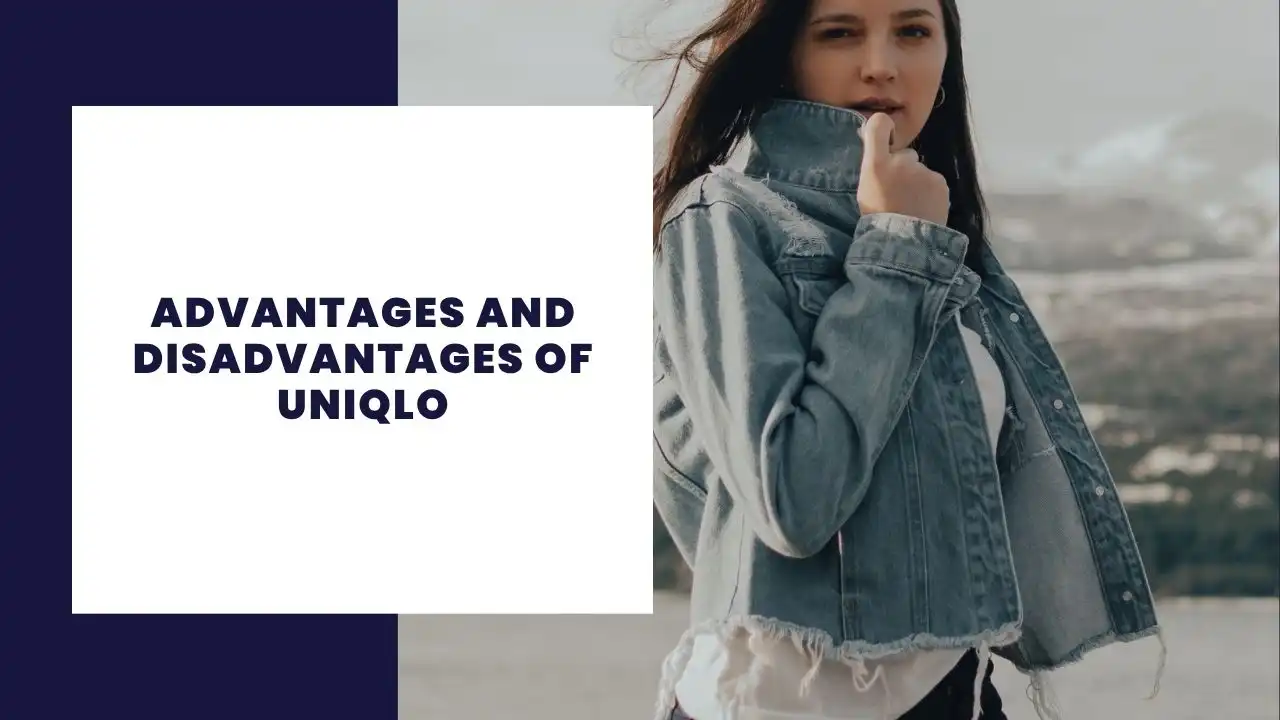
Uniqlo has become a prominent name in global fashion, known for its minimalist designs, quality fabrics, and affordable prices. As a brand that has expanded rapidly across continents, it offers a unique blend of style and functionality. Like any major retailer, Uniqlo comes with its own set of strengths and weaknesses that influence consumer choices and market positioning. This article delves into the key advantages and disadvantages of Uniqlo, providing a balanced perspective for shoppers and industry watchers alike.
What is Uniqlo?
Uniqlo is a Japanese casual wear designer, manufacturer, and retailer that has gained international recognition for its simple, high-quality clothing. Founded in 1949 as a textiles manufacturer, Uniqlo transformed into a retail giant with a focus on affordable basics and innovative fabric technology. The brand emphasizes functionality, comfort, and timeless style, catering to men, women, and children.
Uniqlo’s success is partly due to its unique approach to clothing, which merges Japanese minimalism with global fashion trends. It is well known for its signature products like Heattech, Ultra Light Down jackets, and AIRism fabrics. The company operates thousands of stores worldwide and has a strong online presence, making it accessible to a wide audience.
Advantages of Uniqlo
1. High-Quality Materials and Innovative Fabrics
Uniqlo invests heavily in fabric technology, creating materials that enhance comfort and durability. Their Heattech fabric, for example, provides warmth without bulk, while AIRism offers breathability and moisture-wicking properties. These innovations make Uniqlo’s products stand out in the affordable fashion segment.
2. Affordable Pricing
Compared to many other global brands, Uniqlo offers high-quality clothing at relatively low prices. This balance between cost and quality appeals to budget-conscious consumers who do not want to sacrifice durability or style.
3. Timeless and Minimalist Design
Uniqlo’s design philosophy centers on simplicity and versatility. Their clothing is designed to be functional and easy to mix and match, which appeals to people seeking a minimalist wardrobe. This timeless aesthetic helps customers avoid fast-fashion trends that quickly go out of style.
4. Wide Range of Sizes
Uniqlo caters to a diverse customer base by offering an extensive range of sizes. This inclusivity ensures that many people, regardless of body type, can find clothing that fits well.
5. Strong Global Presence
With stores in key cities worldwide, Uniqlo is accessible to a broad audience. Their international expansion has allowed them to adapt to various markets while maintaining brand consistency.
6. Sustainable Initiatives
Uniqlo has taken steps toward sustainability by introducing recycling programs and improving supply chain transparency. Their commitment to reducing waste and using sustainable materials is a positive move in an industry often criticized for environmental impact.
7. Efficient Supply Chain and Inventory Management
Uniqlo’s parent company, Fast Retailing, utilizes advanced supply chain technologies to manage inventory efficiently. This approach reduces overproduction and allows for quick responses to consumer demand.
Disadvantages of Uniqlo
1. Limited Fashion-forward Options
While Uniqlo excels in basics, it lacks trend-driven or fashion-forward pieces. Customers looking for bold or statement fashion items may find Uniqlo’s offerings too conservative or plain.
2. Fit Issues for Certain Body Types
Despite a wide size range, some customers report that Uniqlo’s standard cuts do not accommodate all body shapes equally well, particularly for those who need more tailored or curvy fits.
3. Ethical Concerns in Supply Chain
Although Uniqlo has made progress in sustainability, there have been past criticisms related to labor practices in its supply chain. Transparency is improving, but some consumers remain cautious.
4. Quality Inconsistency Across Product Lines
Not every product from Uniqlo maintains the same level of quality. Some items, especially lower-cost basics, may wear out faster than expected, which can impact customer satisfaction.
5. Limited Physical Store Experience
Uniqlo stores focus heavily on efficiency and minimalism, which can sometimes feel impersonal. Customers who prefer a more engaging or luxurious shopping experience might find the store atmosphere lacking.
6. Dependence on Asian Markets
While Uniqlo is growing globally, it remains heavily dependent on Asian markets, particularly Japan and China. This concentration can pose risks if those markets experience economic downturns or regulatory challenges.
7. Online Shopping Limitations
Despite improvements, Uniqlo’s online platform occasionally faces issues with inventory accuracy and shipping delays. This can frustrate customers who prefer digital shopping.
Comparison Table of the Pros and Cons of Uniqlo
| Advantages | Disadvantages |
|---|---|
| High-quality and innovative fabrics | Limited fashion-forward options |
| Affordable pricing | Fit issues for some body types |
| Timeless and minimalist design | Ethical concerns in supply chain |
| Wide range of sizes | Quality inconsistency in products |
| Strong global presence | Limited physical store experience |
| Sustainable initiatives | Dependence on Asian markets |
| Efficient supply chain | Online shopping limitations |
The Future of Uniqlo
Looking ahead, Uniqlo aims to deepen its commitment to sustainability and innovation. The brand is investing in new fabric technologies and expanding its eco-friendly product lines. Additionally, Uniqlo plans to grow its presence in emerging markets beyond Asia, such as Europe and North America. The company is also exploring digital transformation to enhance customer engagement both online and in-store.
As consumer preferences shift toward ethical consumption and personalized shopping experiences, Uniqlo faces the challenge of balancing its minimalist identity with evolving demands. The future will likely see Uniqlo continuing to refine its product offerings, improve supply chain transparency, and explore collaborations that bring fresh designs while maintaining its core values.
FAQs About Uniqlo
Q1: Is Uniqlo considered a fast-fashion brand?
Uniqlo is often categorized differently from typical fast-fashion retailers because it focuses on quality basics and durability rather than rapidly changing trends. However, it does operate on a fast production cycle to replenish popular items.
Q2: Are Uniqlo’s clothes true to size?
Generally, Uniqlo’s sizing is consistent, but fit can vary by product and region. It’s recommended to check sizing charts and reviews, especially for international customers.
Q3: Does Uniqlo offer sustainable clothing?
Yes, Uniqlo has introduced sustainable collections and encourages customers to recycle used clothes. The company is working to improve its environmental impact across the supply chain.
Q4: Where are Uniqlo clothes made?
Uniqlo sources products from several countries, including China, Vietnam, Bangladesh, and others. The company is transparent about its factories and works to improve labor conditions.
Q5: Can I return Uniqlo items purchased online?
Yes, Uniqlo has a return policy for online purchases, allowing customers to return or exchange items within a specified period, usually with proof of purchase.
Conclusion of Advantages and Disadvantages of Uniqlo
Uniqlo offers a compelling mix of quality, affordability, and minimalist design, making it a go-to brand for many consumers seeking reliable everyday clothing. Its innovative fabric technologies and sustainable initiatives further enhance its appeal. However, limitations such as a lack of fashion-forward options, occasional fit issues, and concerns about supply chain ethics present challenges that the brand continues to address.
For shoppers who prioritize timeless basics and functional apparel, Uniqlo remains a strong contender. Meanwhile, those seeking trend-driven styles or a more personalized shopping experience might need to explore other options. Understanding both the advantages and disadvantages of Uniqlo helps consumers make informed choices aligned with their preferences and values.