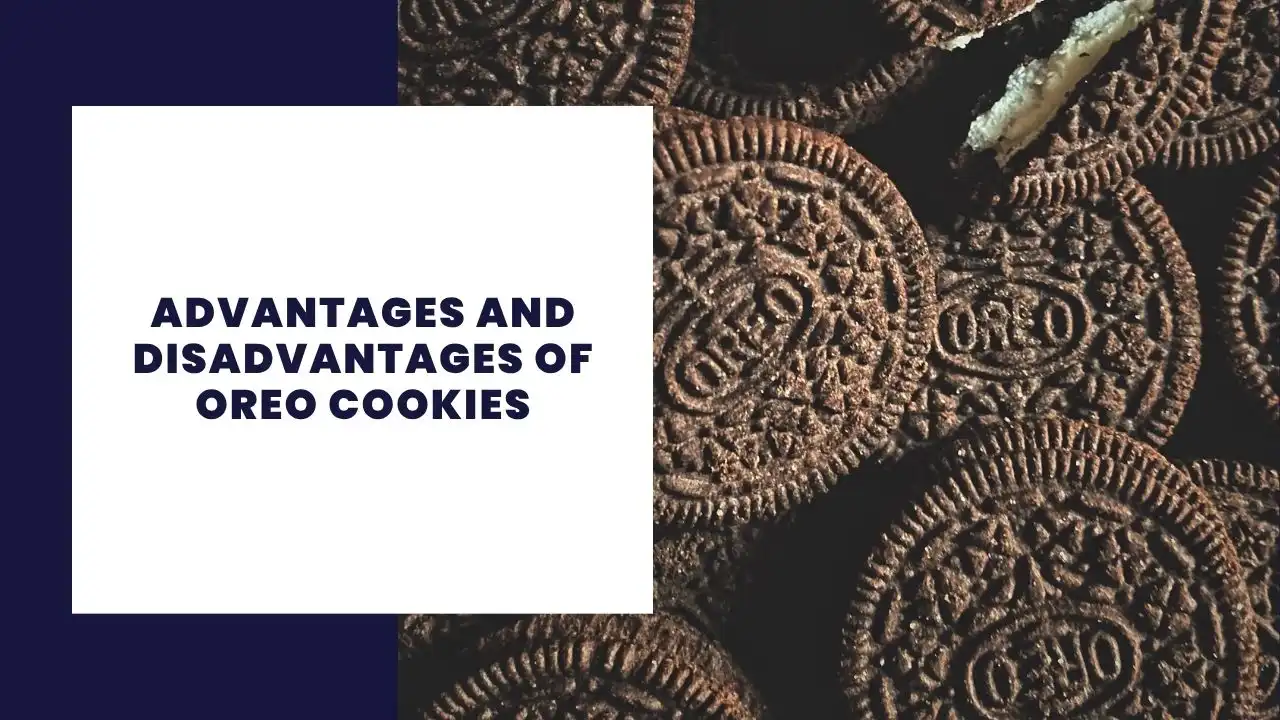
Oreo is one of the most iconic and beloved cookie brands worldwide, known for its distinctive sandwich cookie design with a creamy filling. Since its introduction in the early 20th century, Oreo has become a staple snack enjoyed by people of all ages. However, like any popular product, Oreo comes with its own set of advantages and disadvantages that affect consumer choices, health considerations, and market dynamics. Understanding these factors can provide a clearer perspective on why Oreo remains a favorite yet also faces criticism.
What is Oreo?
Oreo is a sandwich cookie consisting of two chocolate wafers with a sweet, white crème filling in between. First introduced by the National Biscuit Company (now Nabisco) in 1912, Oreo has grown into a global brand with numerous flavor variations and product extensions. The classic Oreo cookie has a distinctive taste and texture that combines crunchy chocolate cookies with smooth, sweet filling. Over time, Oreo has expanded its product line to include different sizes, flavors, and even Oreo-based desserts and snacks.
The brand has become synonymous with indulgence and is often associated with moments of enjoyment, whether eaten alone, with milk, or as part of recipes. Oreo’s marketing campaigns have also contributed to its widespread popularity, creating a strong emotional connection with consumers around the world.
Advantages of Oreo
1. Widely Recognized and Popular Brand
Oreo’s global recognition is one of its strongest advantages. The brand’s widespread availability across supermarkets, convenience stores, and online platforms makes it accessible to millions of consumers. Its popularity also means that it is often the go-to cookie for many households, parties, and social gatherings.
2. Versatile Flavor Options
While the classic Oreo remains the most popular, the brand offers a wide variety of flavors to cater to different tastes. From mint and peanut butter to seasonal and limited-edition flavors, Oreo provides options that keep consumers interested and engaged.
3. Affordable Price Point
Oreo is generally affordable and offers good value for the price. This accessibility helps maintain its popularity among a broad demographic, including children, teenagers, and adults.
4. Convenient Packaging
Oreo cookies come in packaging that is easy to open, resealable in some cases, and portable. This convenience appeals to consumers who want a quick snack on the go or a treat they can share.
5. Iconic Taste and Texture
The combination of crunchy chocolate wafers and creamy filling creates a unique sensory experience. This texture and flavor balance has helped Oreo maintain loyal customers for over a century.
6. Positive Emotional Connection
Oreo’s marketing campaigns often evoke feelings of nostalgia and happiness. This emotional bond encourages repeat purchases and brand loyalty.
7. Culinary Versatility
Oreo is not just a snack but also an ingredient in many recipes, from milkshakes and cakes to ice cream toppings. This versatility enhances its appeal beyond just being a cookie.
Disadvantages of Oreo
1. High Sugar Content
One of the main health concerns associated with Oreo cookies is their high sugar content. Excessive sugar intake can contribute to various health issues such as obesity, diabetes, and dental problems, making Oreo less suitable for health-conscious consumers.
2. Contains Artificial Ingredients
Oreo cookies contain artificial flavors, preservatives, and other additives that some consumers prefer to avoid. This can be a drawback for those seeking more natural or organic snack options.
3. Not Suitable for Certain Dietary Restrictions
Oreo cookies are not vegan or gluten-free, which limits their consumption among people with dietary restrictions or allergies. Although some variations may cater to these needs, the classic Oreo does not.
4. Calorie Dense Snack
Due to the combination of sugar, fat, and refined flour, Oreo is calorie-dense. Consuming it in large quantities can contribute to weight gain if not balanced with physical activity.
5. Environmental Concerns
Like many packaged snacks, Oreo production and packaging contribute to environmental impacts, including plastic waste and carbon emissions. Consumers increasingly aware of sustainability may view this negatively.
6. Can Promote Overconsumption
The addictive taste and convenient packaging can encourage overeating, which may lead to unhealthy eating habits over time.
7. Limited Nutritional Value
Oreo cookies offer minimal nutritional benefits. They lack essential vitamins, minerals, or fiber, making them a less nutritious choice compared to other snacks like fruits or nuts.
Comparison Table of the Pros and Cons of Oreo
| Advantages | Disadvantages |
|---|---|
| Widely recognized brand | High sugar content |
| Variety of flavor options | Contains artificial ingredients |
| Affordable price | Not suitable for some diets |
| Convenient packaging | Calorie dense |
| Iconic taste and texture | Environmental concerns |
| Positive emotional connection | Can promote overconsumption |
| Culinary versatility | Limited nutritional value |
The Future of Oreo
The future of Oreo looks promising as the brand continues to innovate and adapt to changing consumer preferences. Efforts to introduce healthier versions, such as reduced sugar or organic Oreos, are gaining traction. Additionally, Oreo is expanding its product line with new flavors and collaborations to maintain relevance in a highly competitive snack market.
Sustainability is also becoming a focus, with the brand exploring eco-friendly packaging solutions and more responsible sourcing of ingredients. Digital marketing and social media engagement remain key strategies to connect with younger consumers and keep the brand culturally relevant.
Overall, Oreo is likely to remain a dominant player in the cookie market by balancing tradition with innovation and responding to consumer demands for health and sustainability.
FAQs About Oreo
Q1: Are Oreos vegan?
Classic Oreos do not contain animal-derived ingredients, making them technically vegan. However, they are produced in facilities that handle dairy, so strict vegans may avoid them due to cross-contamination concerns.
Q2: How many calories are in an Oreo cookie?
A single Oreo cookie typically contains around 53 calories, but this can vary slightly based on size and variety.
Q3: Does Oreo contain gluten?
Yes, the classic Oreo cookie contains wheat flour, which means it is not gluten-free.
Q4: Are there any sugar-free Oreo options?
There have been limited editions of sugar-free Oreos, but they are not widely available. Most Oreo varieties contain sugar.
Q5: Can Oreo cookies be frozen?
Yes, Oreos can be frozen to extend their shelf life, but freezing may slightly change the texture of the cookie and filling.
Conclusion of Advantages and Disadvantages of Oreo
Oreo remains an enduring favorite due to its recognizable brand, delicious taste, and versatile use in snacks and recipes. Its affordability and wide availability further contribute to its global popularity. However, health concerns related to sugar, calories, and artificial ingredients, along with environmental impacts, are notable disadvantages that consumers should consider.
As Oreo continues to evolve, balancing its iconic appeal with healthier and more sustainable options will be essential for maintaining its place in the market. Understanding both the advantages and disadvantages helps consumers make informed decisions about including Oreo in their diets and lifestyles.