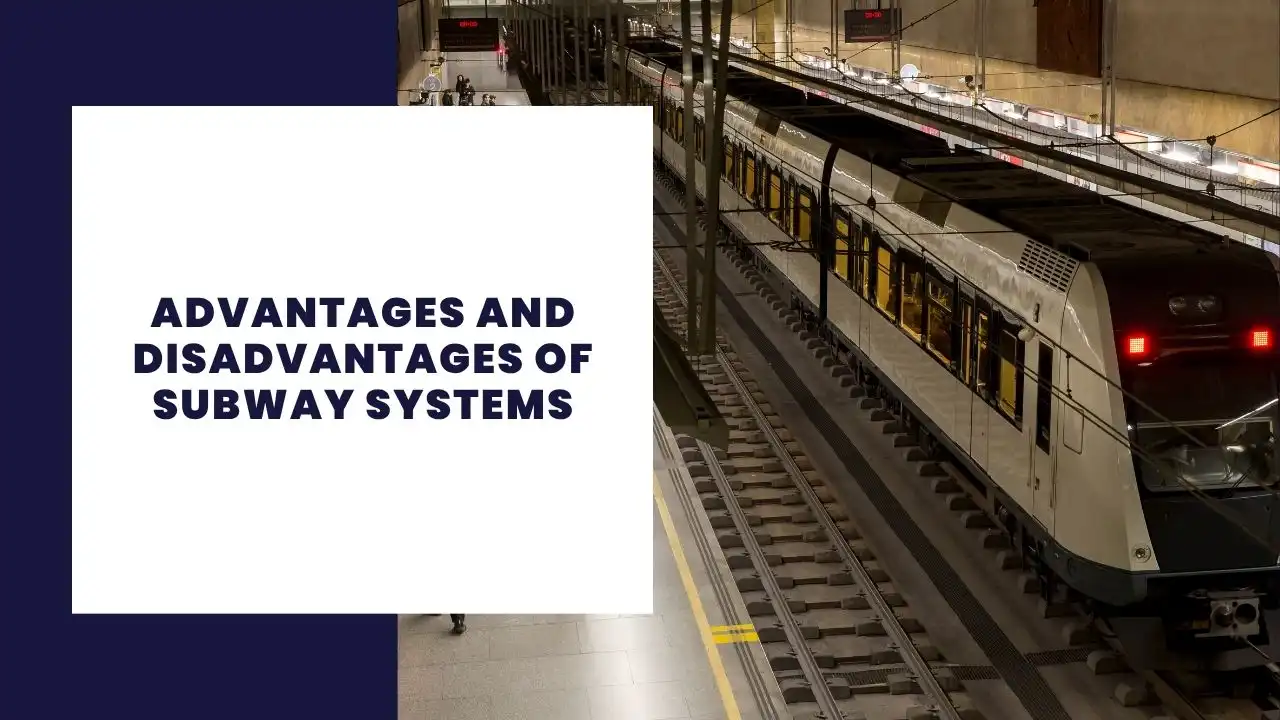
Subways have become a vital part of urban transportation systems worldwide. Offering an alternative to road traffic and often providing a fast and efficient means of travel, subways impact daily life, city planning, and the environment significantly. While many cities rely heavily on subway networks, it is important to understand both the benefits and drawbacks of this mode of transport. This article delves into the key advantages and disadvantages of subways, providing a comprehensive overview for commuters, city planners, and anyone interested in urban transit systems.
What is Subway?
A subway, also known as an underground, metro, or rapid transit system, is a form of public transportation that operates on an electrified rail system beneath the surface of a city. Subways typically run on exclusive tracks, separate from other vehicles, allowing for faster and more reliable travel compared to surface transportation. These systems are designed to carry large numbers of passengers efficiently within metropolitan areas, connecting residential neighborhoods with commercial and industrial zones.
Subways usually consist of multiple cars running on fixed schedules, stopping at designated stations. They are a cornerstone of public transit in many major cities, helping to reduce traffic congestion, lower pollution, and provide affordable mobility options for residents and visitors alike.
Advantages of Subway
1. Efficient Mass Transit
Subways can transport a large number of passengers simultaneously, making them an extremely efficient way to move people across densely populated urban areas. Unlike buses or cars, subways operate on dedicated tracks, which means they are less likely to experience delays caused by traffic congestion.
This efficiency helps reduce travel times and makes it possible for more people to commute quickly during peak hours, alleviating pressure on other forms of transportation.
2. Environmentally Friendly
Compared to private vehicles and even buses, subways produce significantly lower emissions per passenger mile. Because they are powered by electricity, especially when sourced from renewable energy, subways contribute less to air pollution and greenhouse gas emissions.
This makes subways a more sustainable transportation option, helping cities reduce their carbon footprint and improve air quality.
3. Reduced Surface Traffic Congestion
By moving a substantial portion of commuters underground, subways help to ease traffic congestion on city streets. This can lead to faster travel times for surface vehicles, including emergency services, and reduce the wear and tear on road infrastructure.
As a result, cities with robust subway systems often see smoother traffic flow and less gridlock.
4. Reliability and Punctuality
Subways generally operate on strict schedules with frequent service intervals. Because they run on dedicated tracks free from interference by road traffic, delays are less common compared to buses or trams.
This reliability makes subways a dependable choice for daily commuters who need to arrive at their destinations on time.
5. Cost-Effective for Commuters
Once established, subway systems often provide affordable fares that make daily commuting accessible to a broad segment of the population. Many systems offer discounted passes for frequent riders, students, and seniors, helping reduce transportation costs.
This affordability supports economic inclusivity and enables more people to participate fully in urban life.
6. Safety
Subways tend to have a lower accident rate compared to road transport. The controlled environment, professional operation, and surveillance systems contribute to passenger safety.
Furthermore, many subway stations and trains are equipped with emergency communication devices and security personnel to ensure passenger well-being.
7. Encourages Urban Development
Subways can stimulate economic growth and urban development around their stations. Areas near subway stops often see increased property values, new businesses, and improved infrastructure.
This transit-oriented development helps create vibrant neighborhoods and supports sustainable city growth.
Disadvantages of Subway
1. High Construction and Maintenance Costs
Building subway systems requires massive upfront investments in tunnels, tracks, stations, and rolling stock. The construction process can be complex, lengthy, and expensive, especially in densely built or geologically challenging areas.
Ongoing maintenance and upgrades also require significant funding, which can strain municipal budgets.
2. Limited Coverage
Subways typically serve major corridors and densely populated areas but may not extend to suburban or less populated regions. This limited coverage can leave some residents reliant on less efficient or more expensive modes of transport.
As a result, subways alone cannot solve all urban mobility challenges without integration with other transit options.
3. Disruptive Construction Process
The construction of subway lines often causes significant disruption to city life. Road closures, noise, dust, and detours can affect businesses, residents, and traffic patterns for years during the building phase.
This disruption can generate public opposition and complicate project timelines.
4. Overcrowding
During peak hours, subway trains and stations can become extremely crowded, leading to discomfort and longer boarding times. Overcrowding may also raise safety concerns and reduce the overall passenger experience.
Managing capacity and expanding service frequency are ongoing challenges for subway operators.
5. Vulnerability to Service Interruptions
Although subways are generally reliable, they can be vulnerable to technical failures, power outages, or security incidents. When disruptions occur, they can affect large numbers of passengers and cause significant delays.
Emergency response and contingency planning are critical to minimizing the impact of such incidents.
6. Accessibility Issues
While many subway systems have improved accessibility, some older stations still lack adequate facilities for people with disabilities, such as elevators or ramps. This can limit mobility for certain groups and reduce the inclusiveness of the transit system.
Upgrading infrastructure to meet modern accessibility standards can be costly and time-consuming.
7. Security Concerns
Subway systems can be targets for criminal activity or terrorism due to their high passenger volumes and enclosed environments. Ensuring passenger safety requires constant vigilance, surveillance, and security measures.
Balancing security with passenger convenience remains a challenge for transit authorities.
Comparison Table of the Pros and Cons of Subway
| Advantages | Disadvantages |
|---|---|
| Efficient mass transit | High construction and maintenance costs |
| Environmentally friendly | Limited coverage |
| Reduced surface traffic congestion | Disruptive construction process |
| Reliability and punctuality | Overcrowding |
| Cost-effective for commuters | Vulnerability to service interruptions |
| Safety | Accessibility issues |
| Encourages urban development | Security concerns |
The Future of Subway
The future of subway systems is closely tied to advancements in technology, urban development, and environmental policies. Innovations such as automated trains, real-time passenger information systems, and energy-efficient designs are transforming subway operations.
Cities are also focusing on integrating subways with other modes of transport, including buses, bike-sharing, and electric scooters, to create seamless multimodal networks. Additionally, expanding subway coverage to underserved areas and improving accessibility remain key priorities.
Sustainability will continue to shape the future of subways, with efforts to power trains using renewable energy and reduce the carbon footprint of construction projects. As urban populations grow, subways will play a crucial role in creating livable, connected cities.
FAQs About Subway
Q1: How do subways compare to buses in terms of speed?
Subways generally offer faster travel times because they operate on dedicated tracks free from surface traffic congestion, whereas buses share road space with other vehicles.
Q2: Are subways more environmentally friendly than cars?
Yes, subways typically produce fewer emissions per passenger mile, especially when powered by clean electricity, making them a greener alternative to private car travel.
Q3: What are common challenges faced during subway construction?
Challenges include high costs, geological difficulties, disruption to city life, and the complexity of integrating new lines with existing infrastructure.
Q4: How do subway systems ensure passenger safety?
Safety is maintained through surveillance cameras, emergency communication systems, security personnel, regular maintenance, and strict operational protocols.
Q5: Can subways operate 24/7?
Most subway systems do not operate around the clock but run for extended hours, often closing late at night for maintenance. Some cities are exploring or implementing 24-hour service on select lines.
Conclusion of Advantages and Disadvantages of Subway
Subways offer a compelling solution to many urban transportation challenges, providing efficient, reliable, and environmentally friendly transit for millions of people. Their ability to reduce road congestion, encourage economic development, and offer affordable mobility makes them an essential component of modern cities. However, the high costs of construction and maintenance, limited coverage areas, and issues such as overcrowding and security concerns cannot be overlooked.
Understanding these advantages and disadvantages helps policymakers, planners, and the public make informed decisions about investing in and utilizing subway systems. As technology and urban needs evolve, subways will continue to adapt, striving to balance their benefits against the challenges they face.