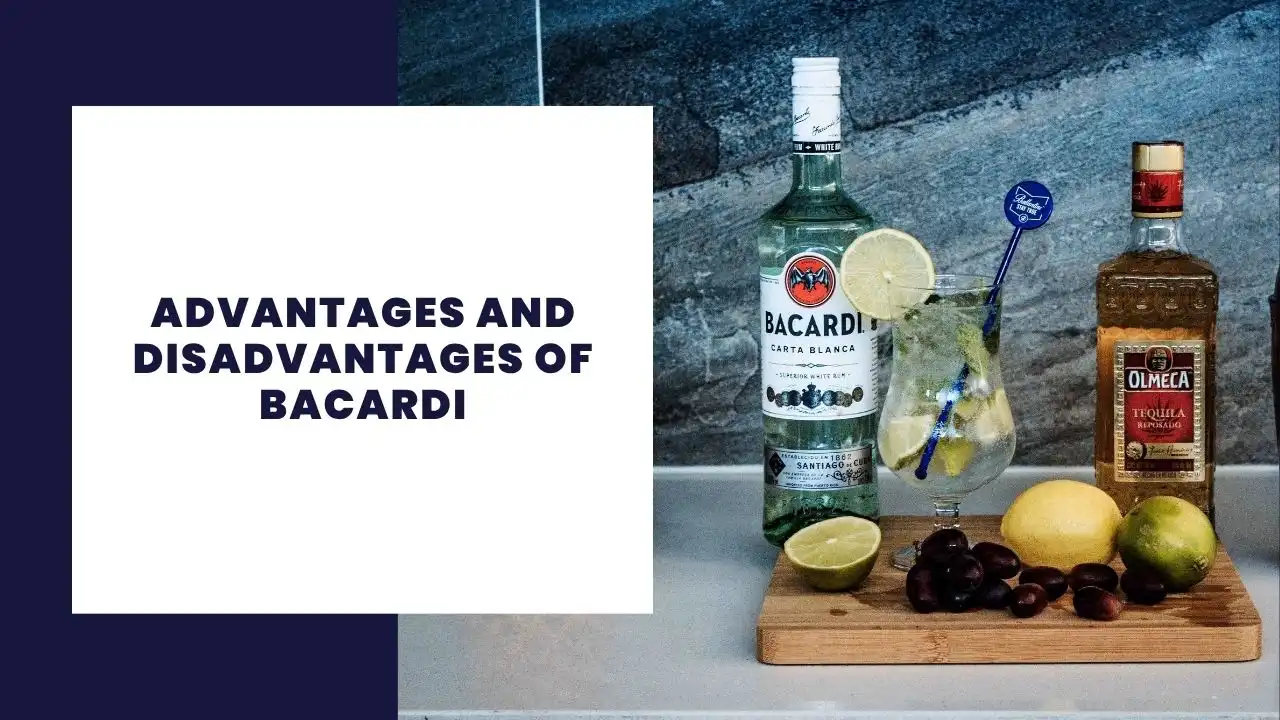
Bacardi is one of the most recognizable names in the world of spirits, known primarily for its rum products. With a rich history spanning over 150 years, Bacardi has established itself as a global brand synonymous with quality and tradition. However, like any brand or product, Bacardi has its own set of strengths and weaknesses that influence its market position and consumer perception. Understanding these advantages and disadvantages can help consumers and industry enthusiasts make informed decisions about choosing Bacardi products.
What is Bacardi?
Bacardi Limited is a privately held spirits company founded in 1862 in Santiago de Cuba by Don Facundo Bacardi Massó. It started as a small rum distillery and has grown into the largest privately held spirits company in the world. Bacardi produces a wide range of alcoholic beverages, but it is best known for its rum, which is crafted using a blend of pot still and column still rums, aged in oak barrels to develop its distinctive flavor.
The company’s portfolio includes not only Bacardi rum but also other popular brands such as Grey Goose vodka, Dewar’s Scotch whisky, and Martini vermouth. Bacardi’s products are sold in more than 170 countries, making it a household name in many parts of the world. The brand is also associated with vibrant marketing campaigns and sponsorships in music and sports, enhancing its global appeal.
Advantages of Bacardi
1. Rich Heritage and Brand Legacy
Bacardi’s long history and heritage contribute significantly to its brand value. Founded in the 19th century, the company has built a legacy of quality and craftsmanship that resonates with consumers. This rich heritage instills trust and loyalty among its customers, positioning Bacardi as a premium choice in the spirits market.
2. Wide Product Range
One of Bacardi’s strengths is its extensive product portfolio. While rum remains its flagship product, Bacardi also offers other spirits under its umbrella. This diversification allows Bacardi to cater to a broader audience and adapt to changing consumer preferences across different markets.
3. Global Distribution Network
Bacardi boasts an impressive global distribution system, ensuring its products are widely available. Its presence in over 170 countries allows it to maintain a strong market share internationally, making it accessible to a diverse group of consumers.
4. Consistent Product Quality
Bacardi maintains stringent quality control measures throughout its production process. The company’s commitment to quality ensures that consumers receive a consistent product experience, which is crucial for brand loyalty and repeat purchases.
5. Innovative Marketing Strategies
Bacardi is known for its creative and engaging marketing campaigns. By associating itself with music festivals, sporting events, and cultural celebrations, Bacardi keeps its brand relevant and appealing to younger demographics.
6. Sustainable Practices
In recent years, Bacardi has made strides toward sustainability, implementing environmentally friendly practices in production and packaging. This commitment appeals to eco-conscious consumers and helps the brand align with global sustainability trends.
7. Strong Brand Recognition
The Bacardi bat logo is one of the most recognizable symbols in the spirits industry. Strong brand recognition helps Bacardi maintain its market position and attracts new customers who associate the brand with quality and tradition.
Disadvantages of Bacardi
1. Premium Pricing
Bacardi’s positioning as a premium brand often comes with higher price points compared to some competitors. This can make it less accessible to budget-conscious consumers and limit its appeal in price-sensitive markets.
2. Limited Innovation in Product Flavors
While Bacardi has a wide product range, some critics argue that the brand has been slow to innovate in terms of unique or experimental flavors. This lack of variety may cause some consumers to turn to newer brands offering more adventurous options.
3. Dependence on Rum Sales
Despite its diversification, Bacardi’s core revenue still heavily depends on rum products. This reliance makes the company vulnerable to fluctuations in rum demand or changes in consumer tastes away from rum.
4. Competition from Craft Distilleries
The rise of craft distilleries offering artisanal and small-batch spirits poses a challenge to Bacardi. These competitors often attract consumers looking for unique, locally produced products, which can detract from Bacardi’s market share.
5. Perception of Being Mainstream
Although Bacardi benefits from strong brand recognition, some consumers perceive it as a mainstream or mass-market brand rather than a premium or luxury spirit. This perception can limit its appeal among connoisseurs seeking exclusivity.
6. Environmental Impact Concerns
Despite efforts toward sustainability, Bacardi’s large-scale production still raises concerns about environmental impact, including water usage and carbon emissions. These concerns may influence eco-conscious buyers.
7. Regulatory Challenges
Operating in numerous countries exposes Bacardi to varying regulations concerning alcohol production, marketing, and sales. Navigating these complex regulatory environments can be costly and may limit Bacardi’s flexibility in some markets.
Comparison Table of the Pros and Cons of Bacardi
| Advantages | Disadvantages |
|---|---|
| Rich heritage and brand legacy | Premium pricing |
| Wide product range | Limited innovation in flavors |
| Global distribution network | Dependence on rum sales |
| Consistent product quality | Competition from craft distilleries |
| Innovative marketing strategies | Perception of being mainstream |
| Sustainable practices | Environmental impact concerns |
| Strong brand recognition | Regulatory challenges |
The Future of Bacardi
Bacardi’s future appears promising, as the company continues to expand its global footprint and adapt to evolving consumer trends. Innovation in product development, especially in low-alcohol and flavored spirits, may become a focus to attract health-conscious and younger consumers. Additionally, Bacardi’s commitment to sustainability is expected to deepen, with more initiatives aimed at reducing environmental impact.
The brand’s investment in digital marketing and e-commerce channels will also play a critical role in maintaining relevance in a rapidly changing marketplace. While competition from craft distillers and emerging brands remains a challenge, Bacardi’s strong foundation and ability to leverage its heritage provide it with a solid platform for continued growth.
FAQs About Bacardi
1. Is Bacardi only a rum producer?
No, while Bacardi is best known for its rum, the company also owns and produces other spirits like vodka, whisky, and vermouth.
2. Where is Bacardi rum made?
Bacardi rum is primarily produced in Puerto Rico, although the company has distilleries in various locations worldwide.
3. Does Bacardi produce flavored rums?
Yes, Bacardi offers a variety of flavored rums including coconut, lime, and pineapple, catering to diverse consumer tastes.
4. Is Bacardi considered a premium brand?
Bacardi positions itself as a premium brand, but it is often viewed as accessible and mainstream compared to ultra-premium or craft spirits.
5. How does Bacardi address sustainability?
Bacardi has implemented several sustainability initiatives, such as reducing water and energy use, sustainable packaging, and supporting environmental projects.
Conclusion of Advantages and Disadvantages of Bacardi
Bacardi stands as a formidable player in the global spirits industry, backed by a rich heritage, broad product range, and strong brand recognition. Its advantages lie in its consistent quality, innovative marketing, and commitment to sustainability, which help it maintain a loyal consumer base and expand into new markets. However, challenges such as premium pricing, competition from craft distilleries, and regulatory complexities cannot be overlooked.
Balancing these advantages and disadvantages will be crucial for Bacardi as it navigates the future of the spirits industry. By continuing to innovate and adapt, Bacardi can sustain its legacy while meeting the demands of a changing consumer landscape.